Paramedic and Emergency Care Training School
Nkenkaaso, Ashanti Region, GhanaThe Paramedic and Emergency Care Training School (PECTS) stands as a landmark institution in the landscape of emergency medical education across West Africa. Established in 2013 under the auspices of the National Ambulance Service of Ghana, PECTS is strategically located in Nkenkaaso in the Ashanti Region — holding the distinction of being the first school of its kind in the entire West African sub-region.
Since its founding, PECTS has successfully trained over 3,000 emergency medical personnel, contributing immensely to the professionalization and expansion of pre-hospital care capacity in Ghana and the wider region. The school operates on a recruitment basis, ensuring a structured and standardised pipeline of skilled emergency responders into the National Ambulance Service.

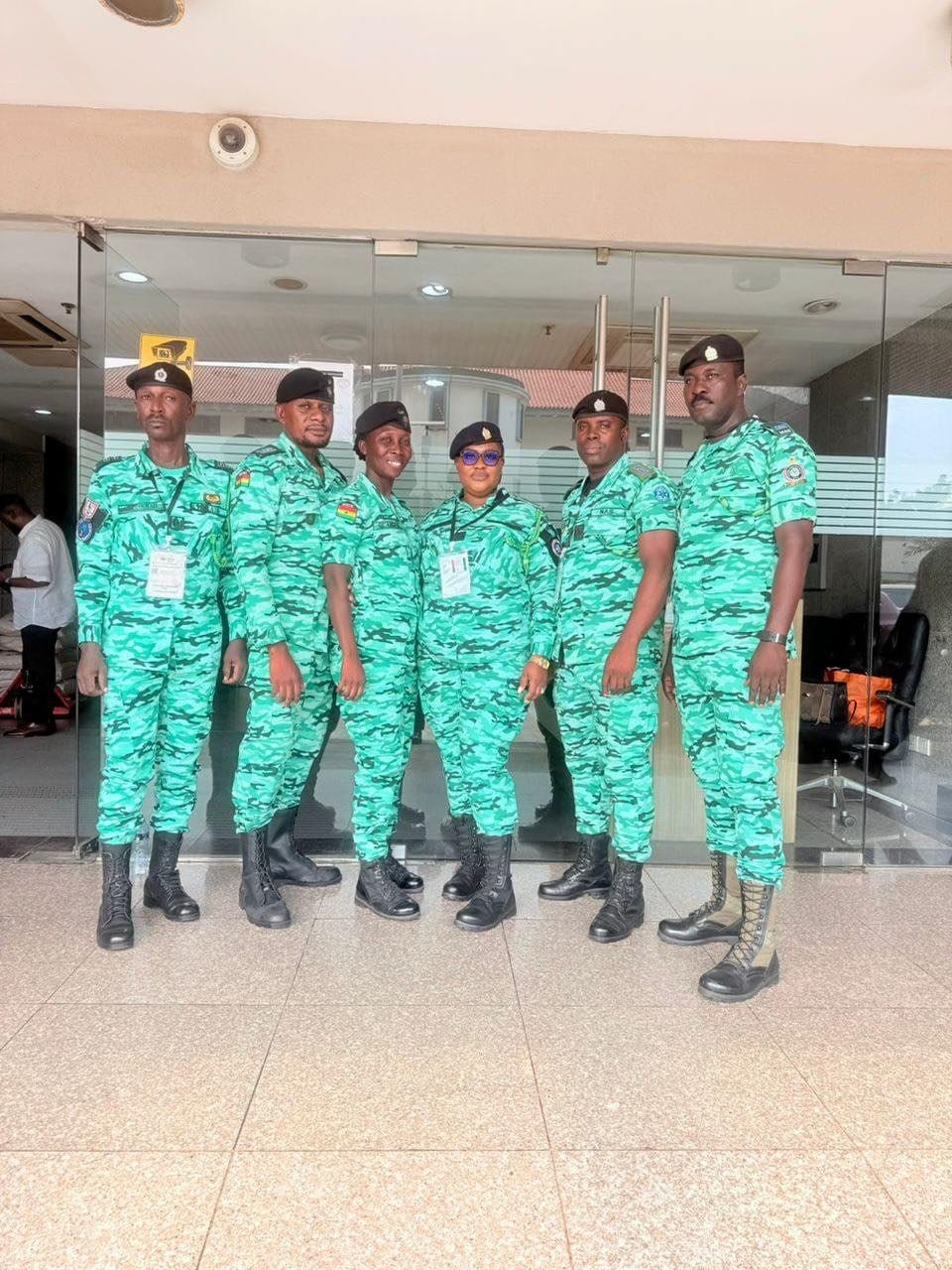
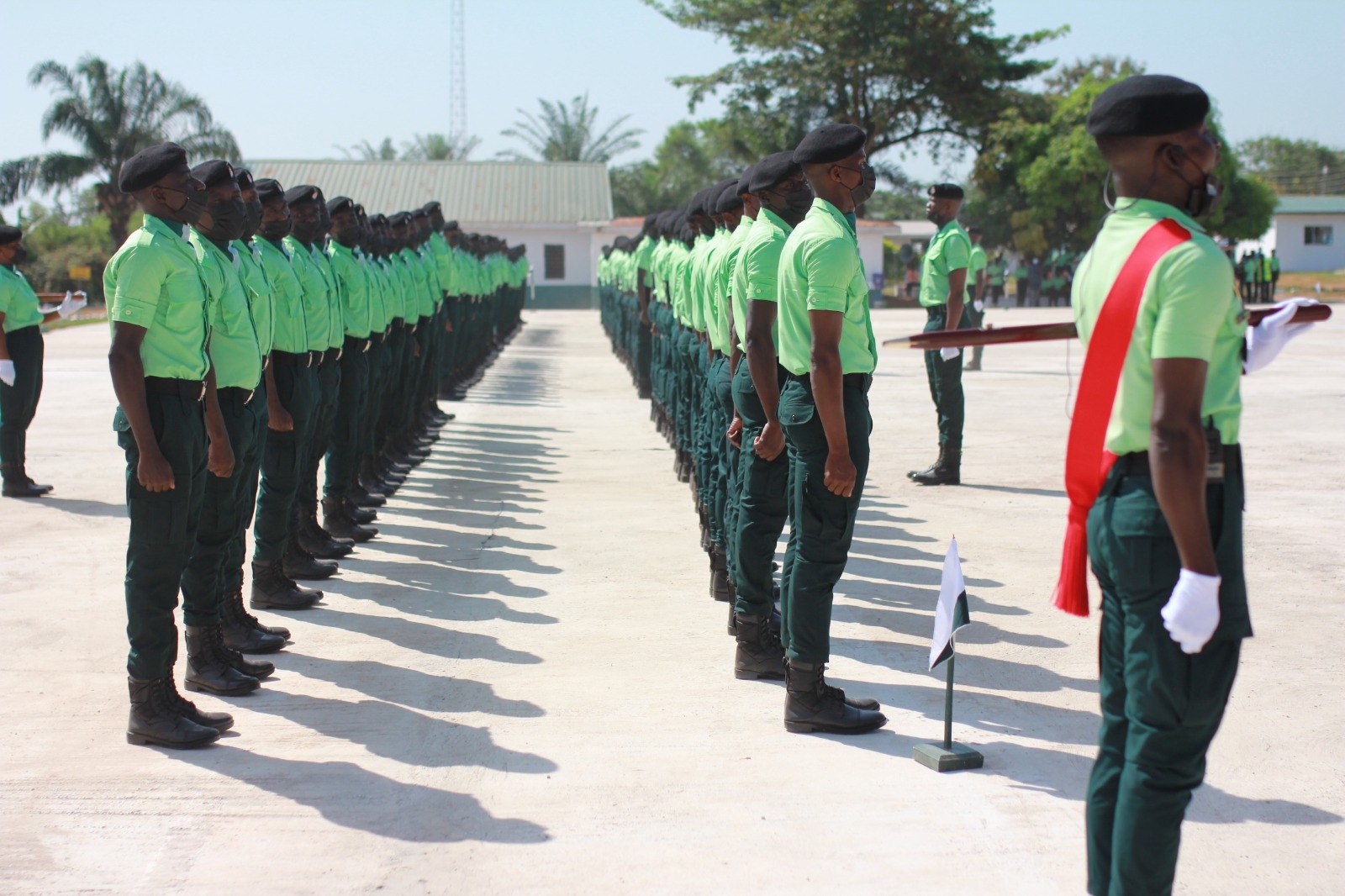
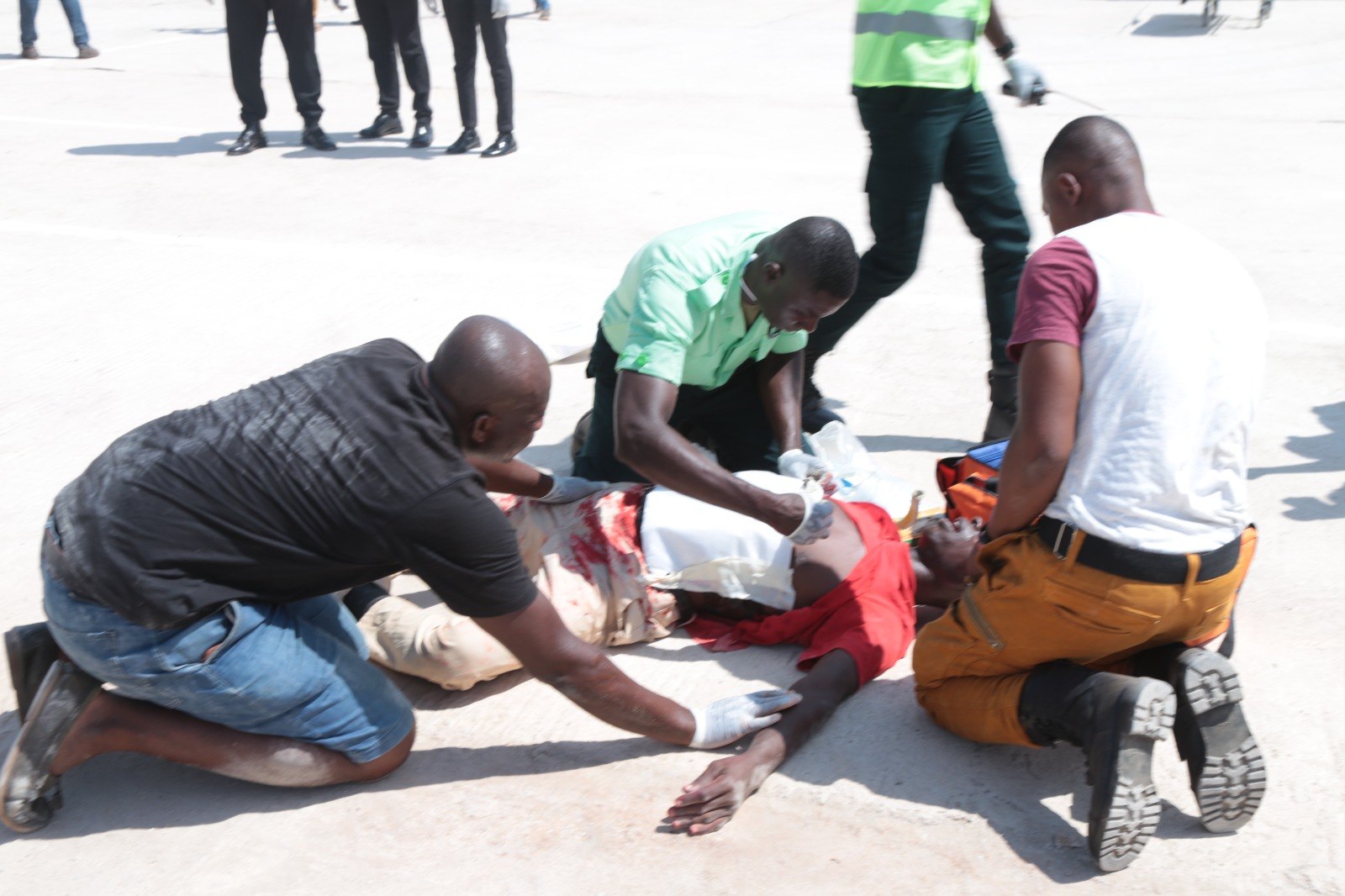
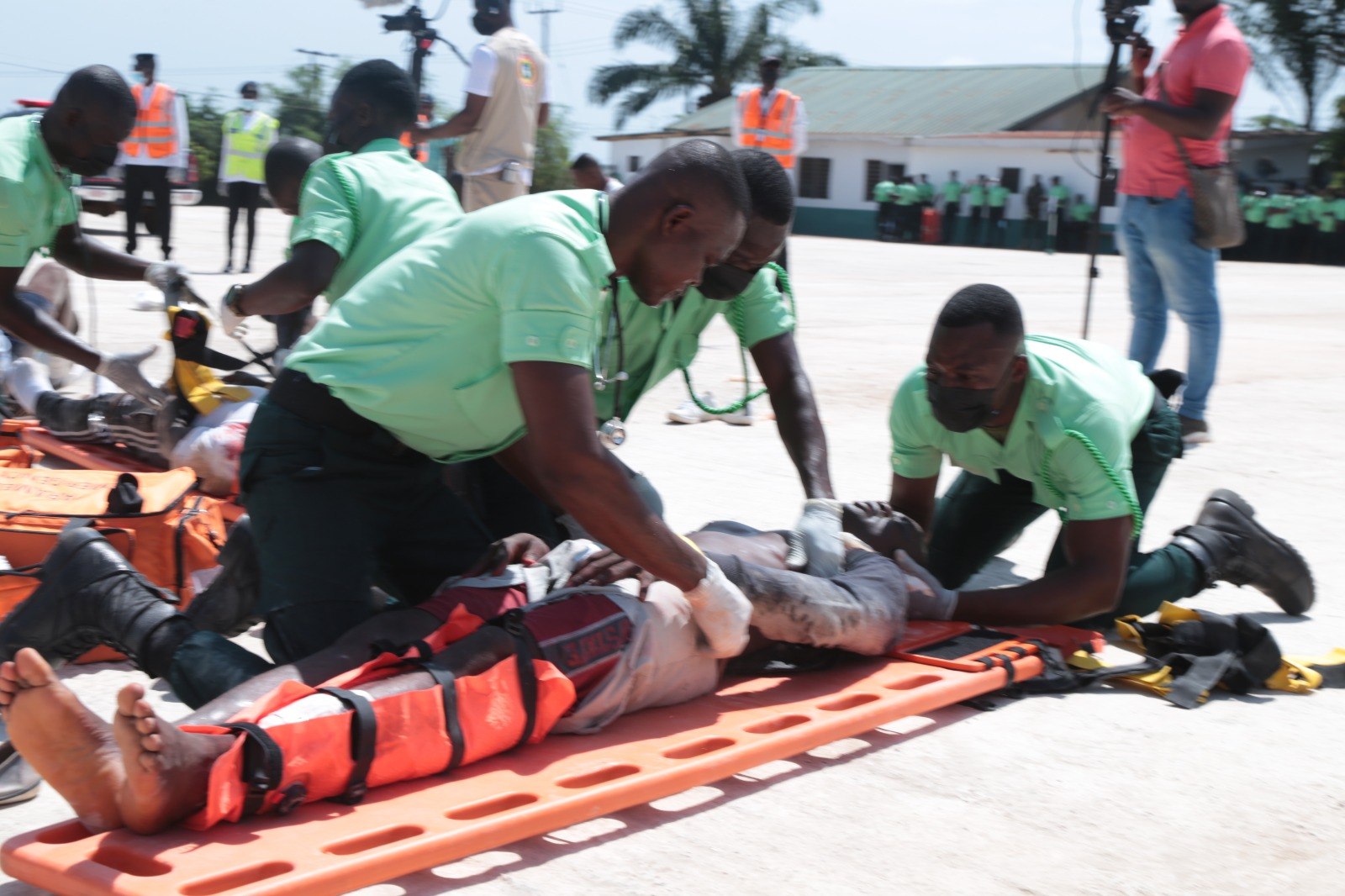
PECTS is anchored in a dual-track educational philosophy that combines mainstream medical training with paramilitary discipline. This unique approach ensures that graduates are not only clinically competent but also psychologically and physically prepared — trained to operate with precision, composure, and alertness under the high-pressure conditions that define emergency medical response.
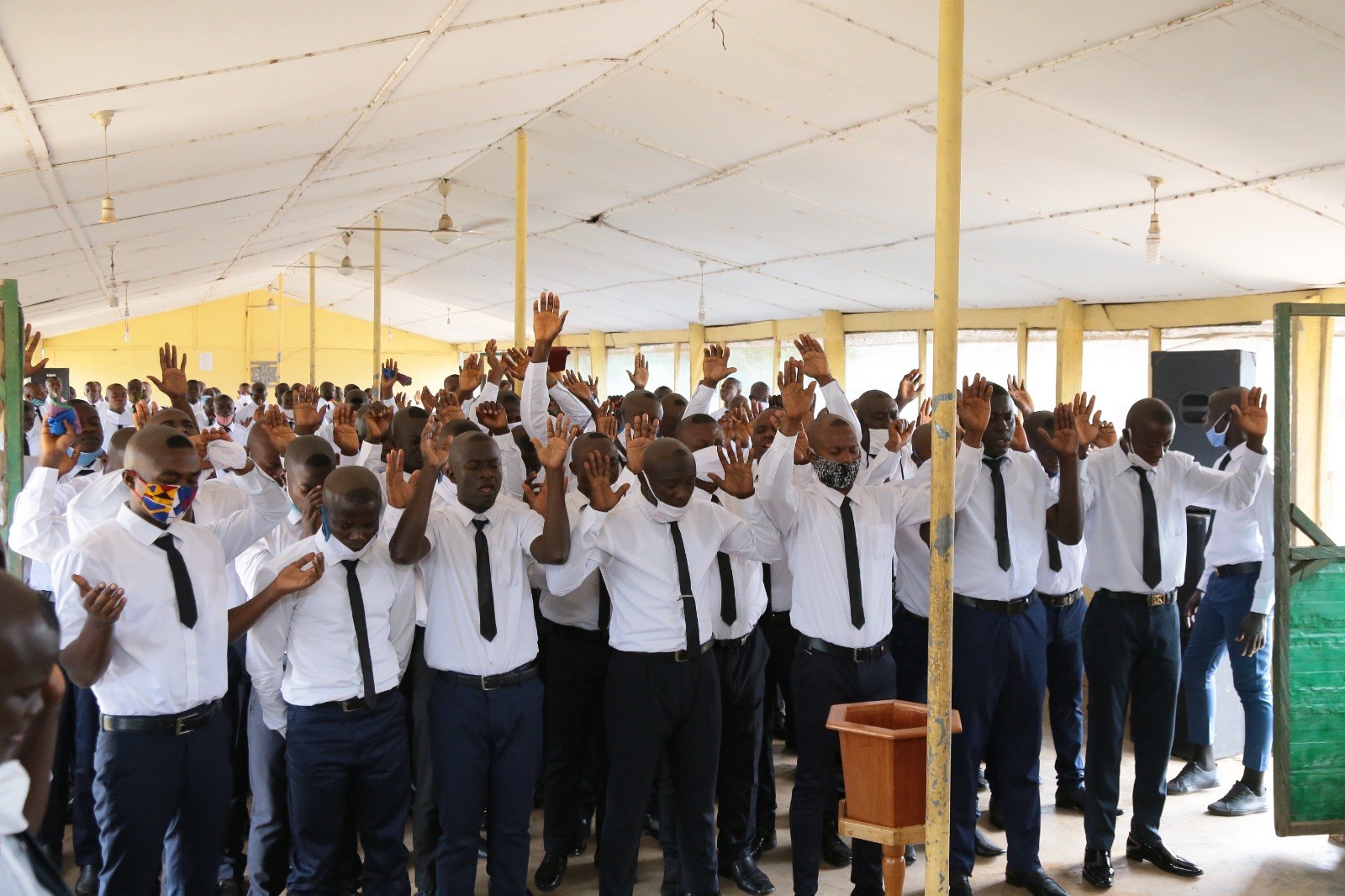
The paramilitary component instils core values of discipline, punctuality, and teamwork that are essential in life-or-death scenarios. This integration of clinical rigour and regimented structure distinguishes PECTS from conventional medical training institutions and reflects the demanding nature of pre-hospital emergency care.
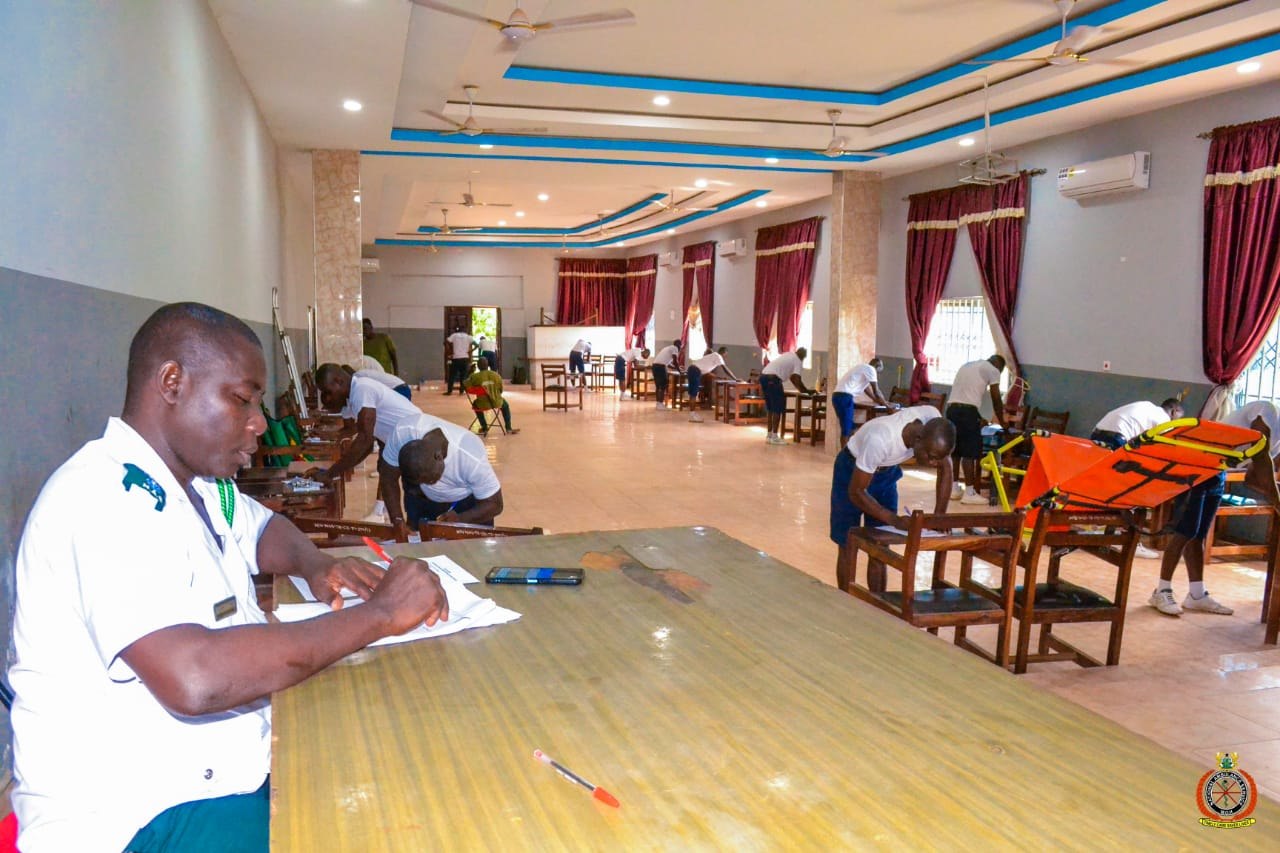
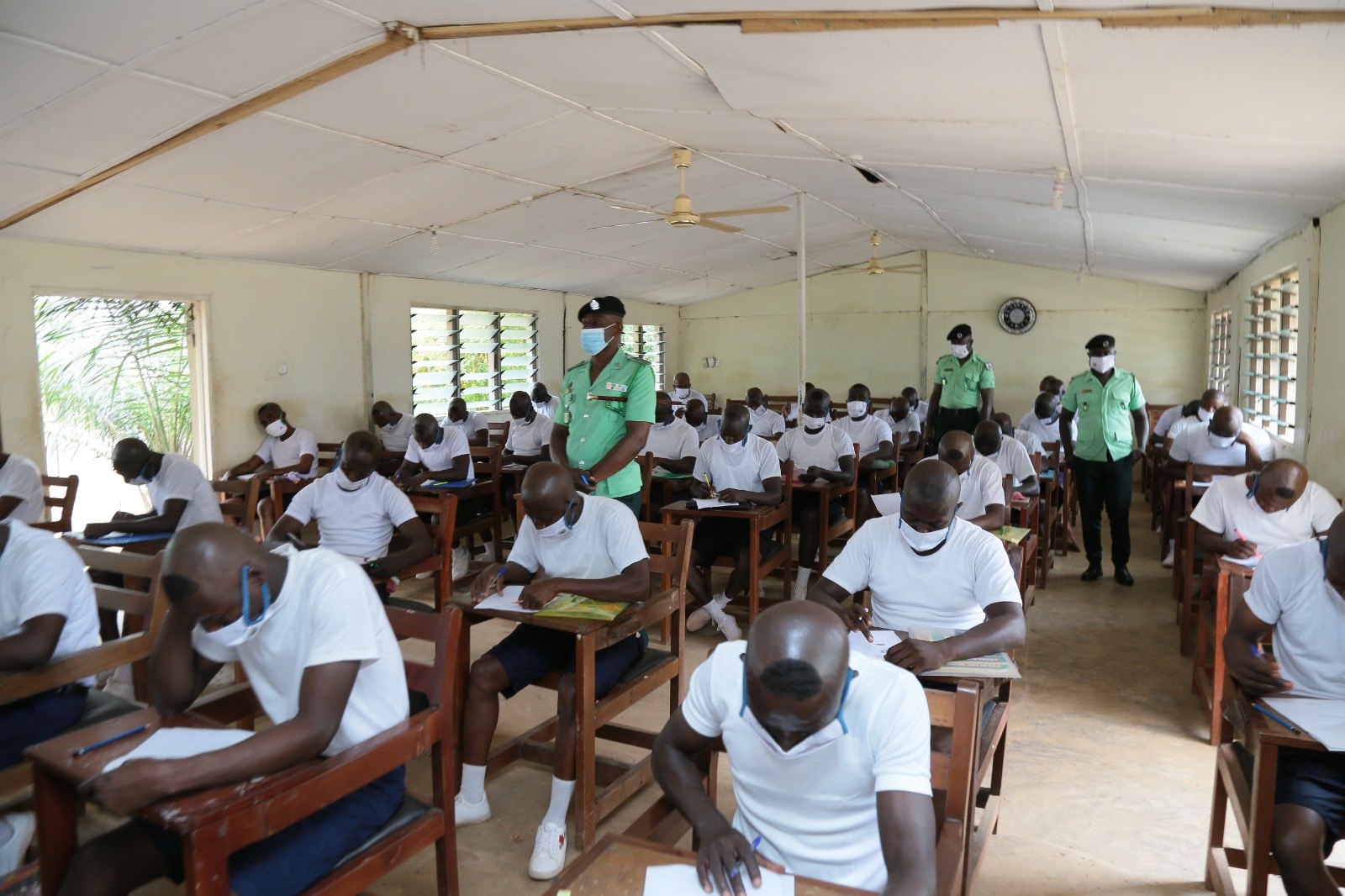
Professional education aligned with international paramedic standards
Both programmes combine rigorous theoretical instruction with structured practical attachments in hospital and ambulance settings, ensuring that graduates are fully practice-ready upon completion.
Both programmes combine rigorous theoretical instruction with structured practical attachments in hospital and ambulance settings, ensuring that graduates are fully practice-ready upon completion.
Discipline, teamwork, and resilience training for emergency medical services





Chief Executive Officer, NAS
Provides overall policy direction and institutional supervision
Head of Academic Department
Coordinates training programs, curriculum development, and maintains academic standards
Administrative Manager
Oversees day-to-day operations and administrative functions
Instruction at PECTS is delivered by a highly specialised faculty comprising:
This multidisciplinary team brings a depth of clinical expertise and field experience that directly informs the training curriculum, bridging academic learning with real-world emergency response.
As the first paramedic training institution in West Africa, PECTS represents a pivotal step in closing the critical gap in emergency healthcare across the sub-region. Its model, combining rigorous clinical education, immersive field attachments, and paramilitary discipline, has set a benchmark for emergency medical training that positions Ghana as a leader in pre-hospital care development.
With over 3,000 personnel trained, the school's impact extends beyond individual competence to the systematic strengthening of Ghana's emergency response infrastructure.
Call the National Ambulance Service emergency line — free from any network, 24 hours a day.
Call 112 Now