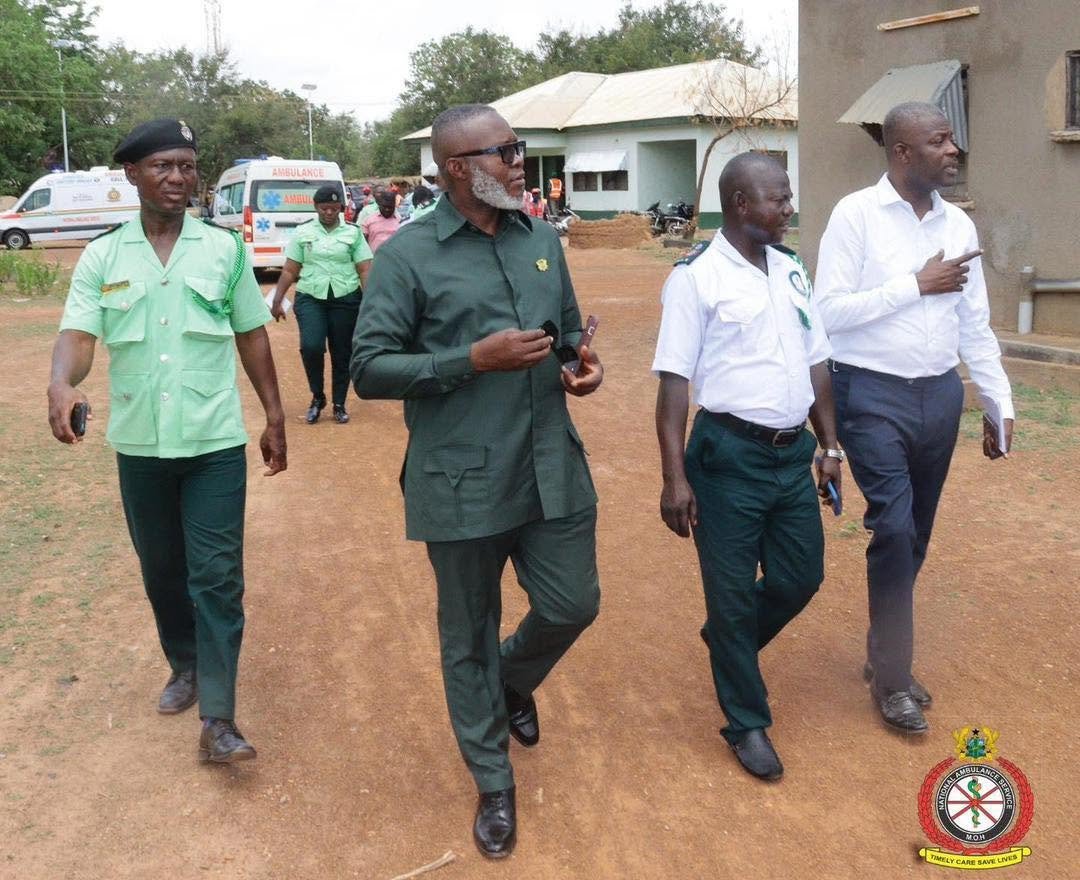
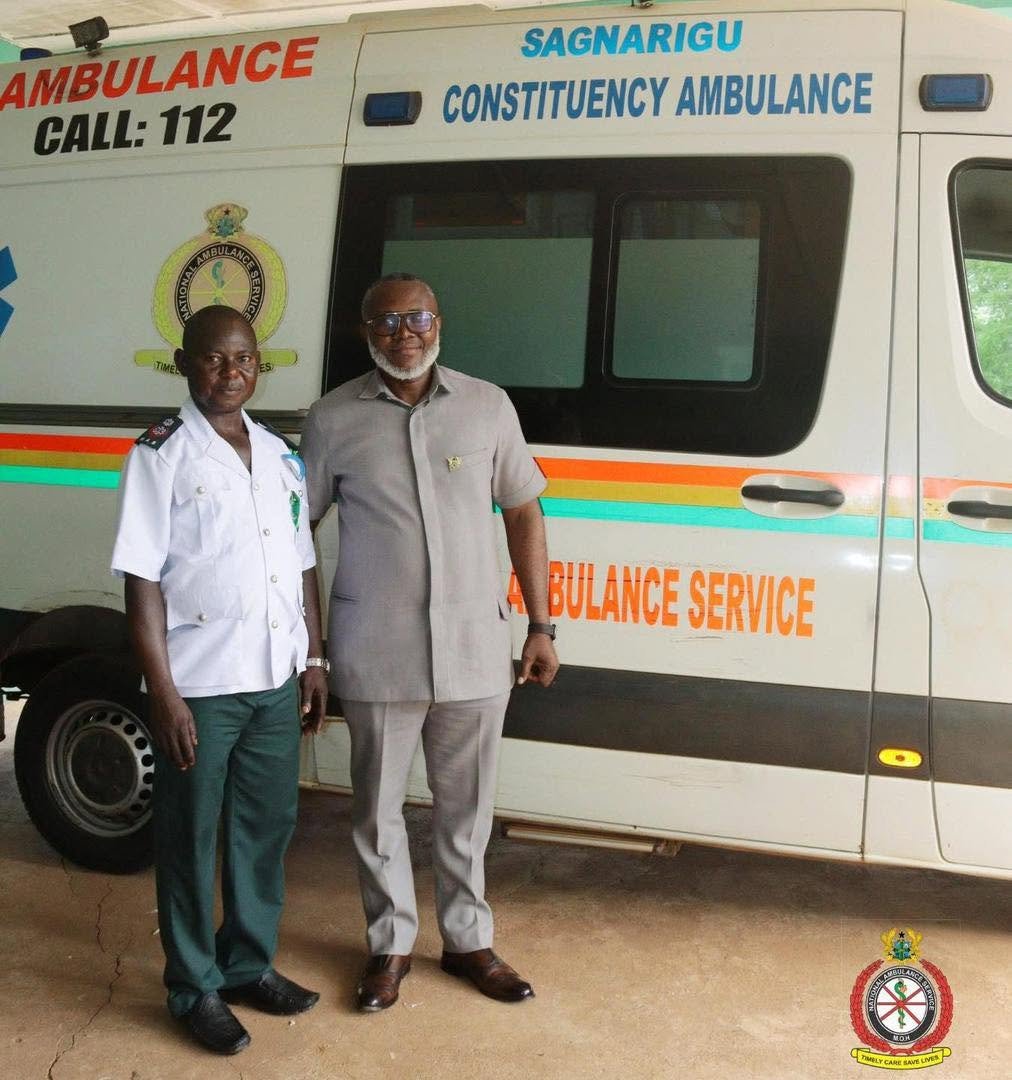
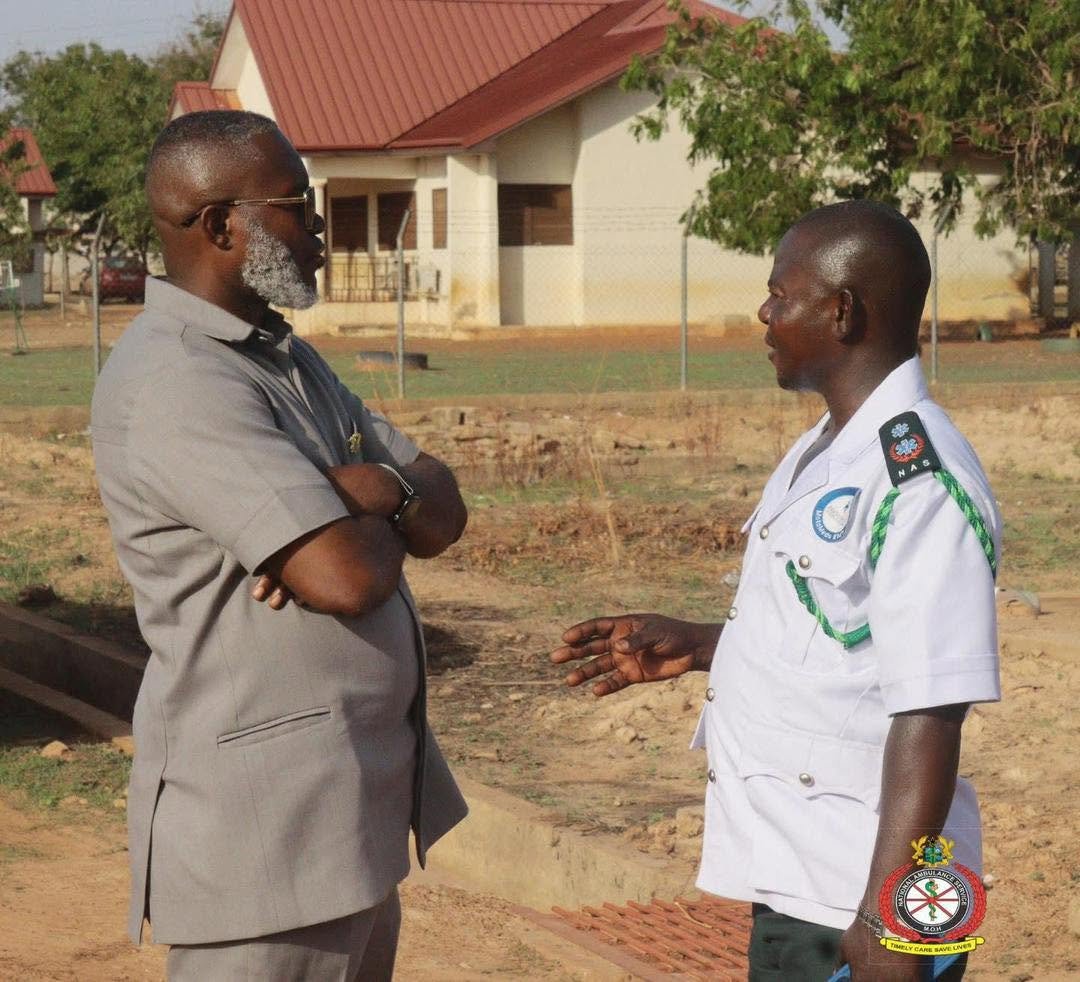
TAMALE – In an era where aging infrastructure often dictates the pace of public service, the Northern Region’s National Ambulance Service (NAS) is defying the odds. At the heart of this turnaround is the Regional Administrative Manager, DCAEMT Mumuni Abdul-Rahman, whose rigorous approach to fleet sustainability and personnel management is being hailed as a blueprint for emergency medical services nationwide.
While many specialized vehicle fleets across the country struggle with downtime and mechanical attrition, the Northern Region has maintained a remarkably high percentage of its ambulances on the road. The secret, it appears, isn't a sudden influx of new vehicles, but a disciplined culture of "maintenance as mission."
Engineering Reliability Through Discipline
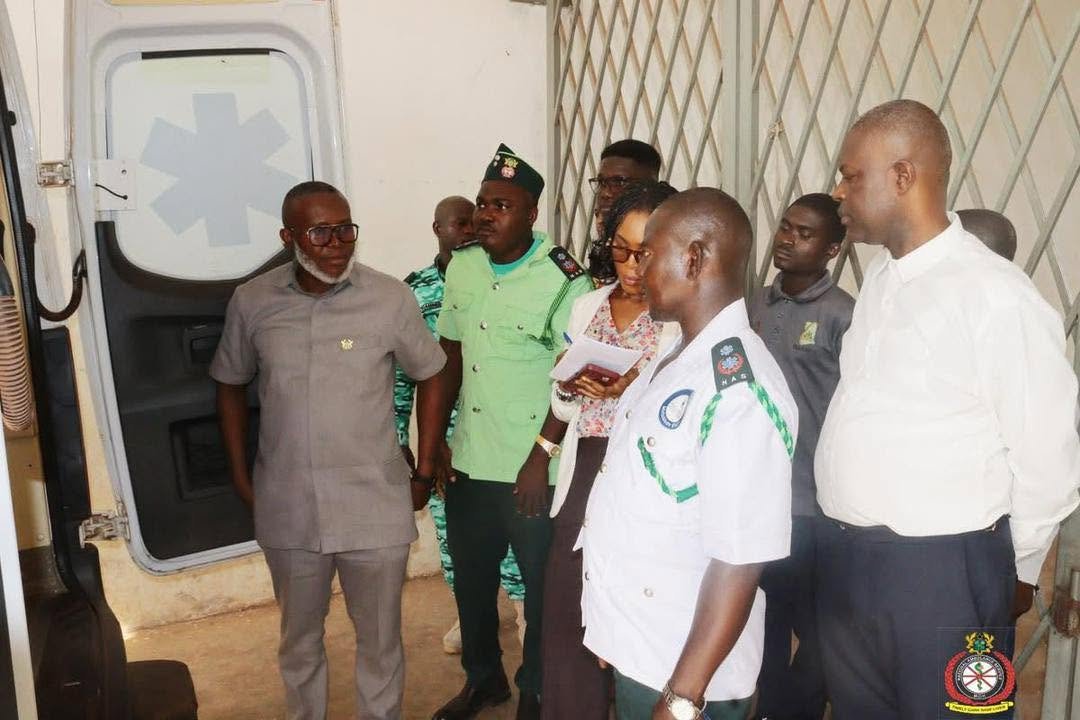
Under the Manager’s oversight, the Service has shifted from reactive repairs to a strict preventative maintenance schedule. By ensuring that every ambulance undergoes routine servicing regardless of immediate symptoms, the region has significantly extended the lifespan of its aging units.
This mechanical reliability has a direct impact on the ground:
Reduced Downtime: Vehicles spend more time in communities and less time in workshops.
Faster Response Times: Reliable engines mean personnel can reach remote emergencies without fear of transit failure.
Fiscal Responsibility: Routine upkeep has proven far cheaper than emergency overhauls, saving significant public funds.
Fostering a Culture of Support
Beyond the engines and tires, the Manager is being credited with a "people-first" leadership style. Recognizing the high-pressure nature of prehospital care, he has implemented mentorship programs and a robust system of accountability.
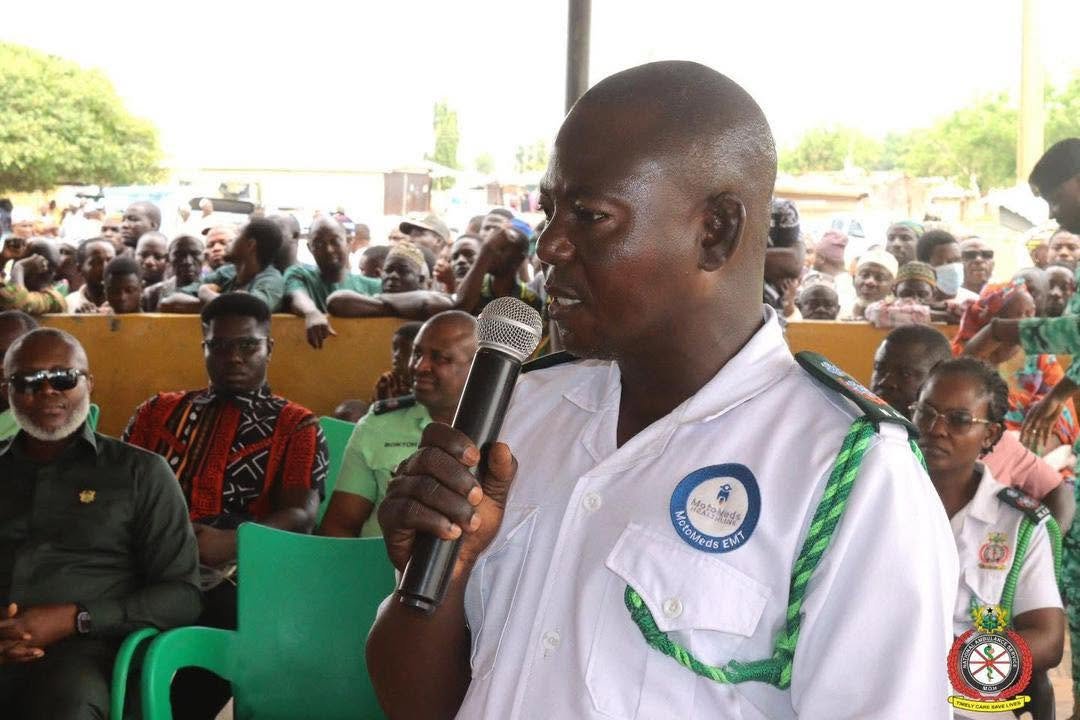
"Leadership isn't just about managing machines; it’s about supporting the people who drive them," noted one senior paramedic. "The transparency here has reduced burnout because we feel the administration has our backs when the pressure is on."
This shift in internal culture has directly translated to higher staff retention and a noticeable boost in morale, creating a stable workforce in a sector often plagued by high turnover.
Strengthening the Emergency Ecosystem
The impact of this leadership extends beyond the ambulance bay. By leveraging data-driven oversight, the Regional Administrative Manager has improved transparency, allowing for better coordination with local hospitals and district authorities.
This collaborative environment has streamlined the "chain of survival," ensuring that when an ambulance arrives at a facility, the handoff is seamless. The result is a growing sense of public trust; citizens in the Northern Region now view the siren not just as a signal of emergency, but as a reliable promise of care.
As the National Ambulance Service continues to navigate resource constraints, the Northern Region stands as a testament to what can be achieved through strategic oversight. By turning maintenance into a driver of efficiency, the Regional Administrative Manager has proven that even an aging fleet can deliver modern, world-class emergency care when guided by a steady hand.
For the communities of the North, this leadership isn't just about logistics—it is, quite literally, a lifesaver.