← Back to Newsroom
The Chief Executive Officer of the National Ambulance Service (NAS), Dr. (Med.) George Kojo Owusu, has described effective dispatch operations as the “bedrock of Emergency Medical Services (EMS)”, stressing that strengthening the dispatch system is critical to improving response times, patient coordination, and emergency care outcomes.
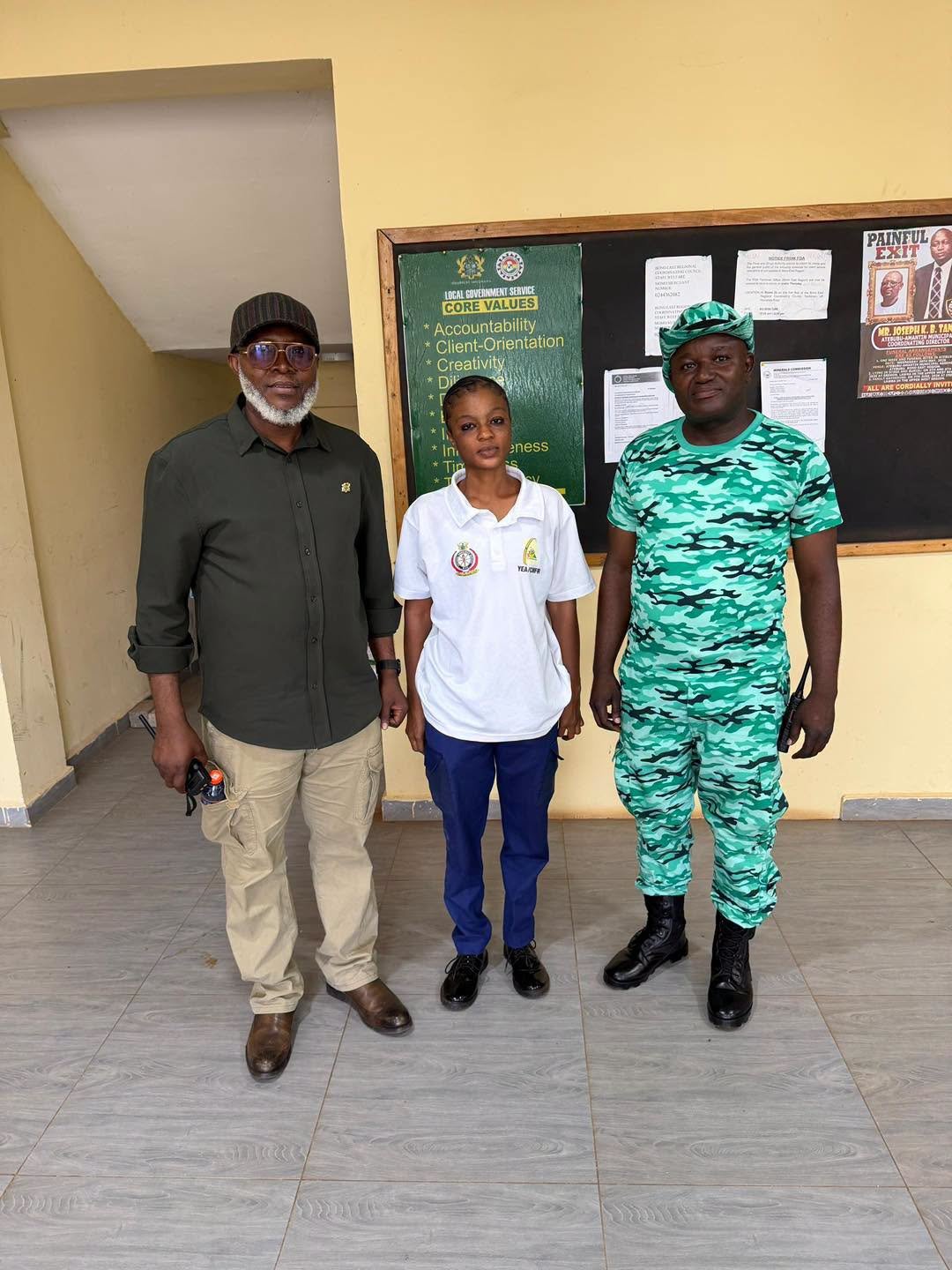
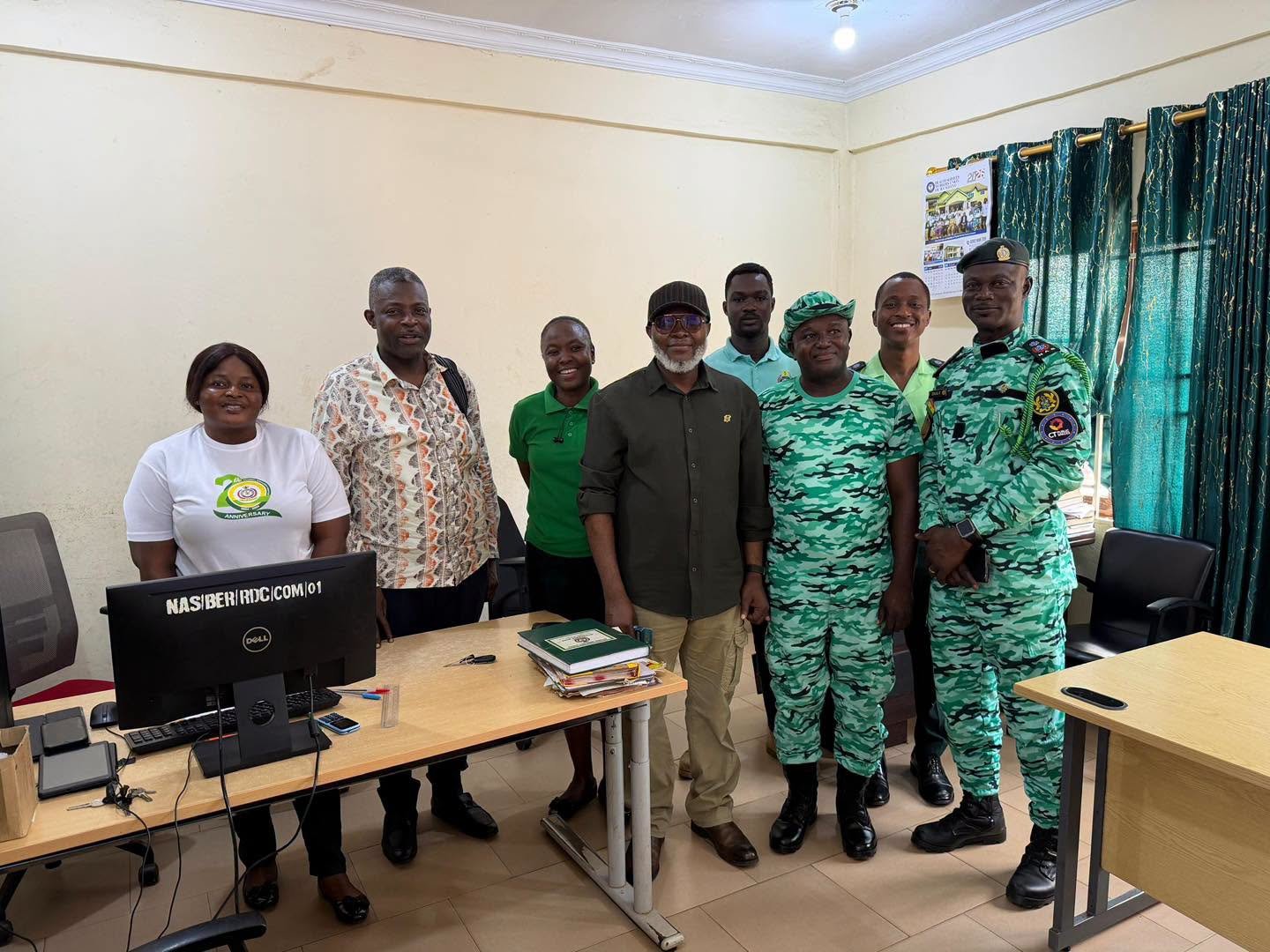
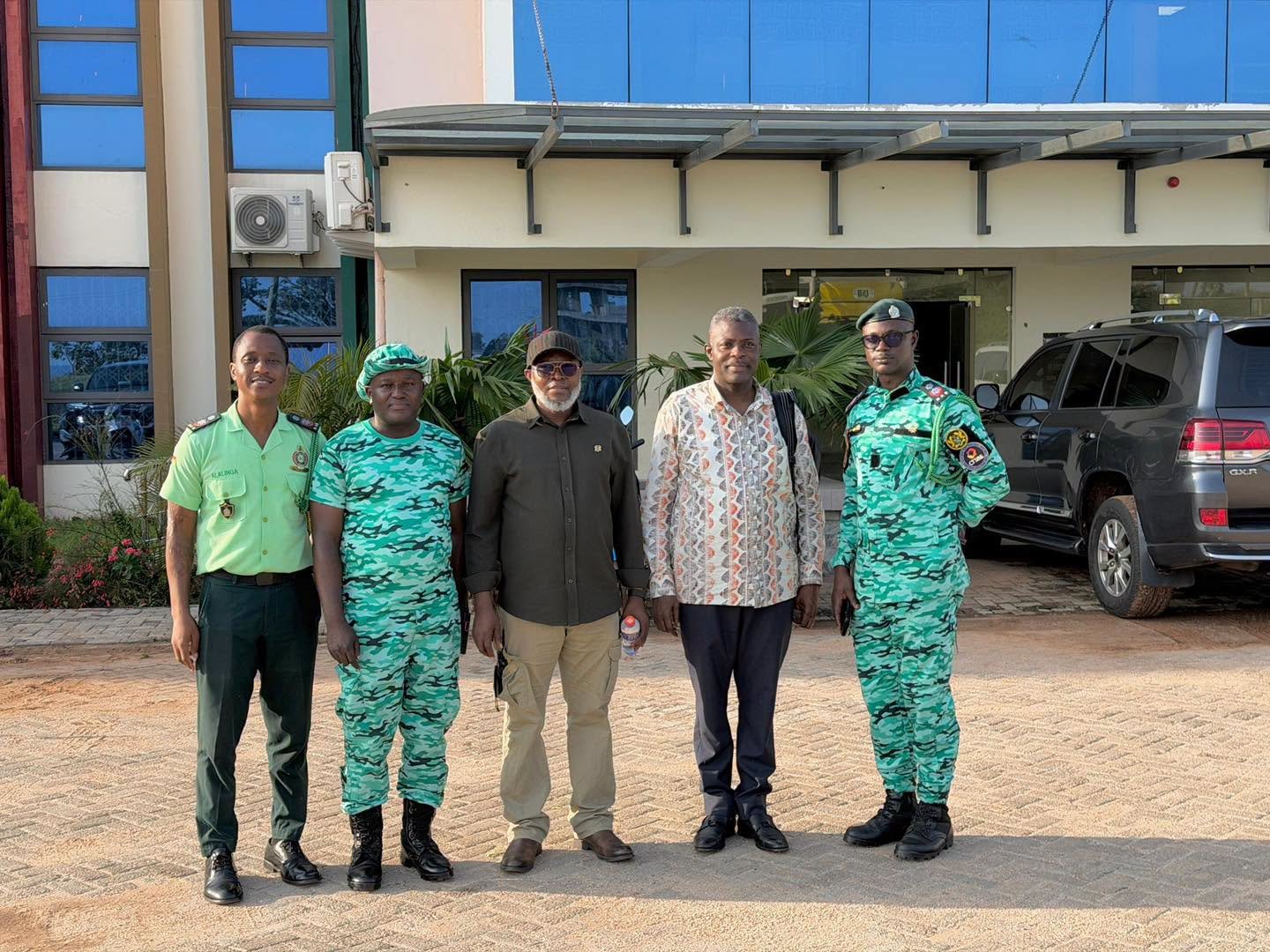
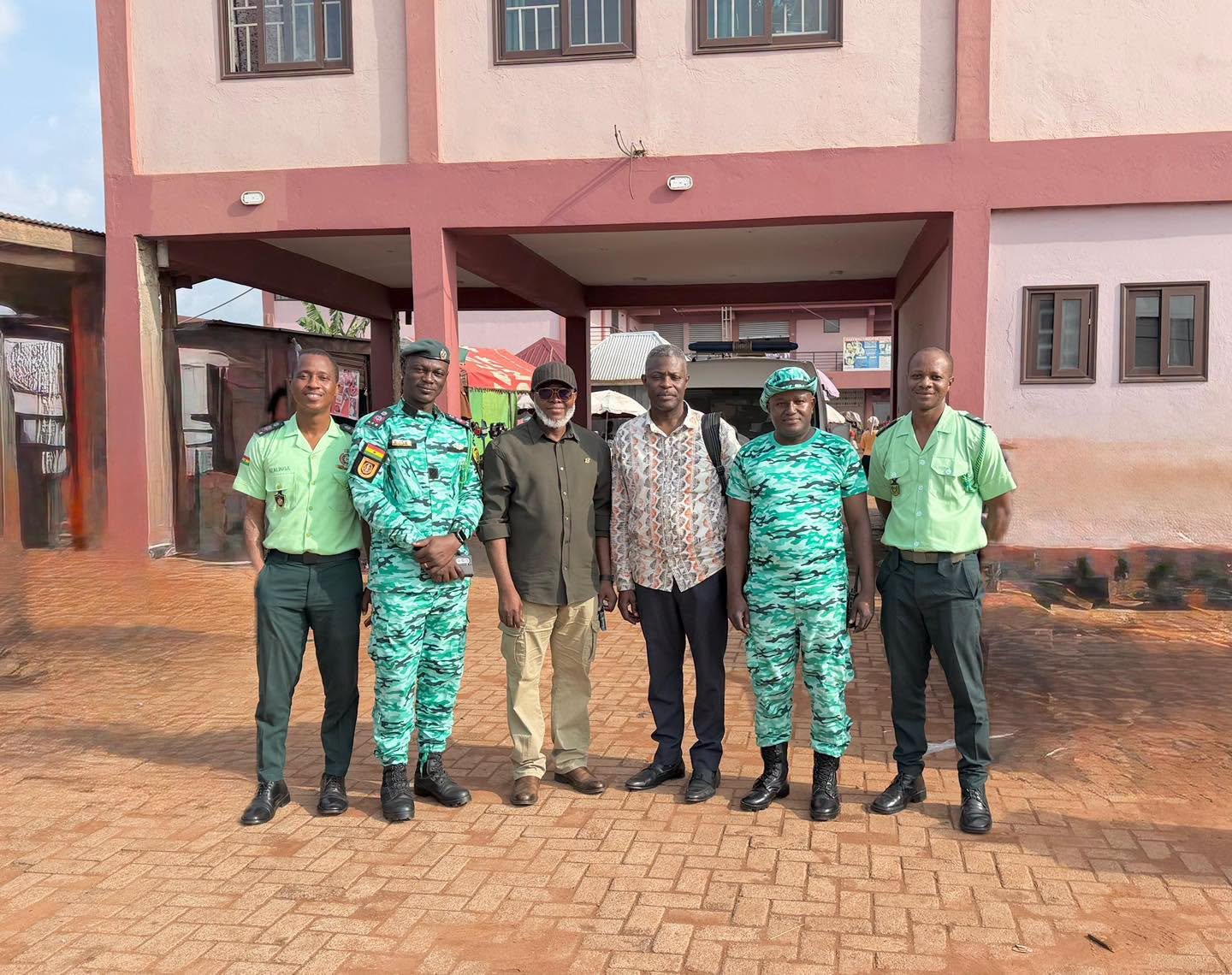
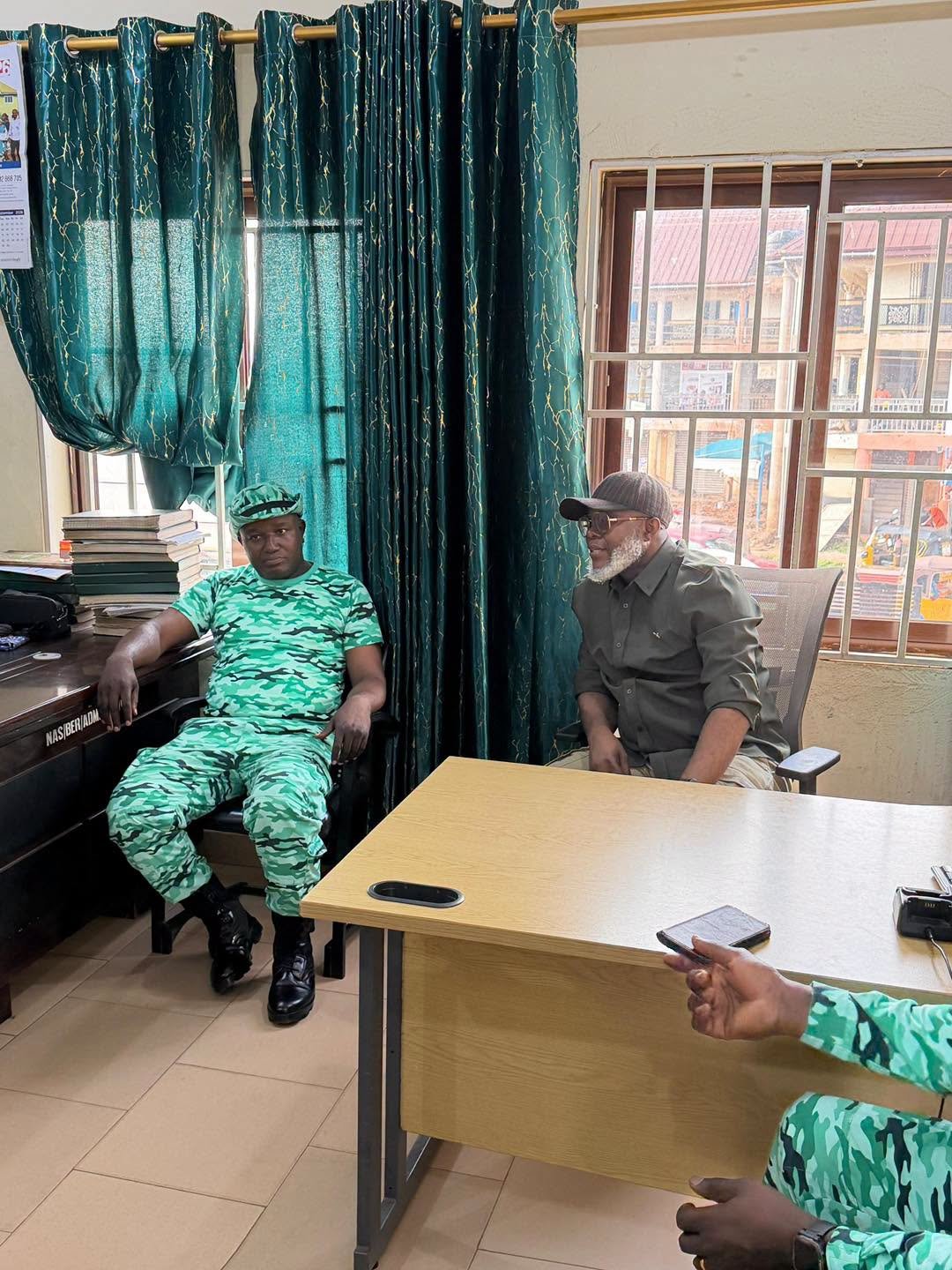
Dr. Owusu made the remarks on Thursday, August 27, 2026, when he visited the Bono East Dispatch Centre and Regional Secretariat as part of his two-day working visit to the region. He was accompanied by the Director of Finance, Mr. Victor Cofie.
The delegation was received by the Bono East Regional Administrative Manager, DCAEMT Michael K. Badu, and the Officer in Charge of Dispatch, AEMT Charity Owusu.
According to the CEO, an efficient dispatch system serves as the critical link between emergency callers, ambulance crews, dispatchers, and receiving health facilities. Consequently, Management has made the strengthening of dispatch operations a key priority for the year.
As part of this agenda, Dr. Owusu disclosed that a Ministry-led pilot initiative is being developed to provide dispatch centres with real-time information on available beds at receiving health facilities. The system is expected to support more informed destination decisions and improve coordination between ambulance teams and hospitals.
He further announced plans for specialised training for dispatch leaders, which will contribute to the development of a comprehensive and standardised Standard Operating Procedure (SOP) for dispatch operations, including destination triage and pre-arrival instructions.
In a significant step towards strengthening quality assurance, the CEO also revealed plans to introduce a system for recording emergency calls. The initiative, which will initially be rolled out in three regions, is expected to support service quality monitoring, staff development, accountability, and medico-legal requirements before its eventual expansion nationwide.
Beyond dispatch, Dr. Owusu urged regional authorities to intensify efforts to return more ambulances to active service, assuring them of Management’s support.
He disclosed that efforts are underway to repair 30 ambulances recently handed over to the National Security, after which the vehicles are expected to be redistributed to various regions to strengthen the operational fleet. Additional funds are also being mobilised to restore non-functional ambulances and acquire more vehicles.
On human resources, the CEO announced plans for recruitment campaigns to increase staffing levels across the Service, while reaffirming Management’s commitment to improving staff welfare and providing the logistics needed for effective service delivery.
Dr. Owusu also urged ambulance drivers to renew their driving licences promptly, noting that valid licences are essential in facilitating insurance claims in the event of road traffic accidents.
He encouraged staff to remain committed to their duties, assuring them that Management’s ongoing interventions are geared towards creating the right conditions for personnel to provide timely, coordinated and quality emergency medical care.
The visit formed part of Management’s continued engagement with regional teams to assess operational readiness, identify challenges, strengthen systems, and drive improvements in emergency medical services across the country.