Every healthcare professional, regardless of their field, may one day find themselves as the first responder in a life-threatening emergency. The ability to act quickly and correctly can save a life before advanced medical care arrives.
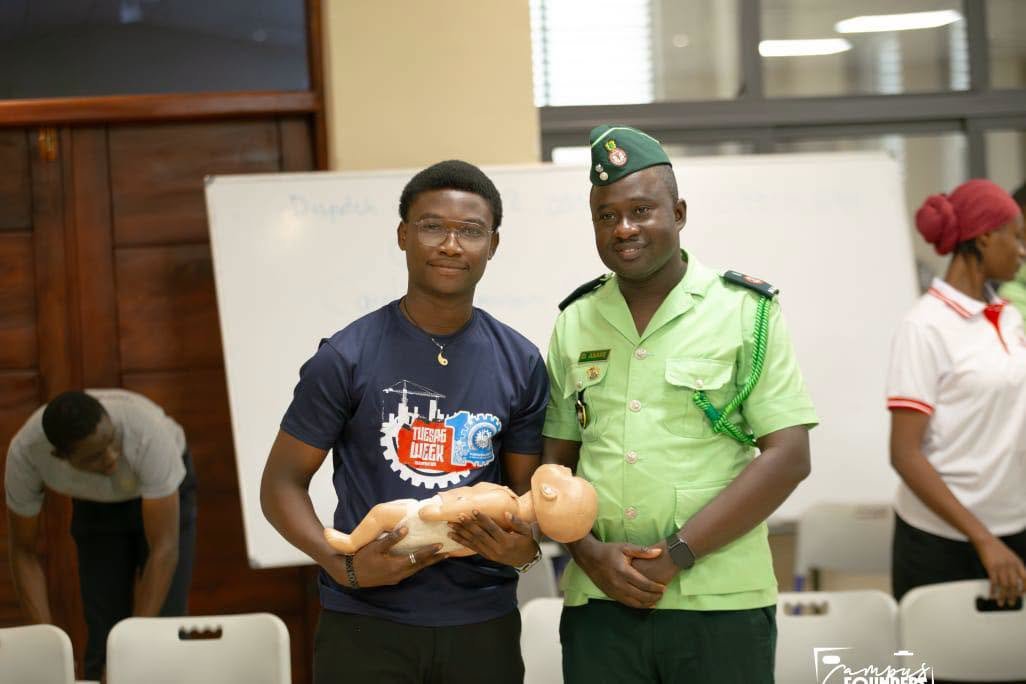
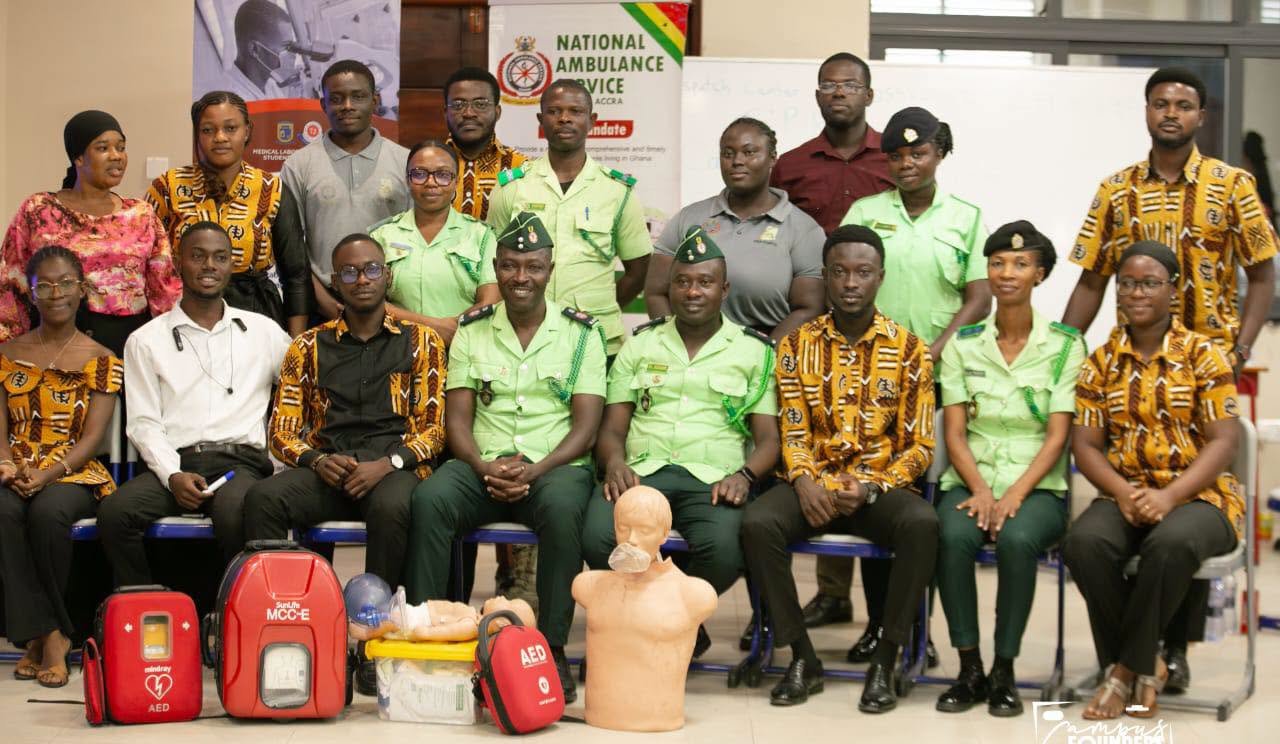
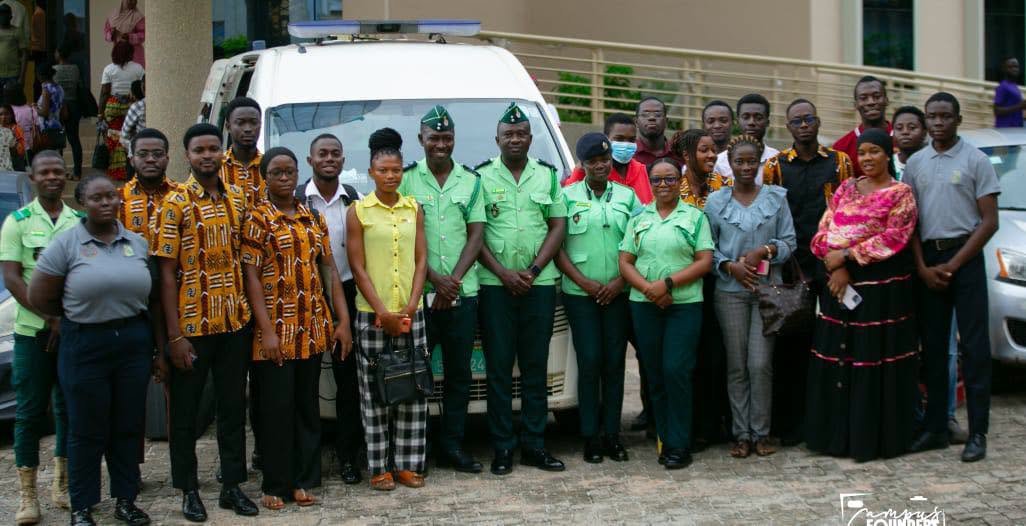
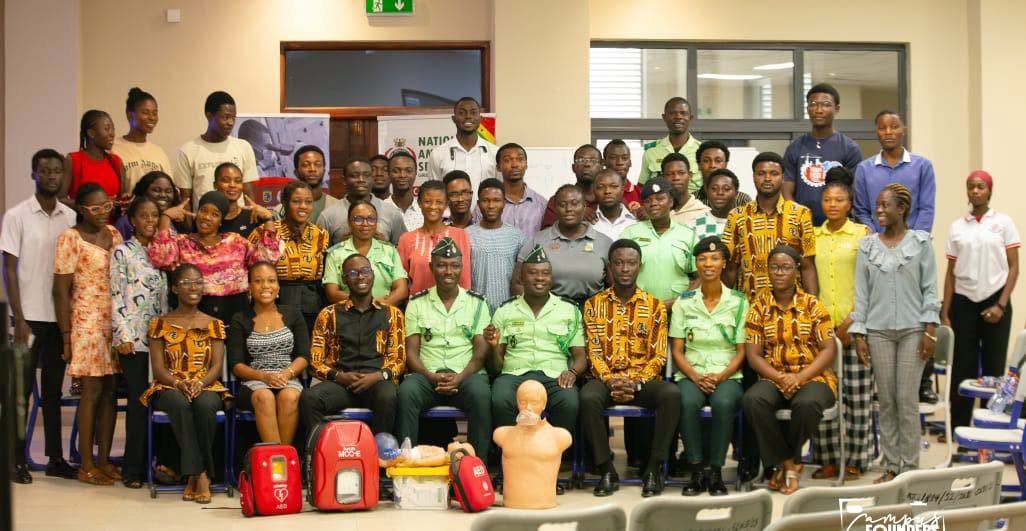
As part of activities marking the inauguration of the Week Celebration of Medical Laboratory Science Students' Association (MELSSA) of Accra Technical University, the National Ambulance Service (NAS) conducted an intensive First Aid and Basic Life Support (BLS) training for students of the department.
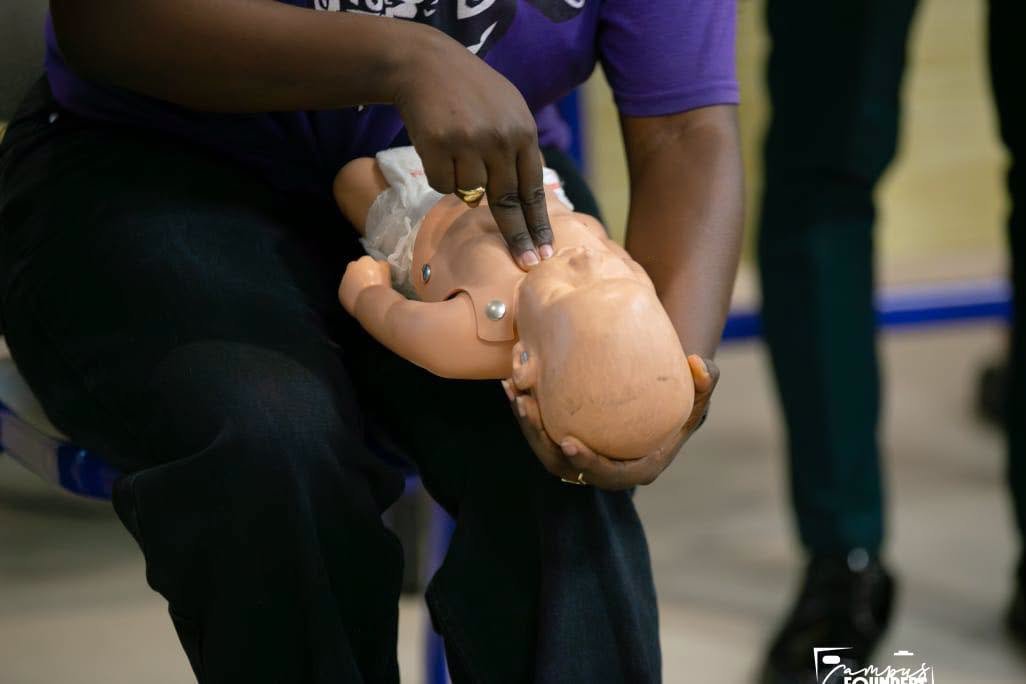
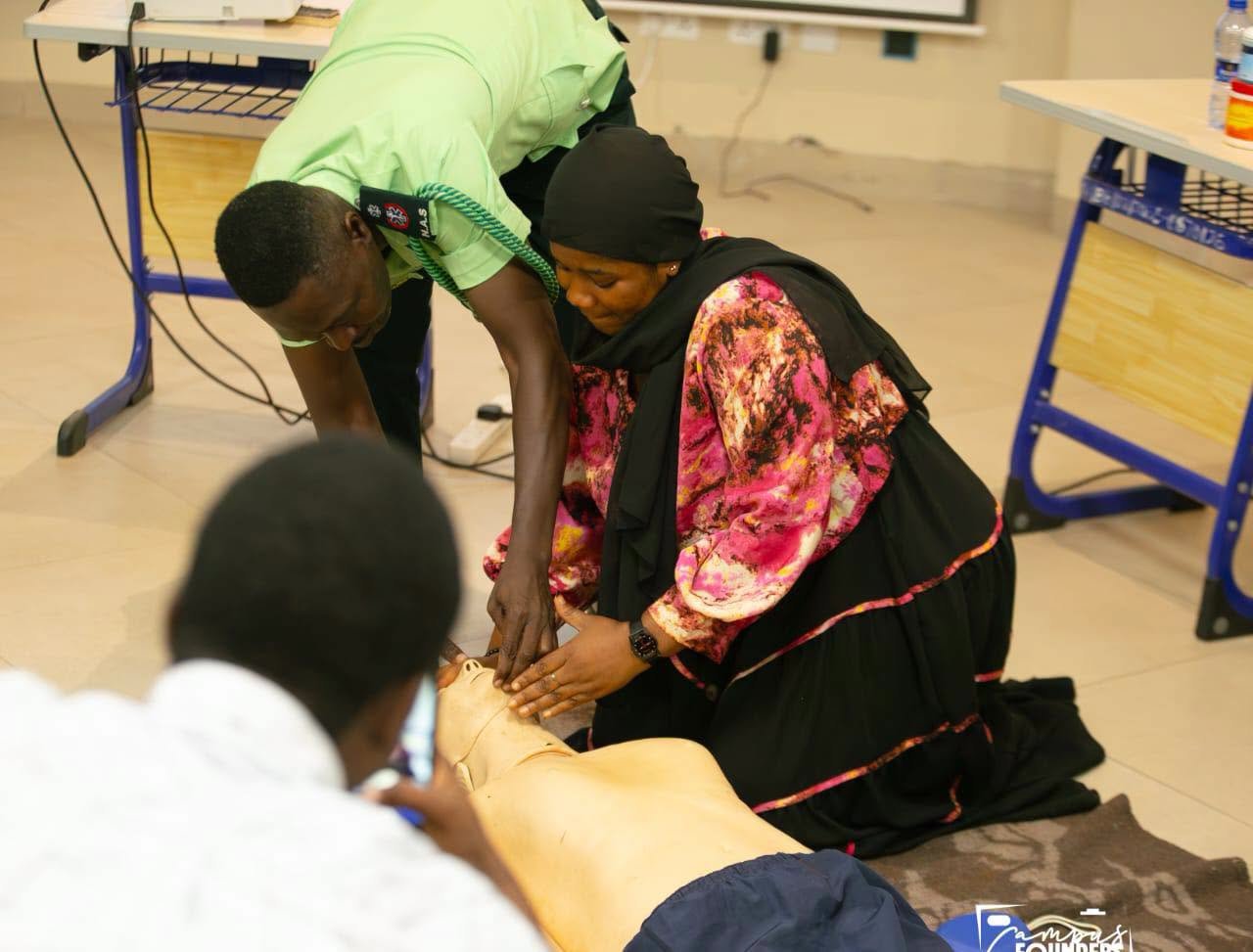
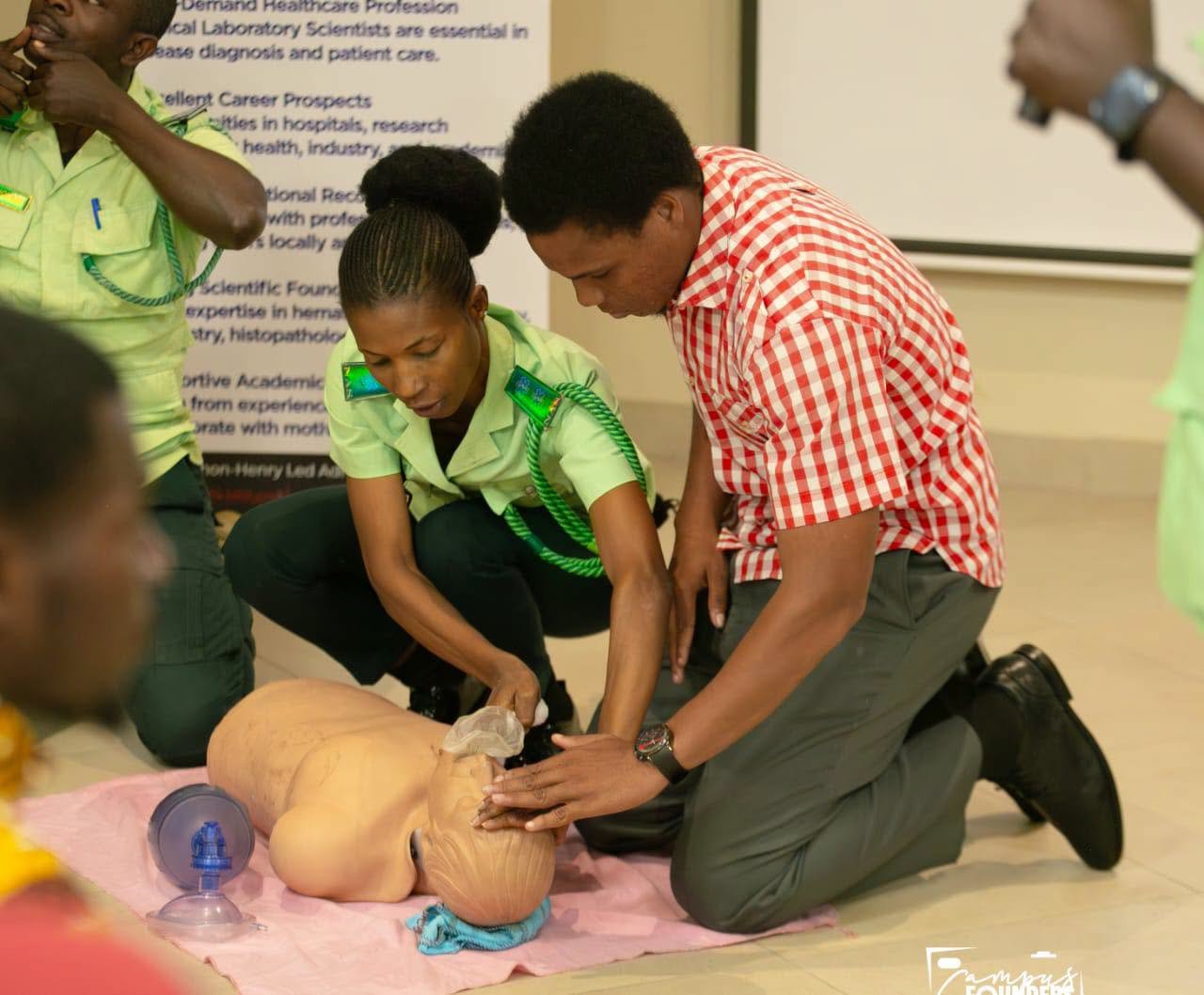
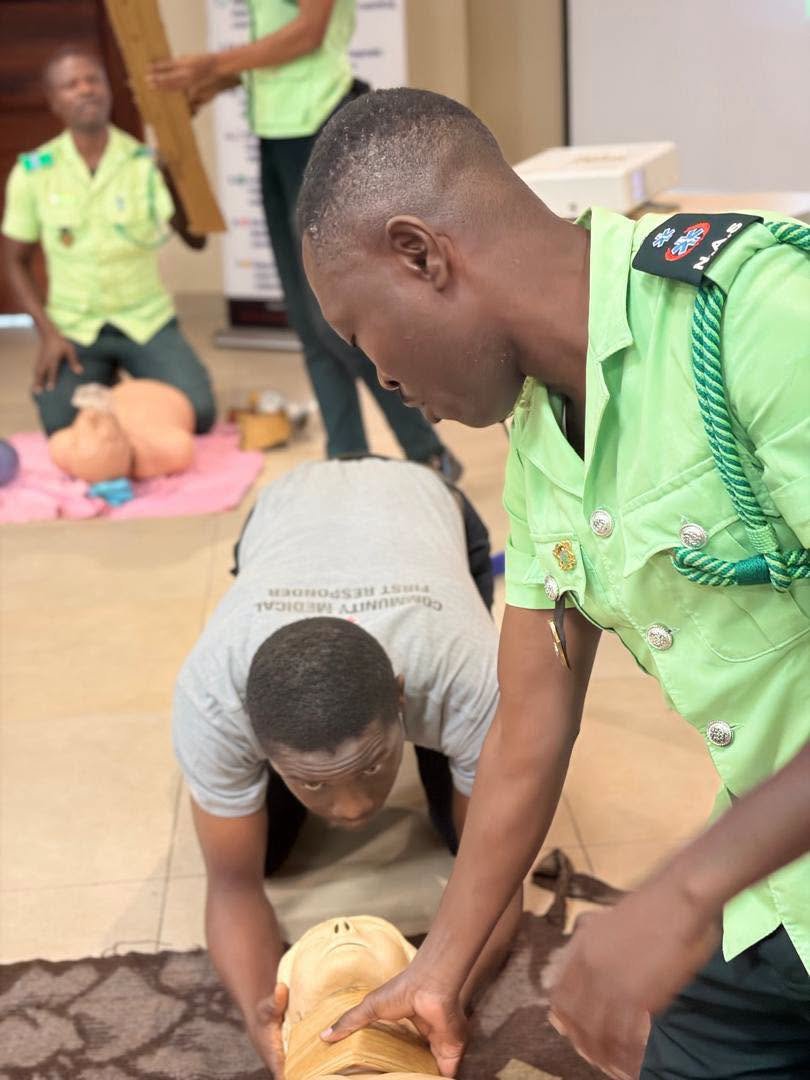
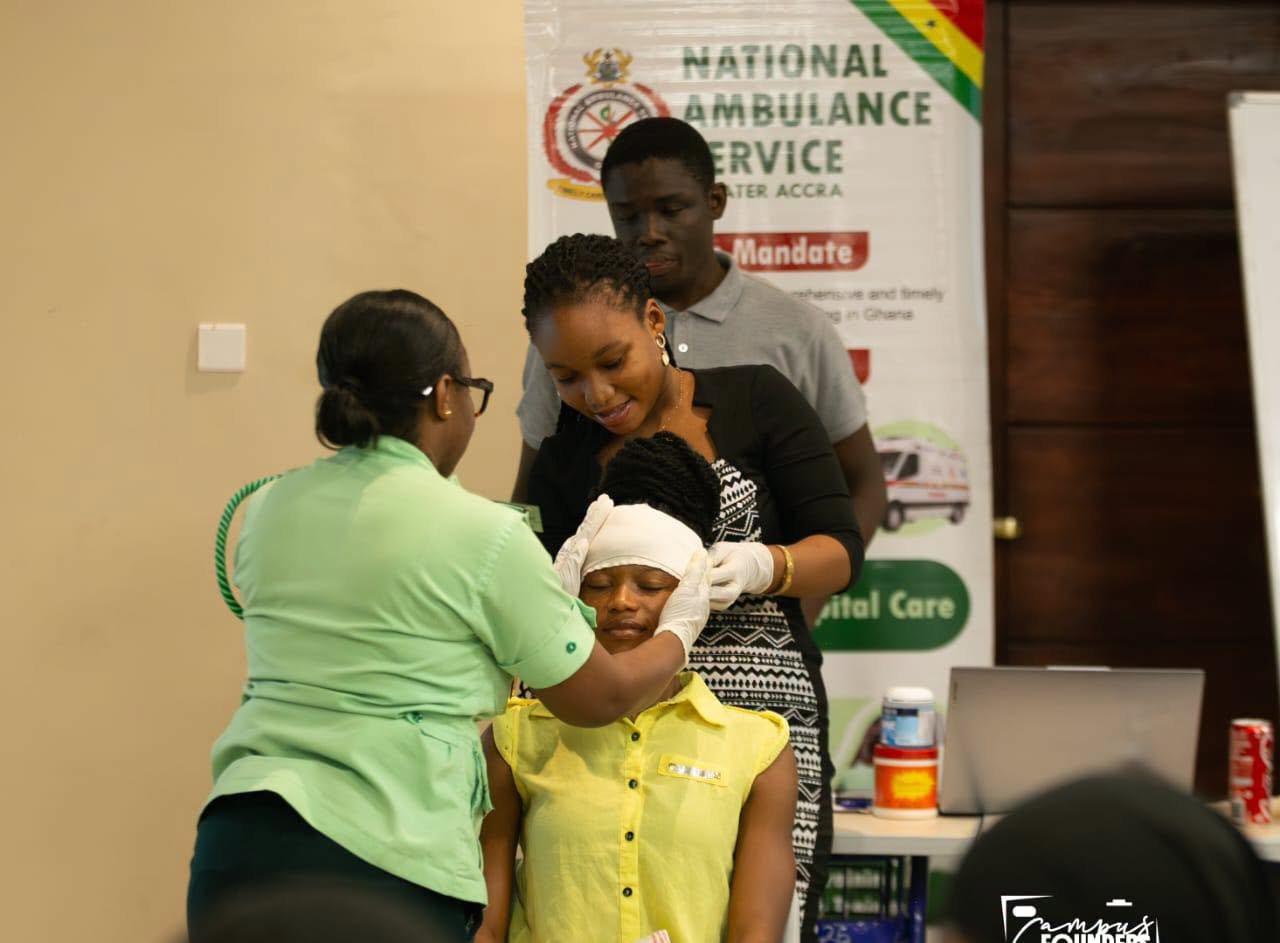
The training aimed at equipping participants with the knowledge and practical skills required to recognize and respond to medical emergencies. Students were taken through key topics including emergency scene assessment, cardiopulmonary resuscitation (CPR), choking management, bleeding control, recovery position techniques, and the appropriate activation of emergency medical services.
The session featured practical demonstrations and hands-on exercises, allowing students to gain first-hand experience in performing life-saving interventions. Participants actively engaged in various emergency scenarios designed to build confidence and improve their ability to respond effectively during critical situations.
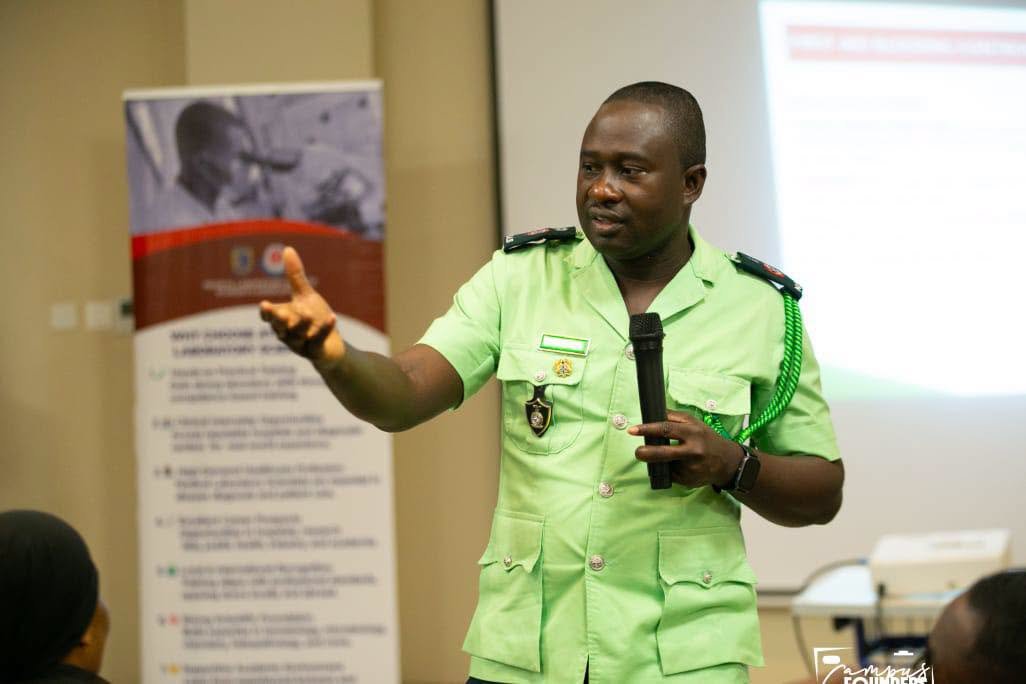
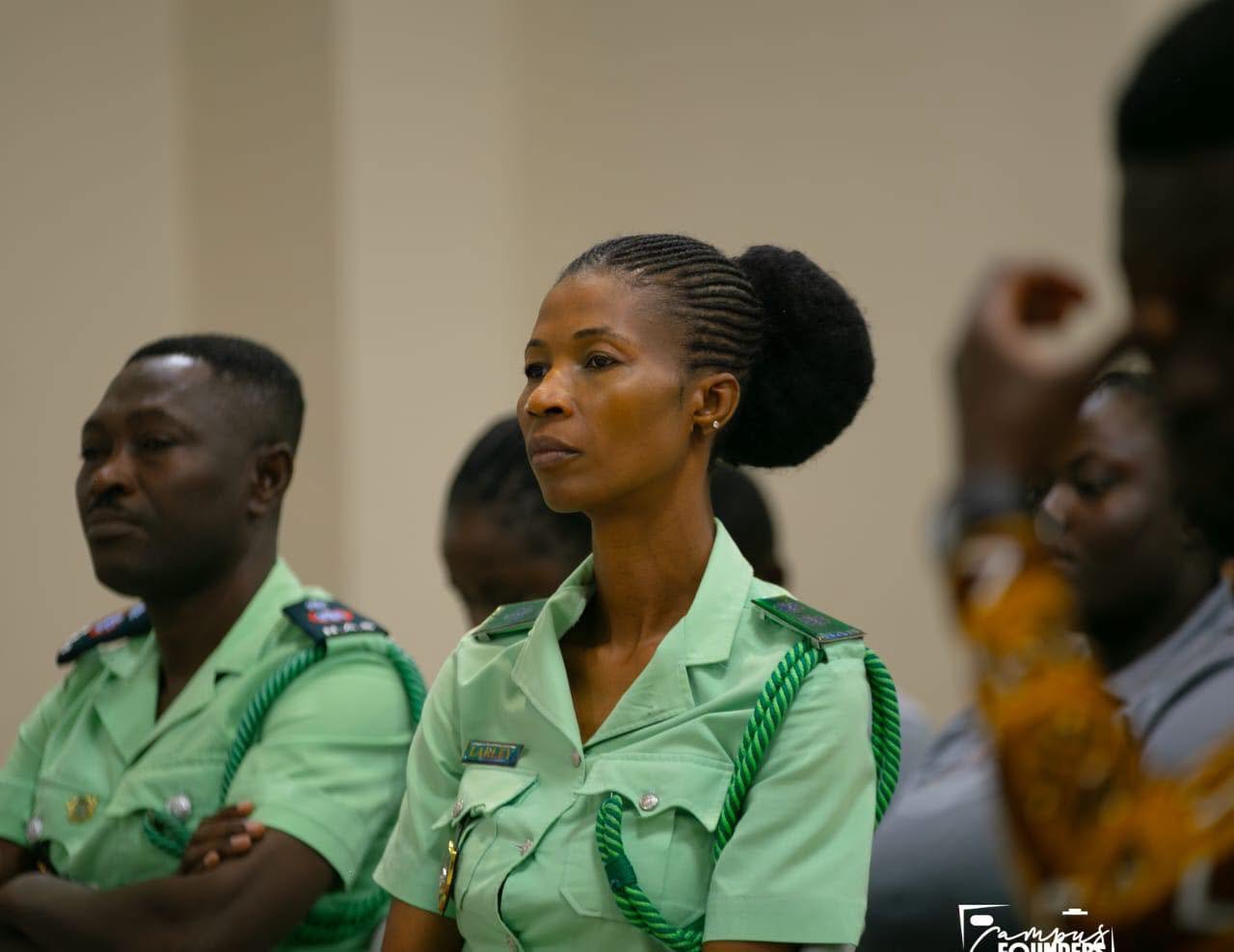
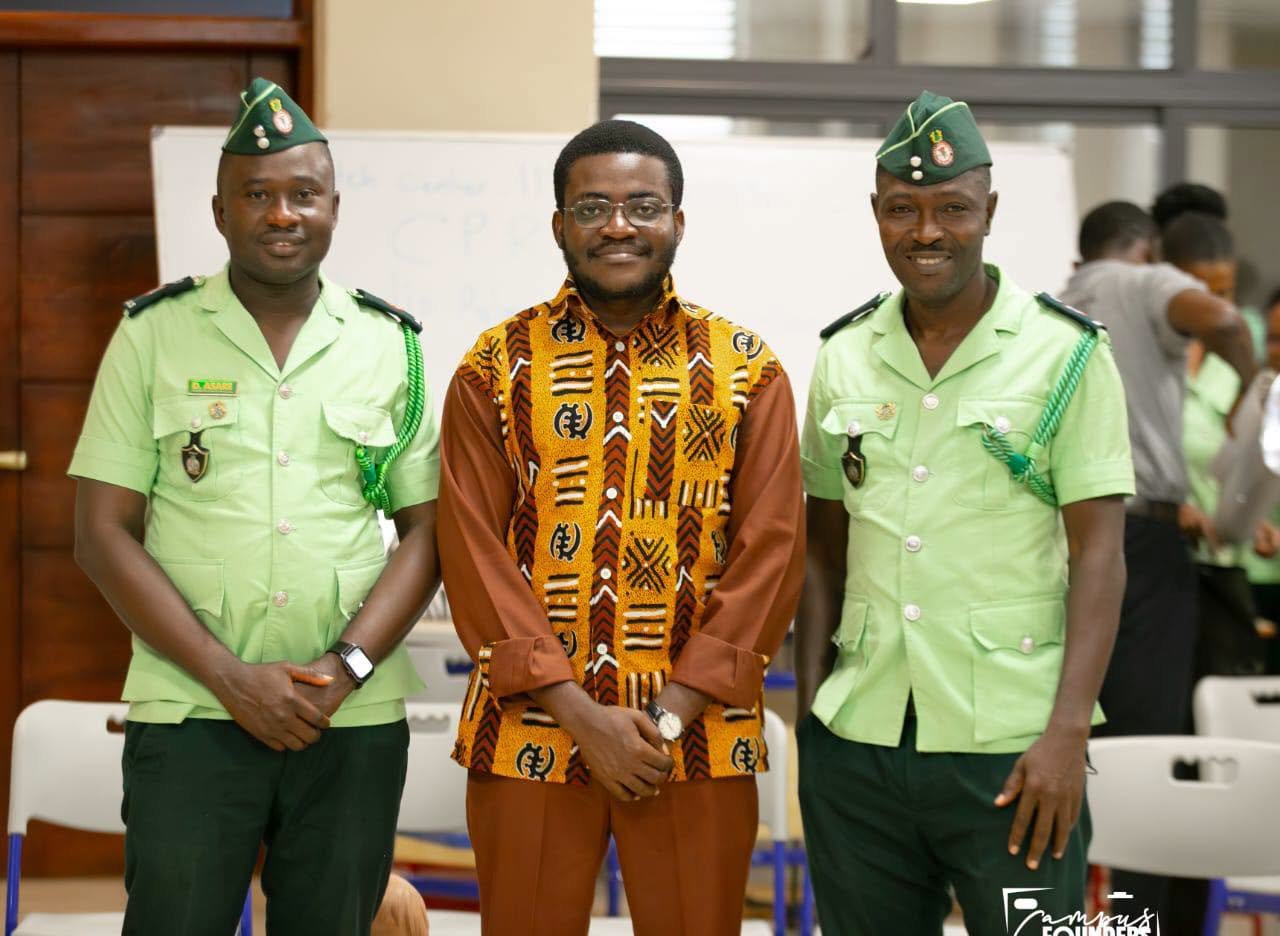
Facilitators from the National Ambulance Service highlighted the importance of First Aid and BLS skills in healthcare delivery and encouraged students to apply the knowledge gained to support patient safety both within healthcare settings and in their communities.
The Medical Laboratory Science Students' Association expressed appreciation to the National Ambulance Service for its contribution to the successful inauguration programme and for empowering members with skills that could one day help save lives.
The National Ambulance Service remains committed to promoting emergency preparedness through training and public education, ensuring that more individuals are equipped to respond confidently and effectively when emergencies occur.
Together, we are building a generation of healthcare professionals who are not only academically competent but also prepared to make a difference when every second counts.