← Back to Newsroom
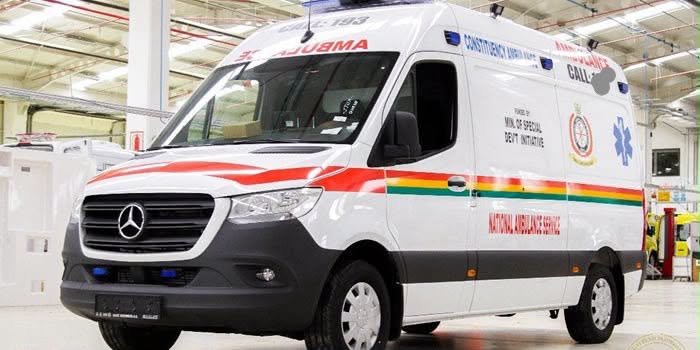
The President of the Republic of Ghana, H.E. John Dramani Mahama, has reiterated Government’s commitment to procure 100 new ambulances in 2027, while announcing an additional intervention to procure spare parts to repair and return 100 existing grounded ambulances to active service. The two interventions are expected to significantly strengthen the operational fleet of the National Ambulance Service (NAS) and enhance emergency medical response across the country.
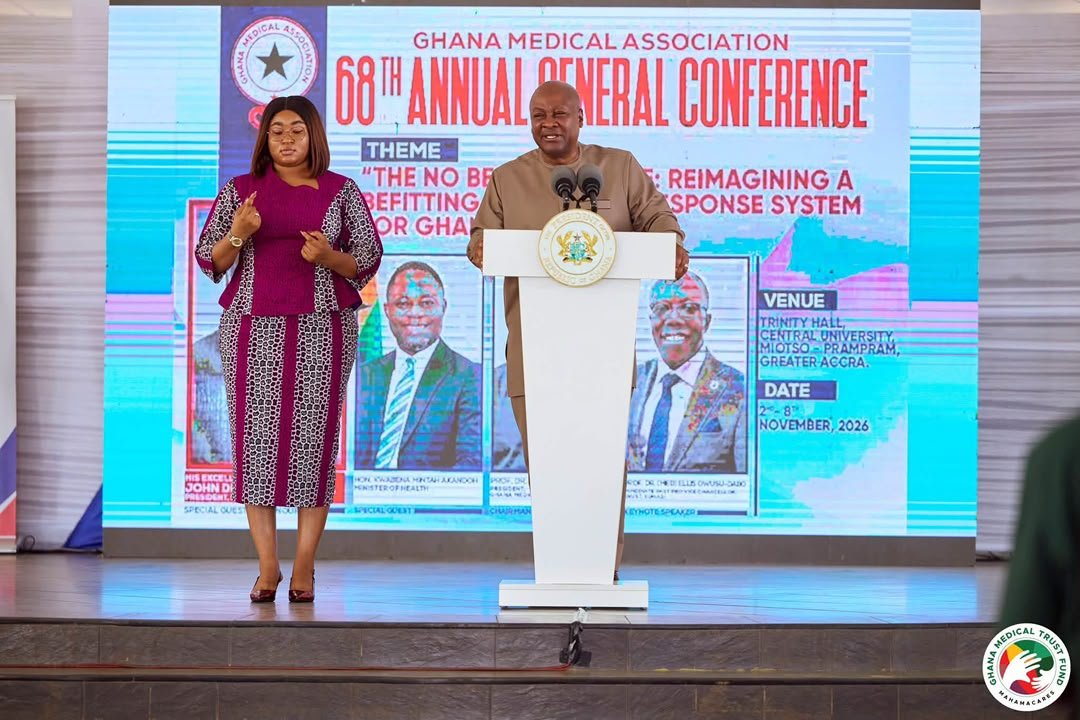
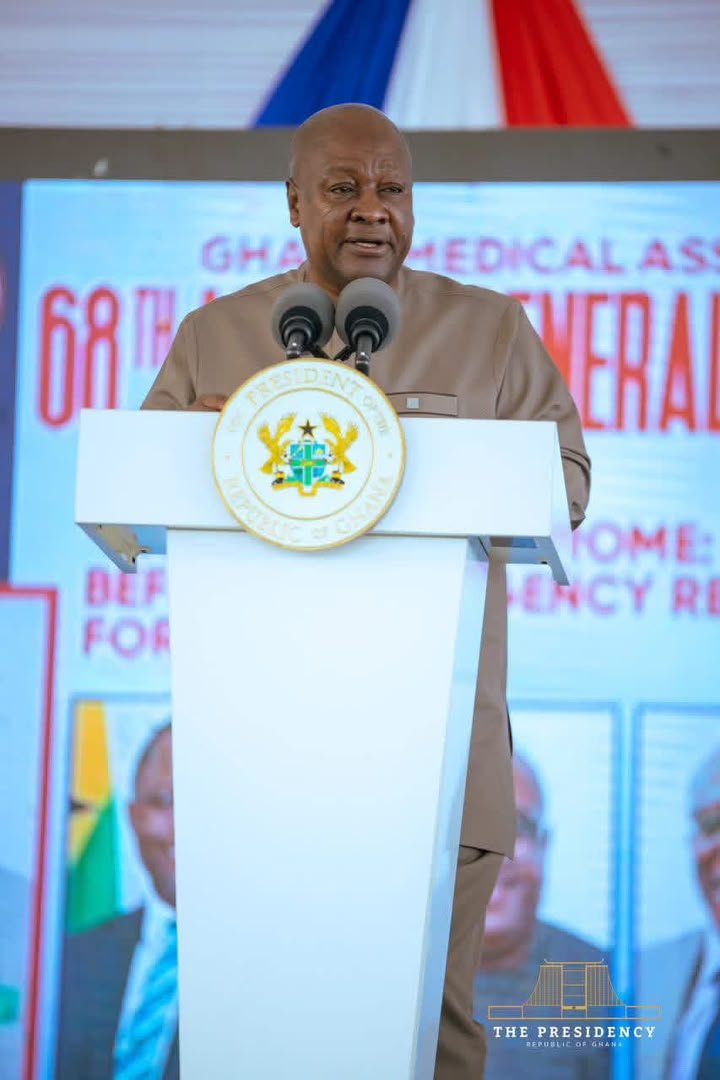
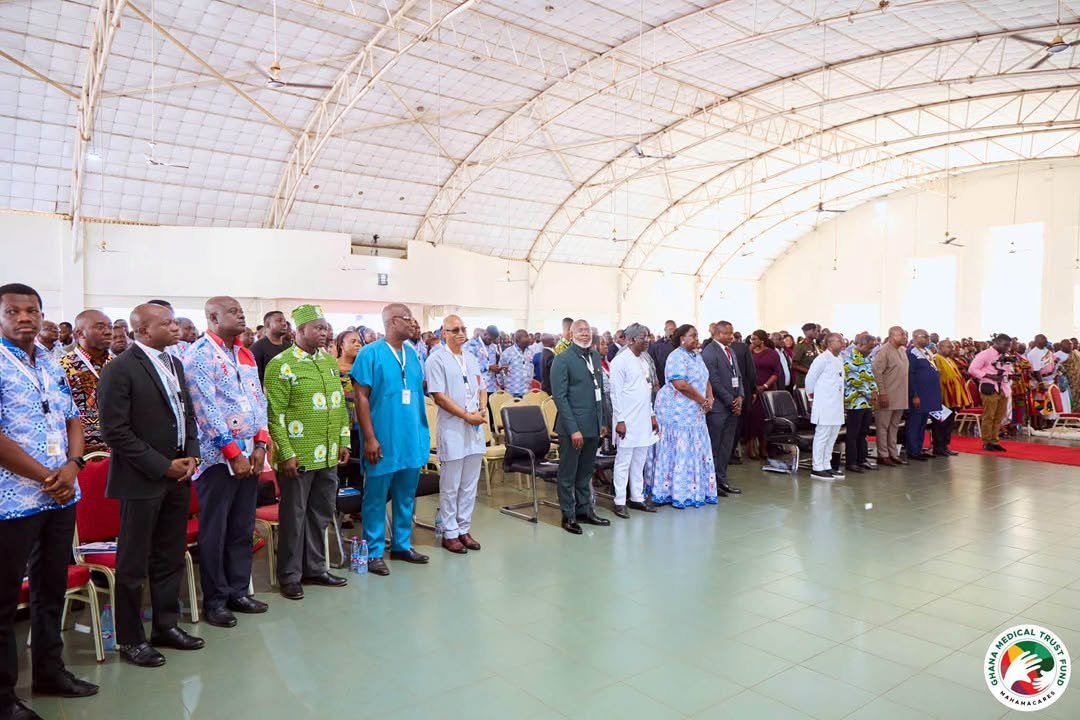
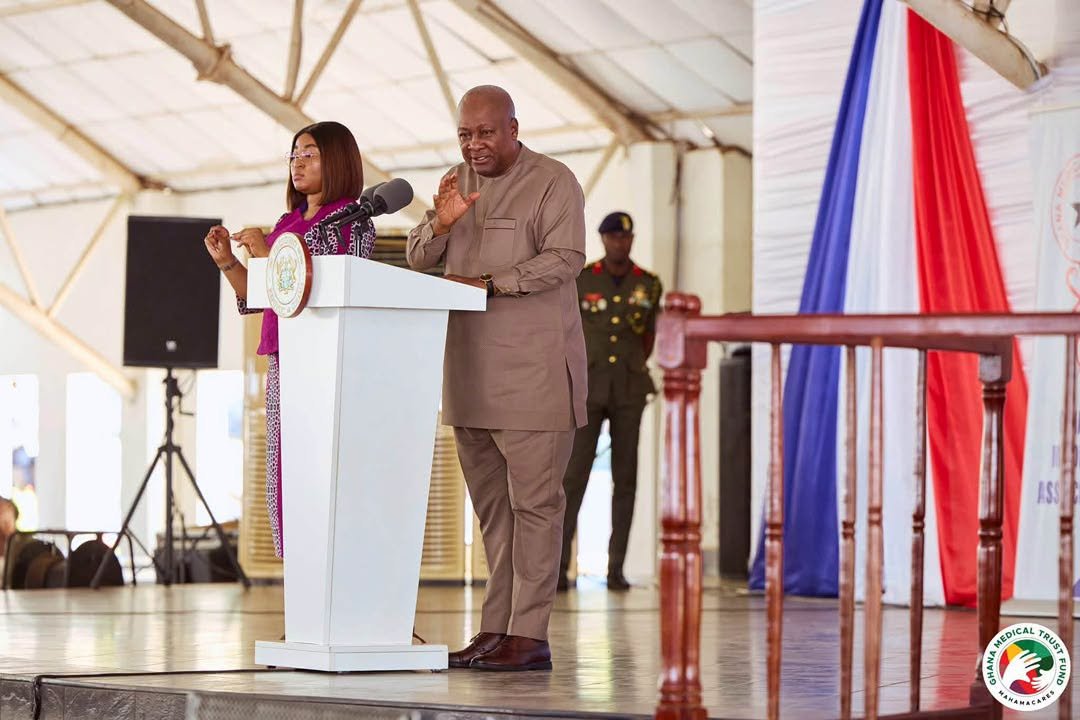
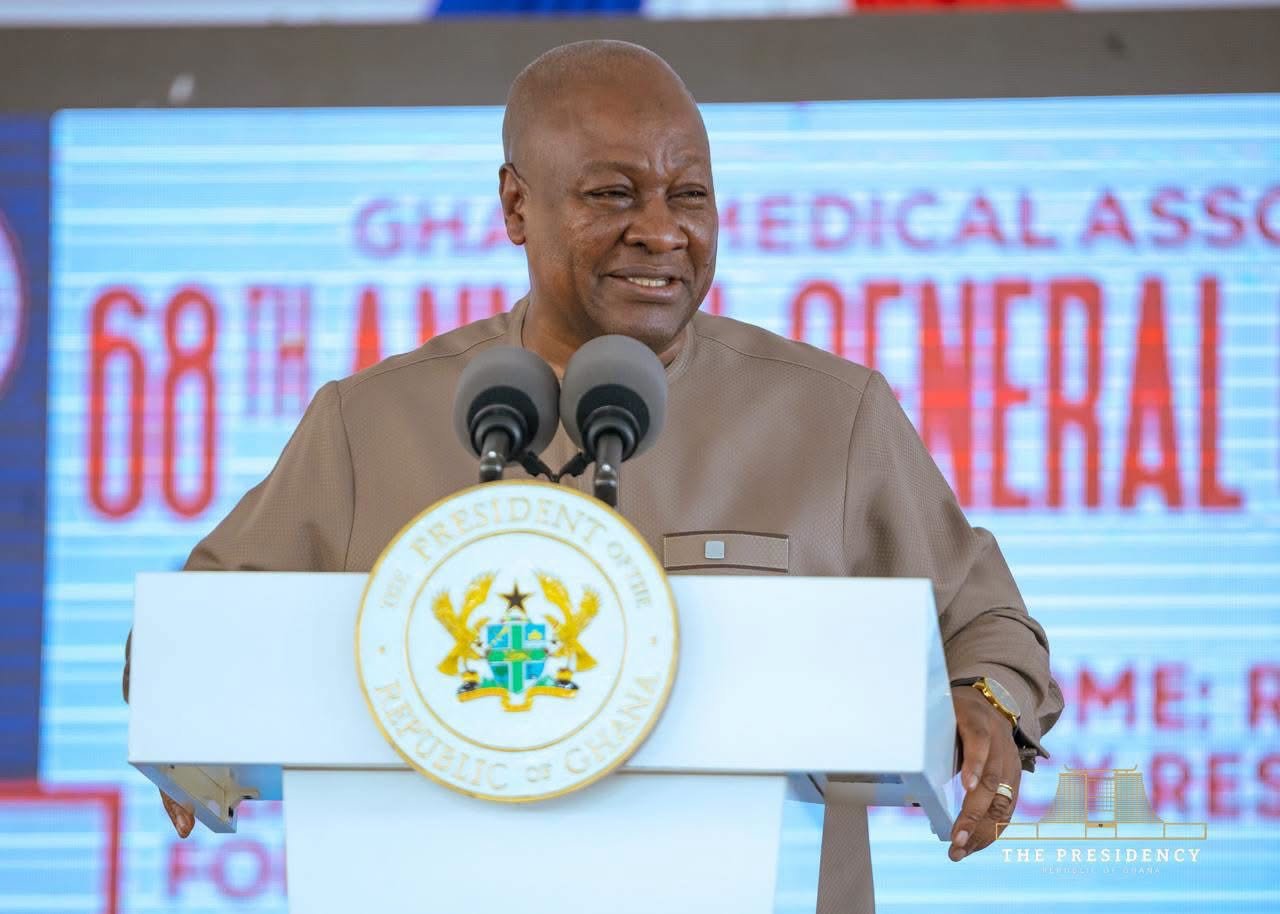
The President made these remarks while addressing the 68th Annual General Conference of the Ghana Medical Association (GMA), where he highlighted the importance of strengthening Ghana’s emergency healthcare system to address the concerns and anxieties shared by many families when loved ones require urgent medical attention.
Addressing the persistent challenge of No Bed Syndrome, President Mahama emphasised that the issue extends beyond the physical availability of hospital beds. He explained that an adequately prepared emergency care facility must also have trained healthcare professionals, functional medical equipment, oxygen and essential medical supplies to effectively receive and manage patients.
He therefore stressed the need to examine and strengthen the entire emergency healthcare pathway, ensuring that every stage of care, from emergency response and patient transfer to hospital reception and treatment, functions effectively.
As part of efforts to improve hospital emergency care capacity, the President indicated that Accident and Emergency beds in major health facilities should account for at least 10 percent of their total bed capacity. He further announced that expansion works to support this objective are expected to commence next year.
The announcements underscore Government’s continued focus on strengthening emergency healthcare infrastructure, improving ambulance availability and addressing capacity gaps across the health delivery system.
For the National Ambulance Service, the commitments to procure additional ambulances and restore grounded vehicles represent important interventions towards improving fleet availability, strengthening operational readiness and ensuring that more communities have access to timely prehospital emergency medical care.