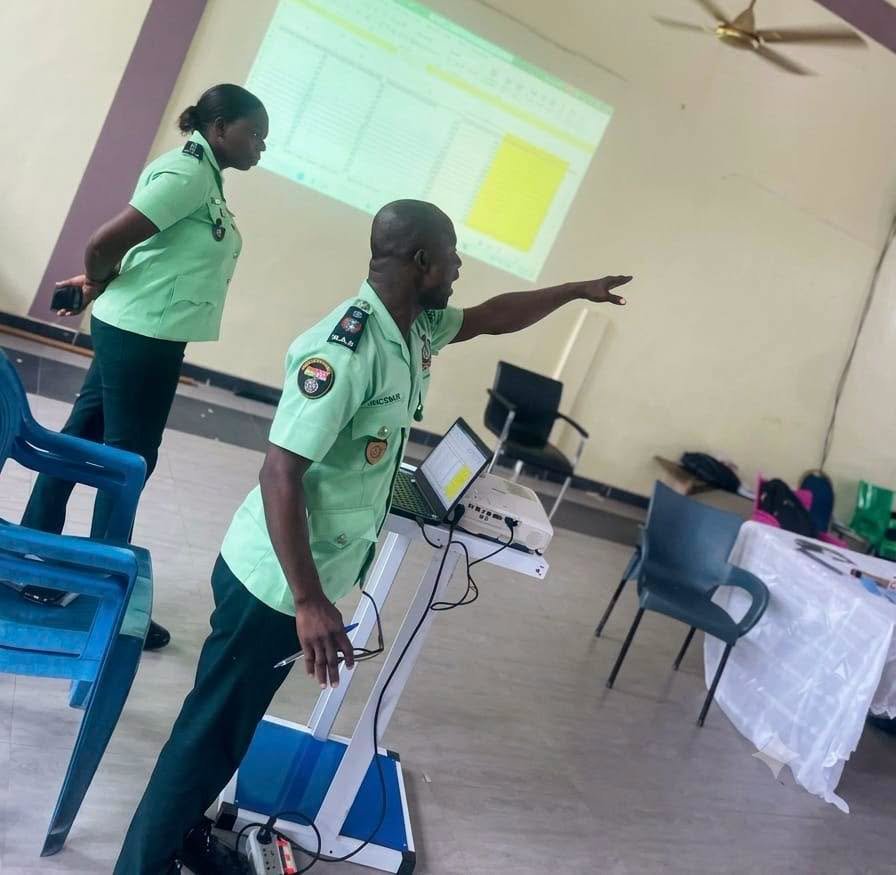
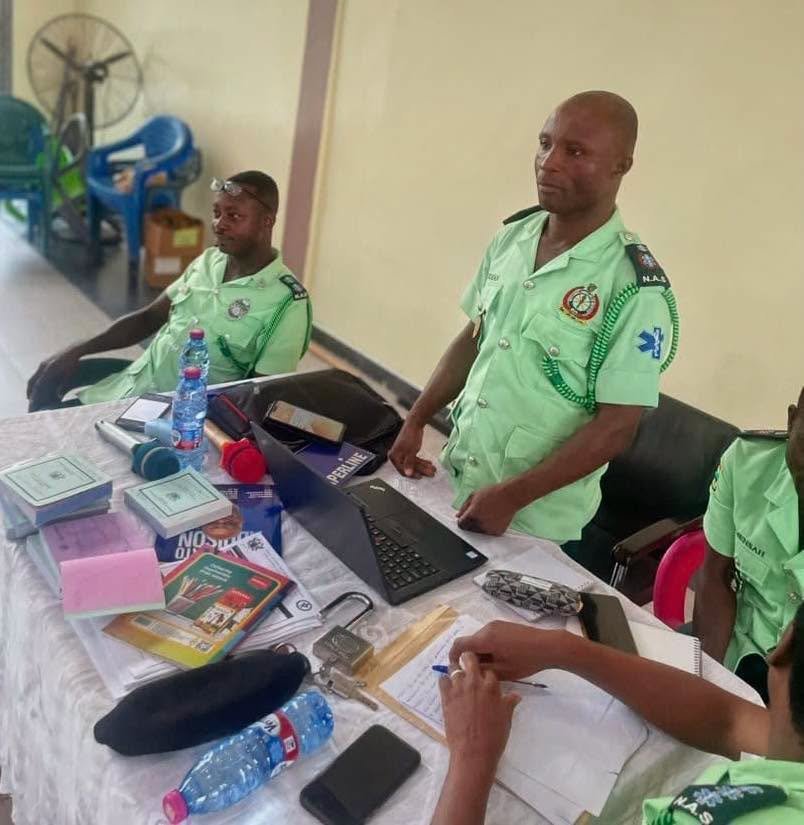
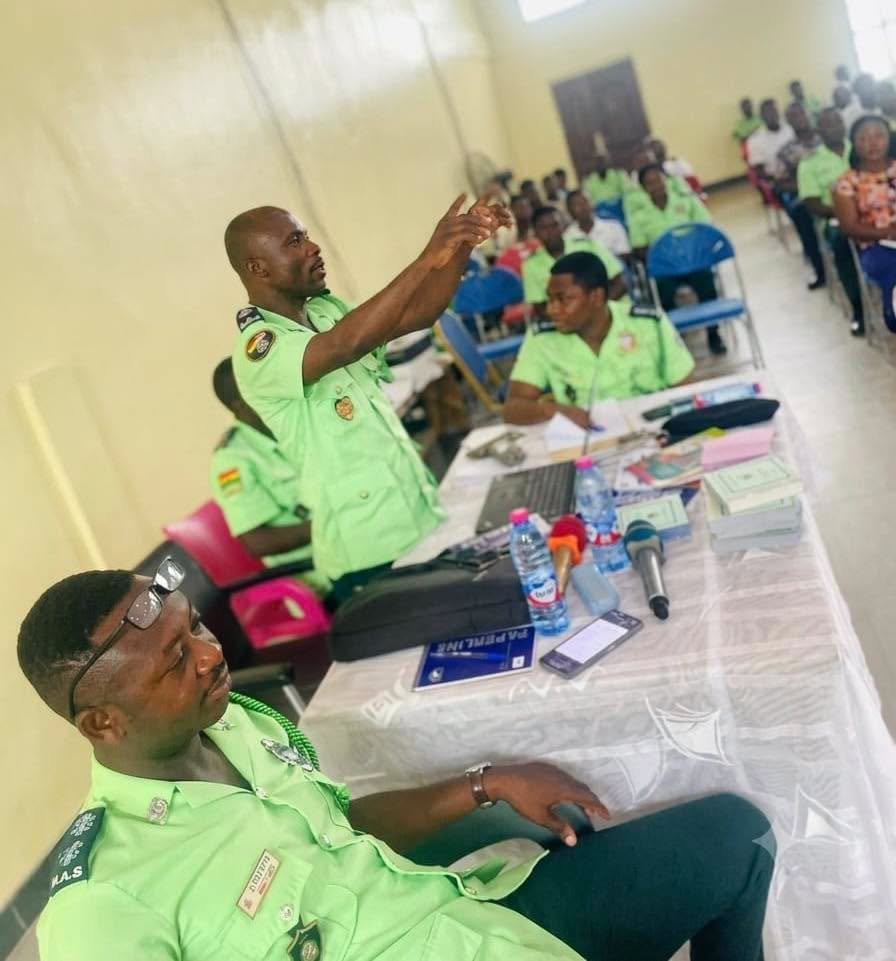
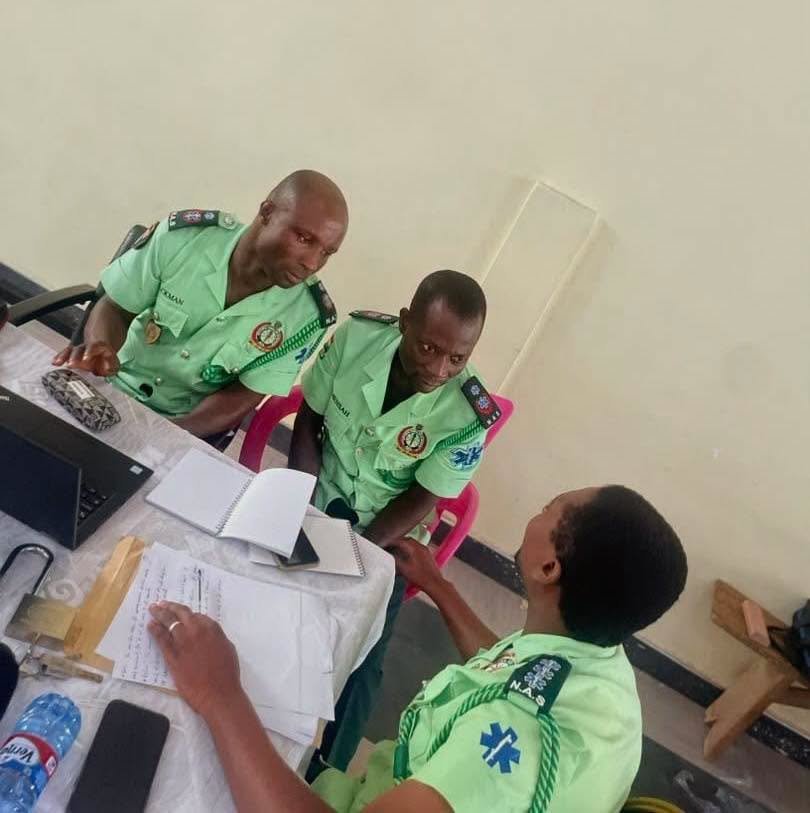
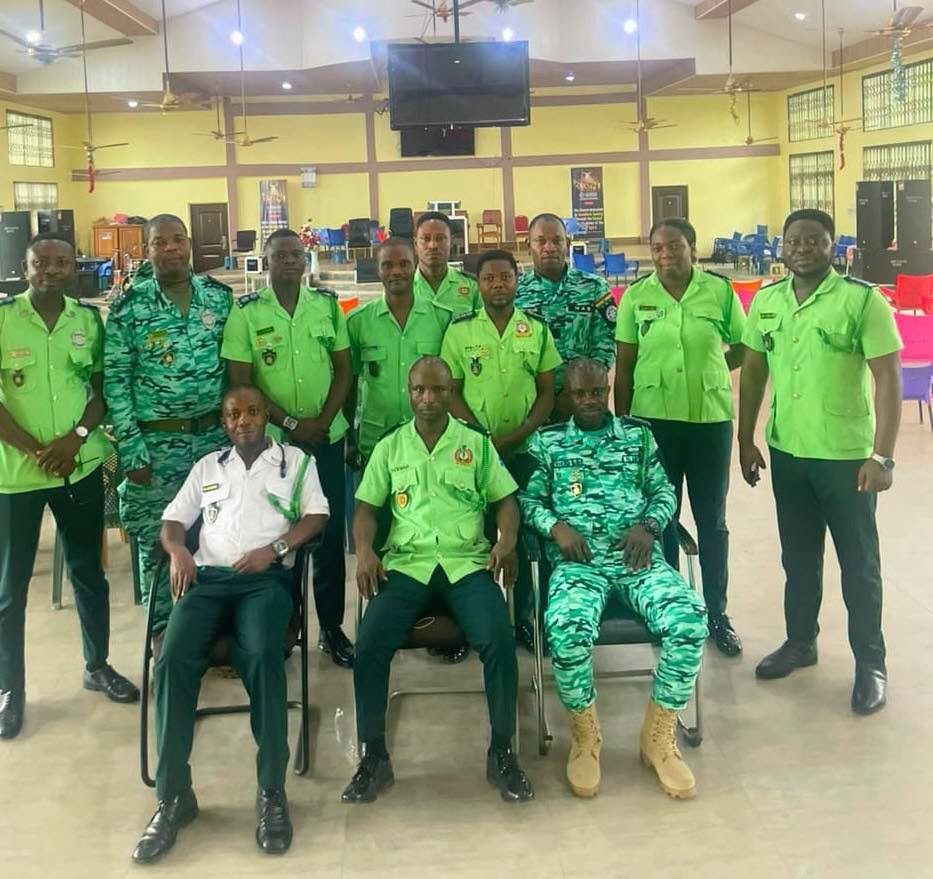
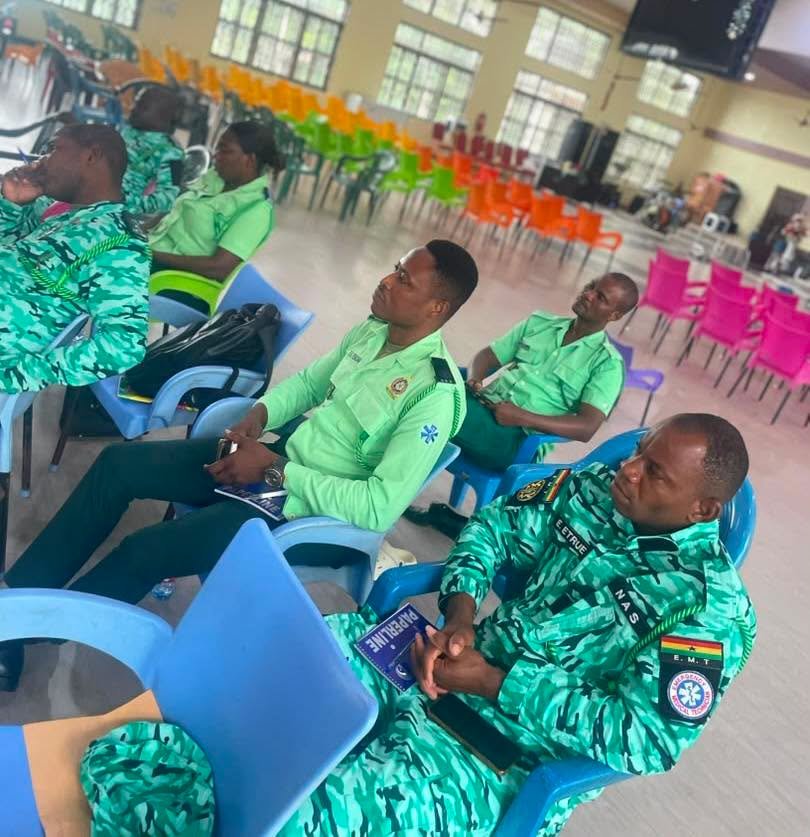
The National Ambulance Service (NAS) Western North Region has held a strategic planning meeting aimed at advancing the implementation of its 2026–2028 Work Plan and aligning regional priorities with the Service’s broader transformational agenda.
Participants included the Regional Head of Emergency Medical Dispatch, Regional Fleet Manager, Regional Public Relations Officer (PRO), Regional Clinical Auditor, Regional Head of Training and Development, Regional Accounts Officer, and Regional Head of Information Technology (IT).
In his opening remarks, the Acting Regional Administrative Manager, DCAEMT James Hackman, underscored the importance of the meeting and the critical role of the Western North Region in supporting the National Ambulance Service’s strategic objectives. He highlighted the Chief Executive Officer’s vision of retooling the Service, enhancing staff development and welfare, and improving patient outcomes across the country.
DCAEMT Hackman encouraged participants to contribute innovative and practical ideas that would facilitate the effective implementation of the strategic initiatives. He stressed the need for commitment, collaboration, and proactive leadership at all levels to ensure the successful realization of the Service’s goals.
Providing an overview of the region’s performance, DCAEMT. Hackman disclosed that the Western North Region successfully responded to 334 emergency medical cases during the first half of 2026, representing an increase from the 291 cases recorded during the corresponding period in 2025. He also reported a fleet availability rate of 70 percent, describing the achievement as a reflection of the region’s dedication to maintaining operational readiness despite prevailing challenges.
Deliberations during the meeting focused on several operational and administrative priorities, including strategies to improve emergency response times, optimize ambulance fleet management, and strengthen maternal emergency care and transportation services. Participants also discussed the region’s preparedness to support the Chief Executive Officer’s agenda of transforming pre-hospital emergency care delivery through a gradual transition from predominantly Basic Life Support (BLS) practices to Advanced Life Support (ALS) services, a move expected to significantly enhance the quality of emergency medical care available to patients.
Further discussions centered on strengthening electronic patient health records management, promoting continuous professional development for staff, and implementing measures to improve staff welfare. The meeting also reviewed the region’s mid-year performance for 2026, assessed key activities undertaken during the period, explored opportunities to deepen stakeholder engagement and strategic partnerships, and considered preparations for the upcoming virtual staff durbar, among other critical operational matters.
The meeting concluded with a renewed commitment from participants to work collaboratively towards achieving the objectives outlined in the 2026–2028 Work Plan and supporting the National Ambulance Service’s vision of delivering responsive, efficient, and high-quality pre-hospital emergency care across Ghana.