← Back to Newsroom
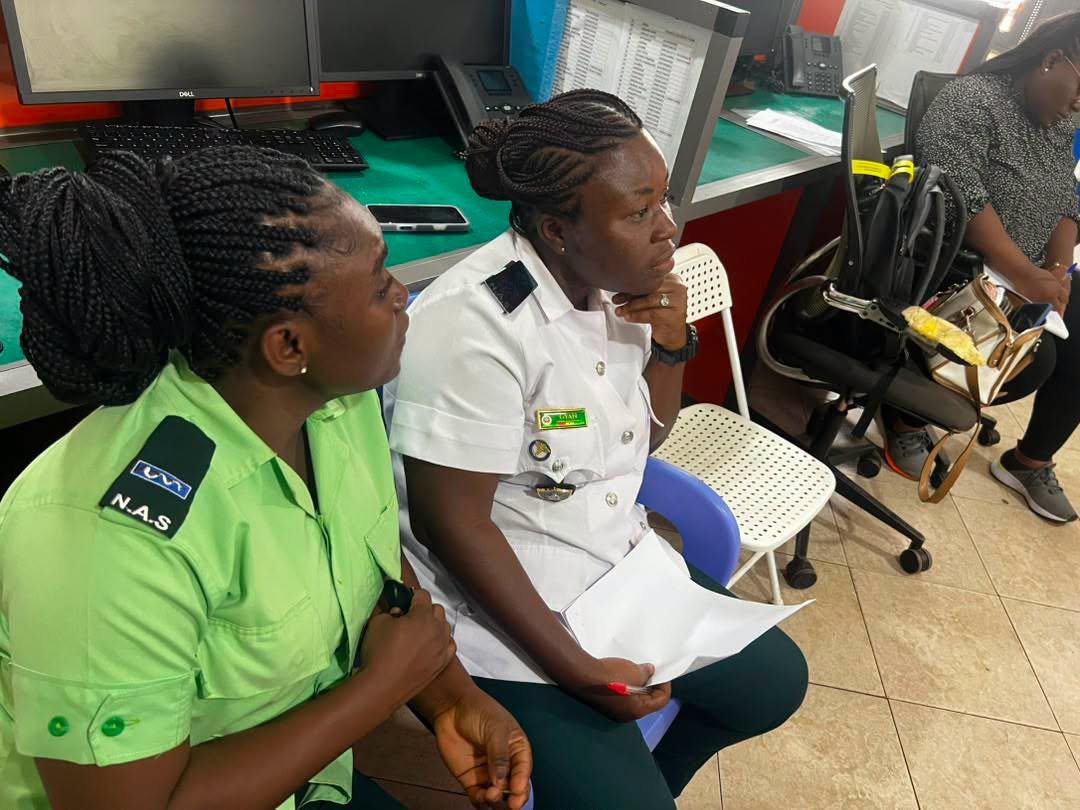
In a significant step toward improving emergency referral coordination and addressing the longstanding challenge of the “No Bed Syndrome,” Emergency Medical Technicians (EMTs) at the Ashanti Regional Dispatch Centre of the National Ambulance Service (NAS) have undergone training on the Integrated Bed Management and Referral Coordination System (IBMRCS).
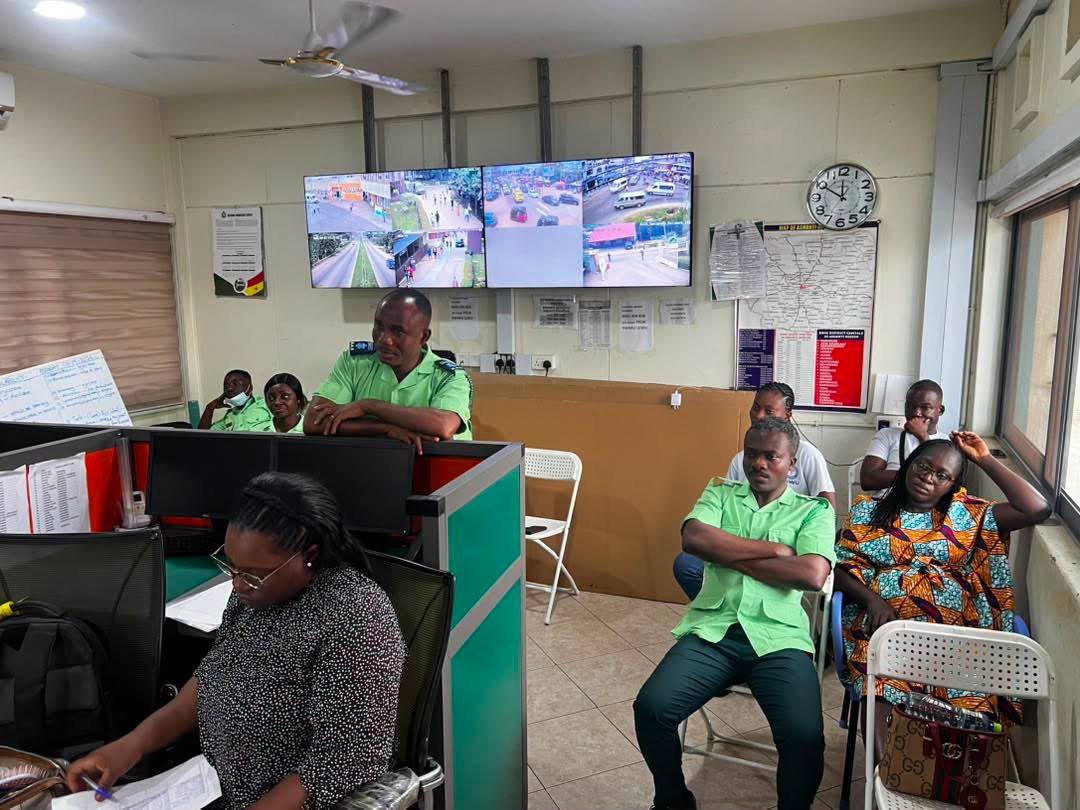
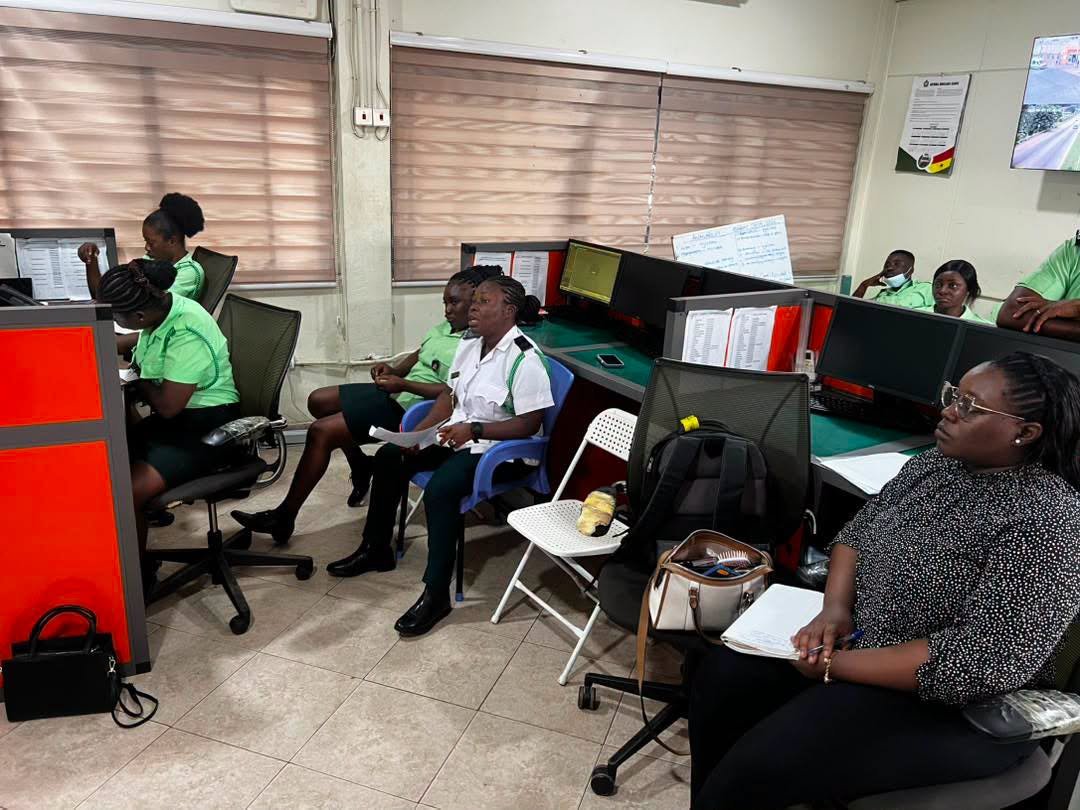
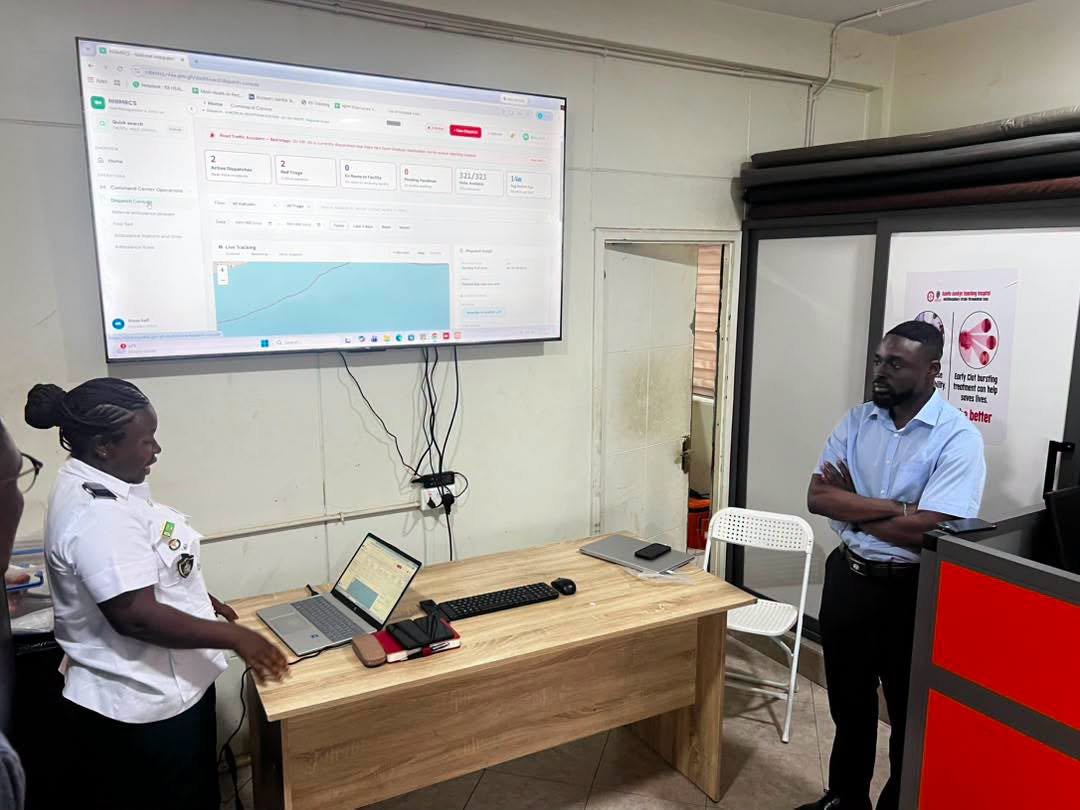
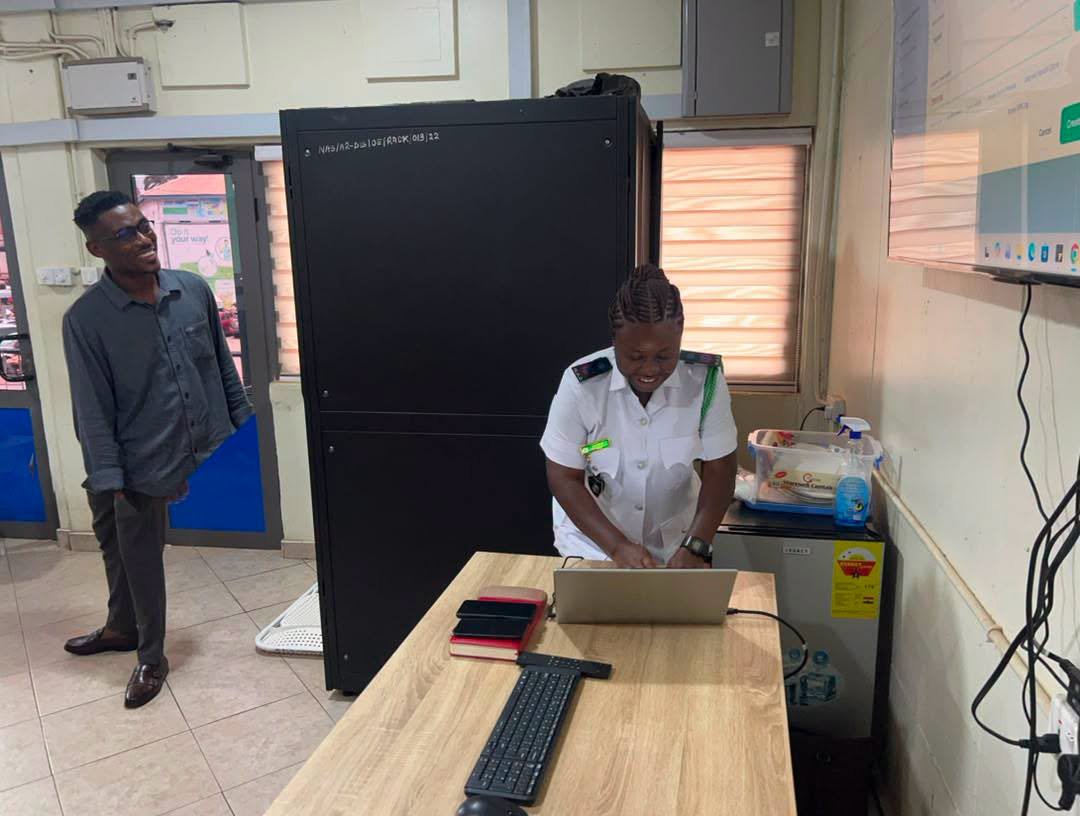
The one-day training, held on Monday, 7 September 2026, at the Regional Dispatch Centre in Adum, equipped EMTs with practical knowledge on the use of the digital platform, which is designed to strengthen communication and coordination between the National Ambulance Service and healthcare facilities across the country.
Facilitated by Mr. Jeffery Anyakpah, the session highlighted the critical role of the IBMRCS in providing real-time information on hospital capacity, bed availability, and specialized services offered by health facilities. This information will enable Dispatch personnel to make informed referral decisions and direct patients to facilities best suited to their medical needs.
Participants were reminded that while bed availability is an important factor, it must be considered alongside the patient’s condition and the facility’s capacity to provide the required level of care. The training also underscored the importance of ensuring that information entered into the system remains accurate, timely, and regularly updated.
The highly interactive session provided EMTs with the opportunity to discuss real-life operational challenges encountered during emergency dispatches. Discussions focused on managing critical cases when suitable beds are unavailable, handling referral coordination, addressing discrepancies between system data and actual hospital conditions, and maintaining continuity of communication during network or system disruptions.
Facilitators emphasized that the success of the IBMRCS will depend on strong collaboration and effective communication between Dispatch Centres and healthcare facilities, ensuring that emergency patients receive timely and appropriate care.
By the end of the training, participants had gained a deeper appreciation of how the system can streamline referral processes, reduce delays in patient handover, minimize ambulance waiting times at health facilities, and improve ambulance availability for responding to other emergencies.
The training forms part of ongoing efforts by the National Ambulance Service to leverage technology and innovation to enhance prehospital emergency care delivery and strengthen Ghana’s emergency response system.