Boosting Emergency Care: NAS Trains Hundreds Under HOPE-MCH Project to Save Mothers and Children
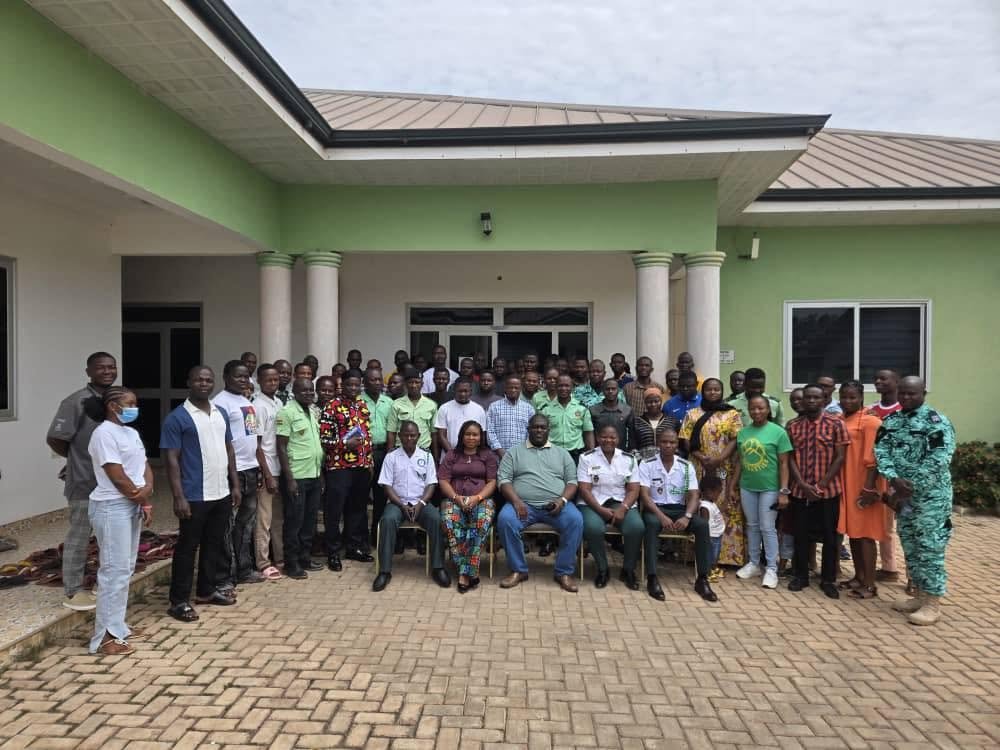
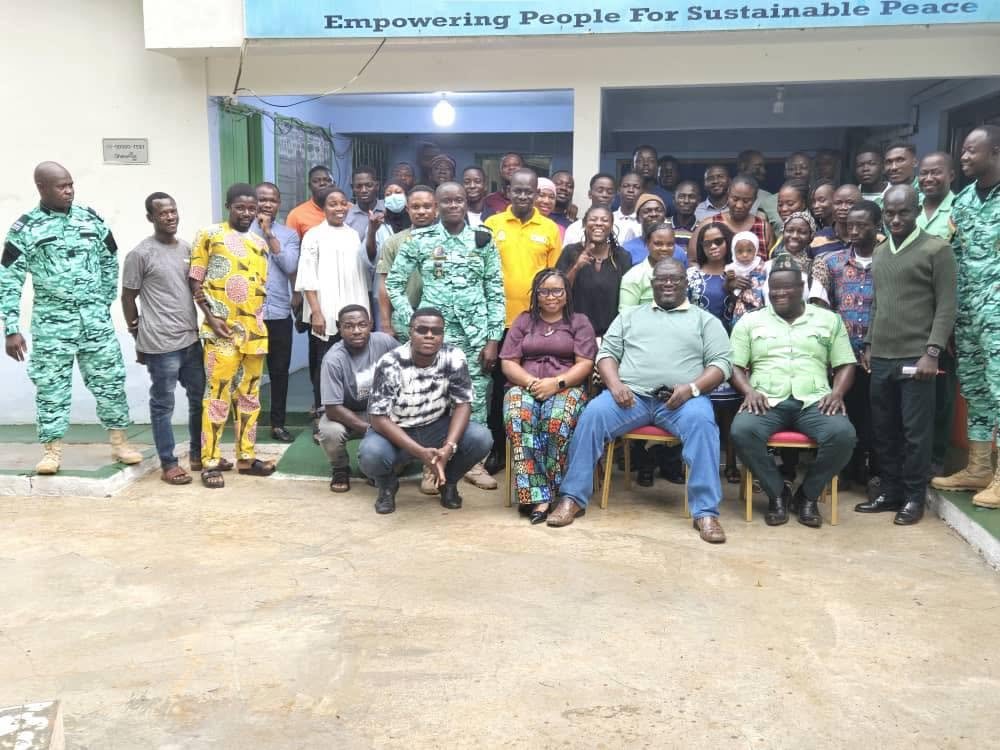
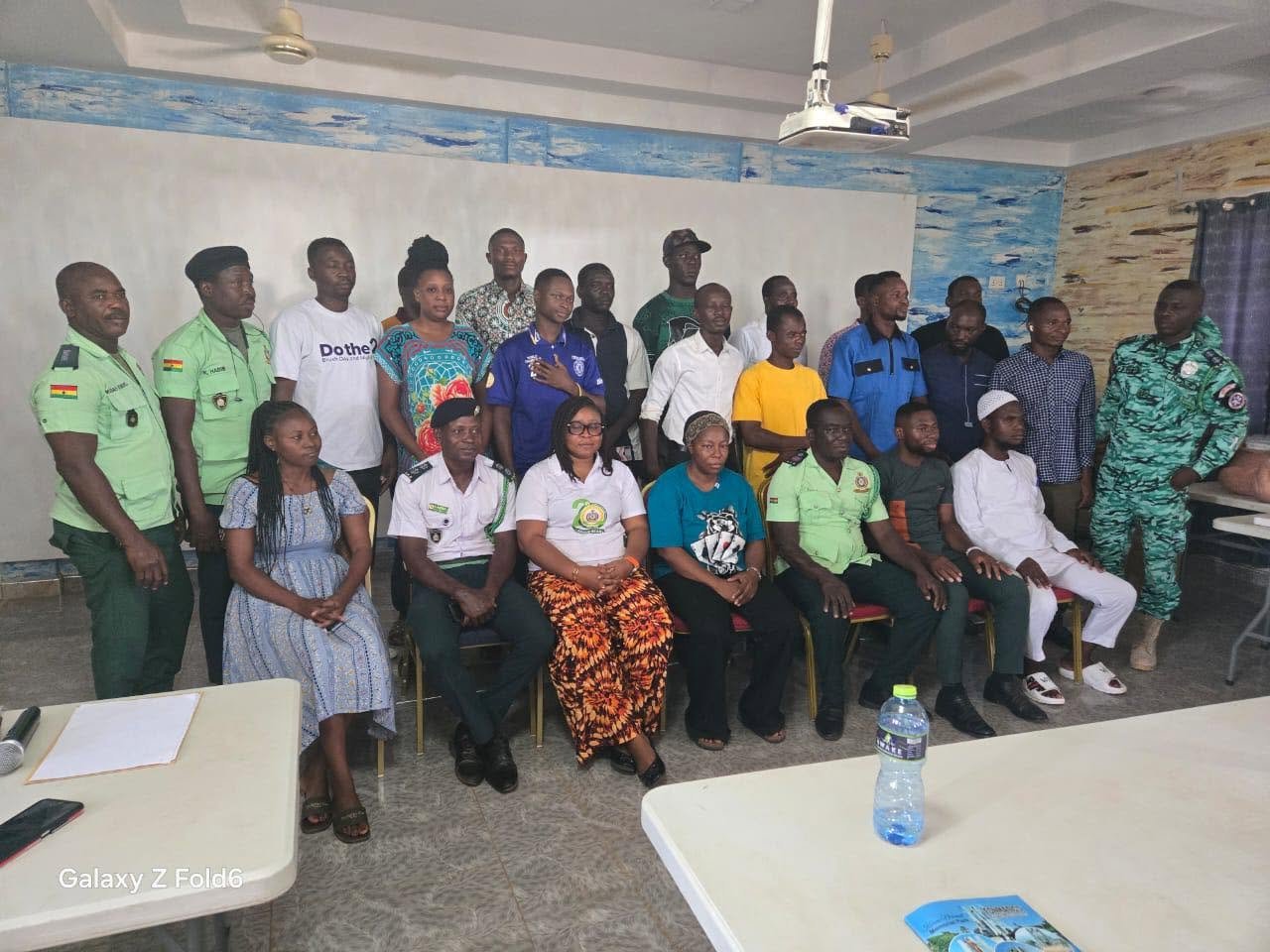
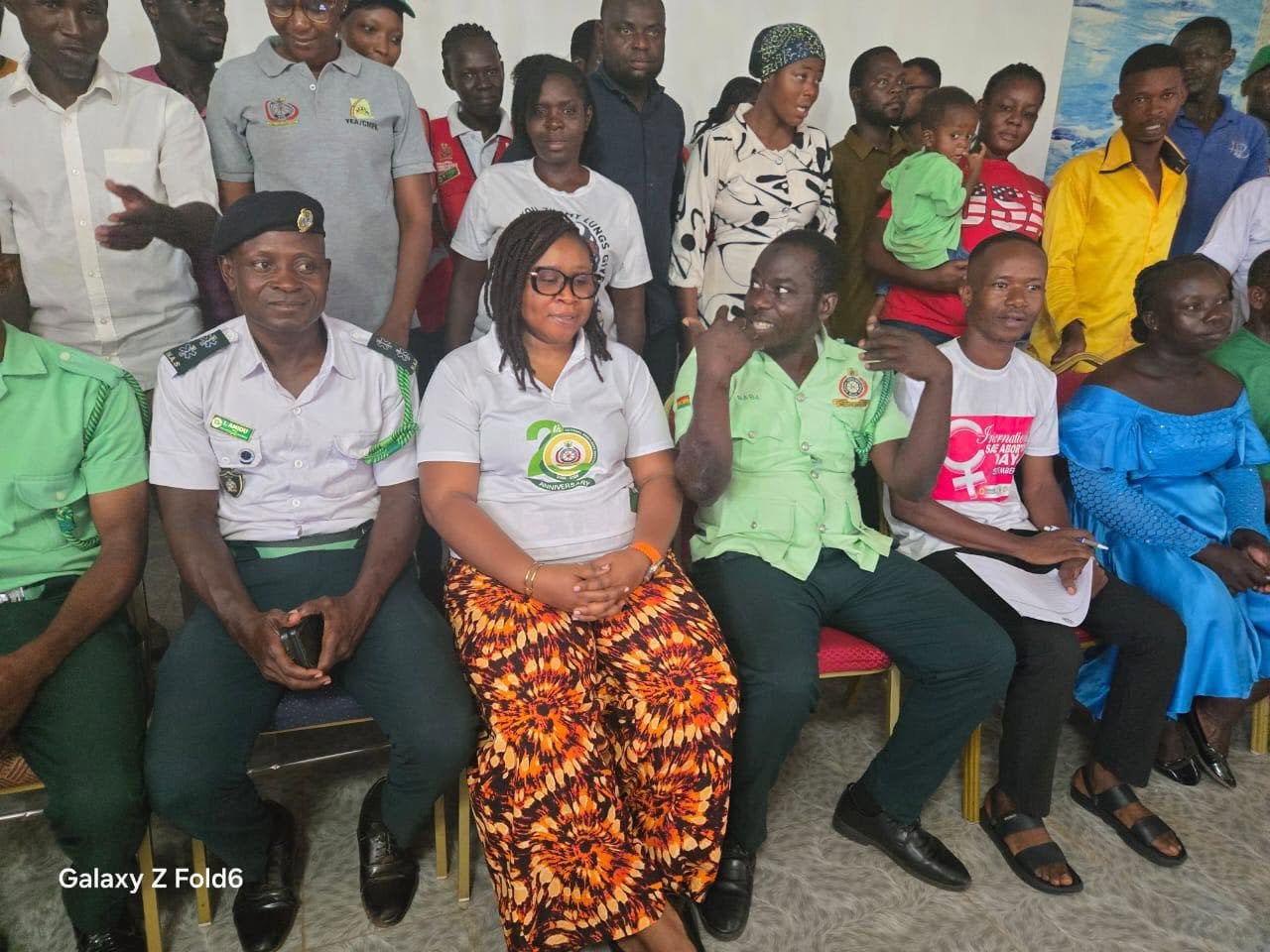
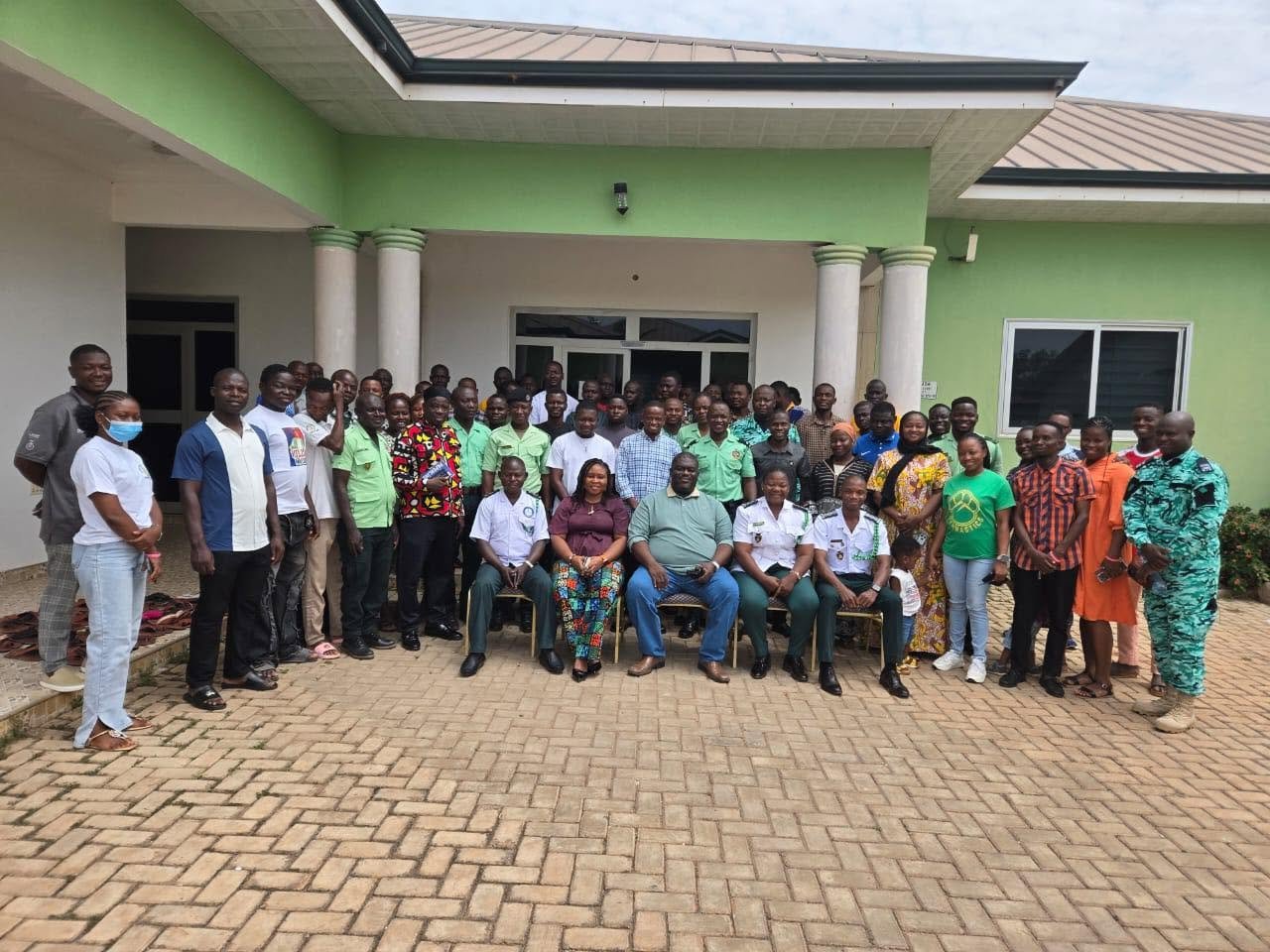
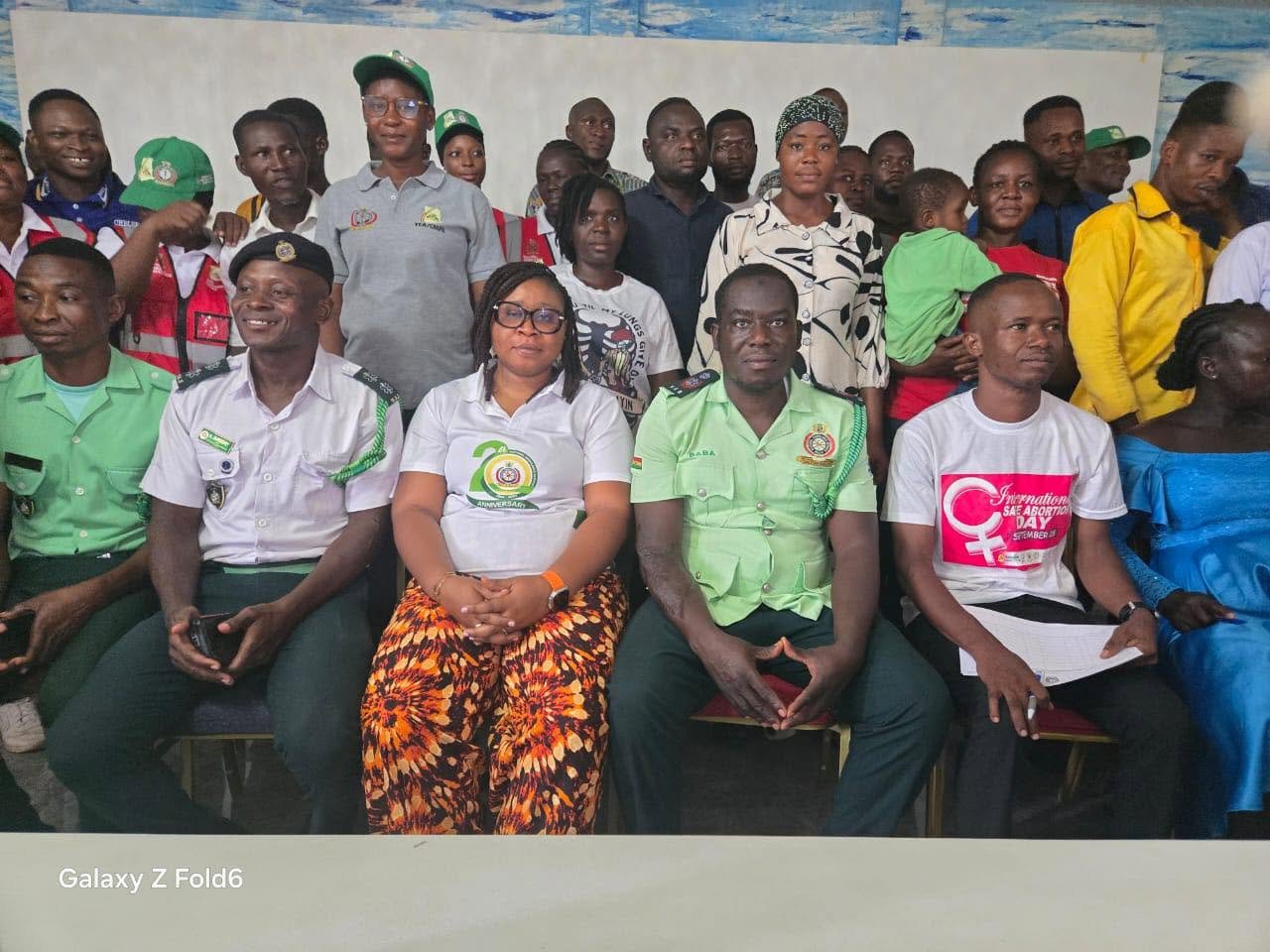
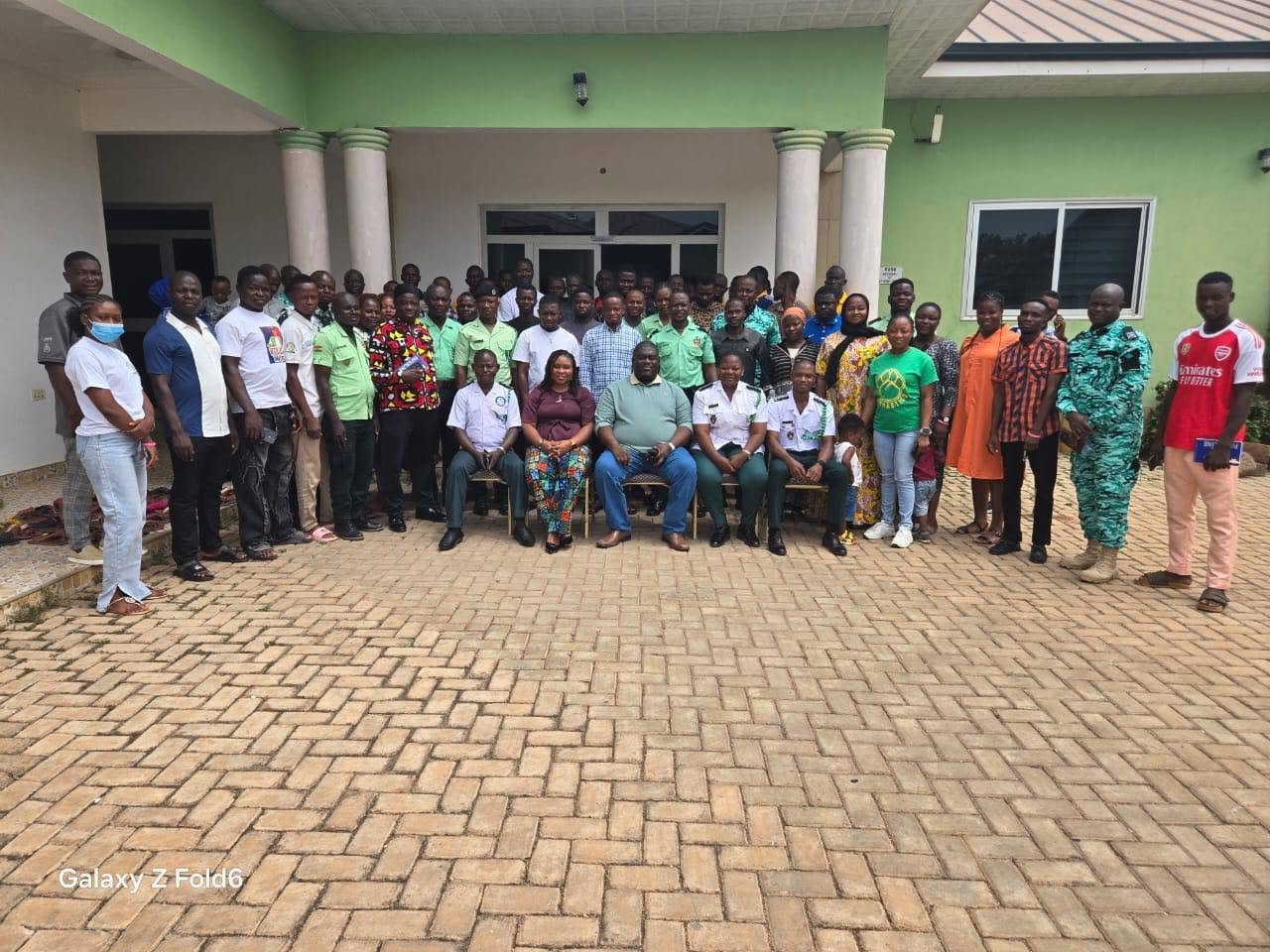
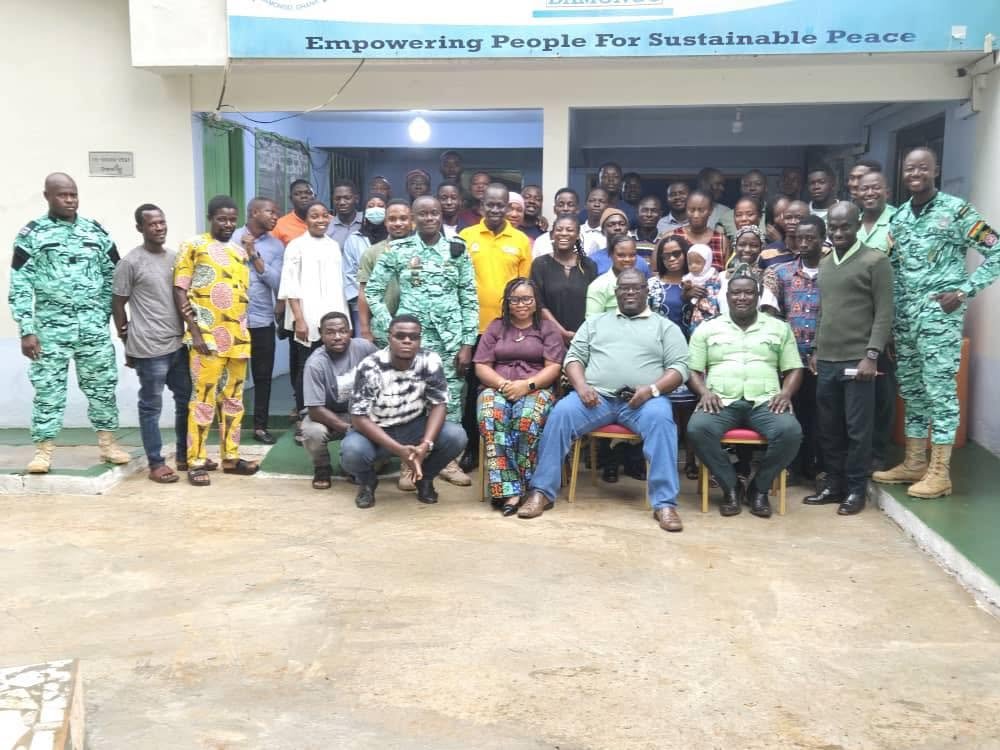
The National Ambulance Service (NAS), in partnership with Catholic Relief Services (CRS), the Ghana Health Service (GHS), and with funding support from The Church of Jesus Christ of Latter-day Saints (LDS), has successfully completed regional emergency response trainings under the HOPE-MCH Project across ten districts in the Northern, North East, Savannah, and Upper East Regions.
The initiative is aimed at strengthening community emergency transport and referral systems to improve maternal and child health outcomes, especially in underserved communities where timely access to healthcare remains a challenge.
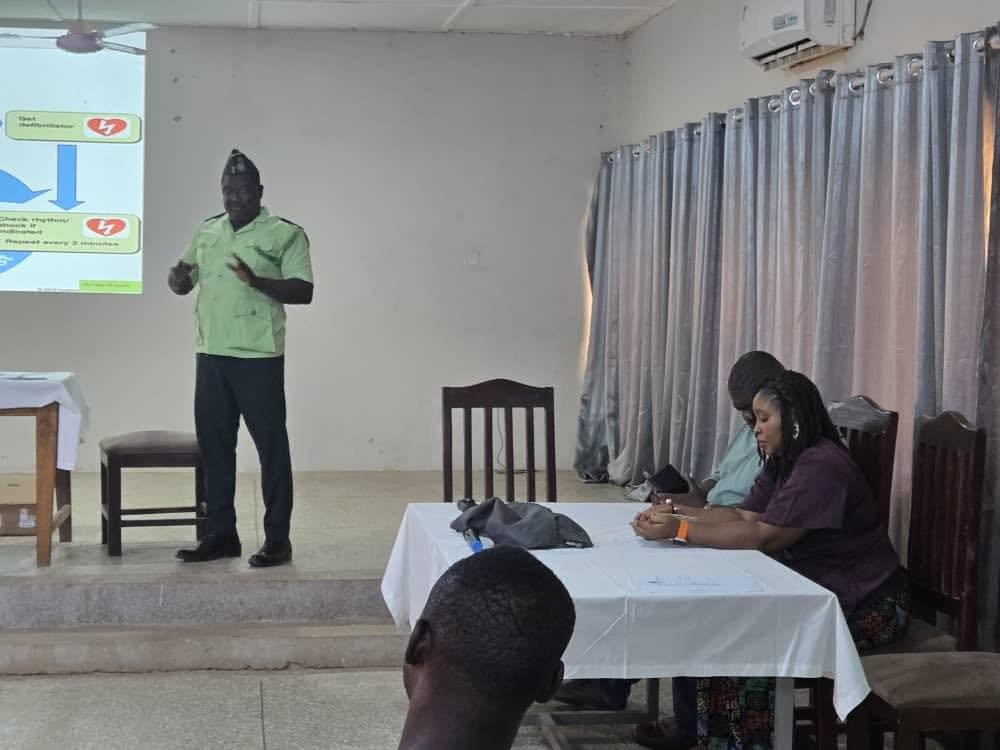
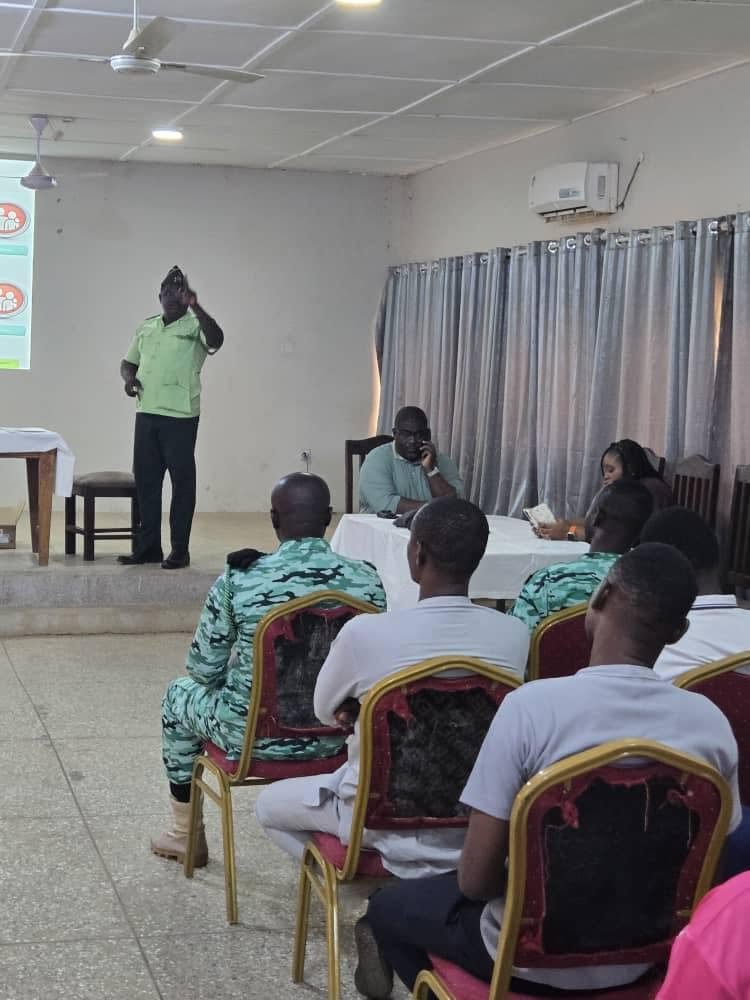
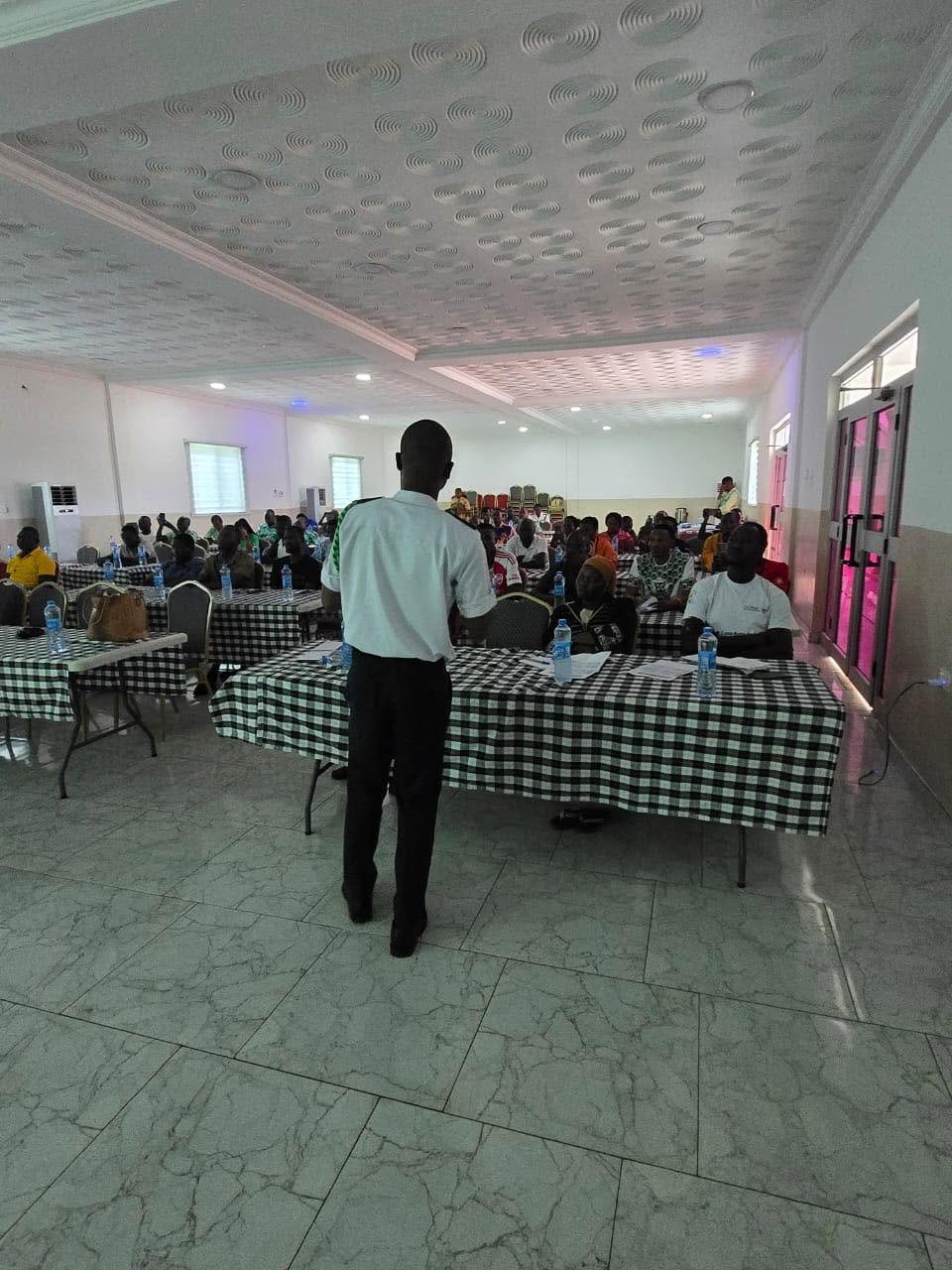
Through the programme, over 300 frontline health workers, 150 Motor King/Motor Tricycle (MMT) drivers, and Emergency Medical Technicians (EMTs) received intensive training in emergency dispatch, referral communication, and pre-hospital emergency care.
Using practical, simulation-based training methods—including role plays, trauma drills, and structured communication exercises—participants gained hands-on experience to improve both their confidence and emergency response capabilities.
The training has already led to improved coordination between communities, transport providers, and health facilities, while significantly enhancing the competence of participants in handling emergencies and patient referrals.
Though challenges such as logistical coordination across districts and varying literacy levels were encountered, valuable lessons were learned on the importance of stakeholder engagement, practical training approaches, and transparent systems to ensure long-term sustainability.
To build on these gains, recommendations have been made for continuous refresher trainings, stronger monitoring systems, dedicated funding support, and expansion of the programme to more districts nationwide.
This initiative marks a major step toward building a stronger, more resilient community-based emergency response system and reducing preventable maternal and child deaths across Ghana.