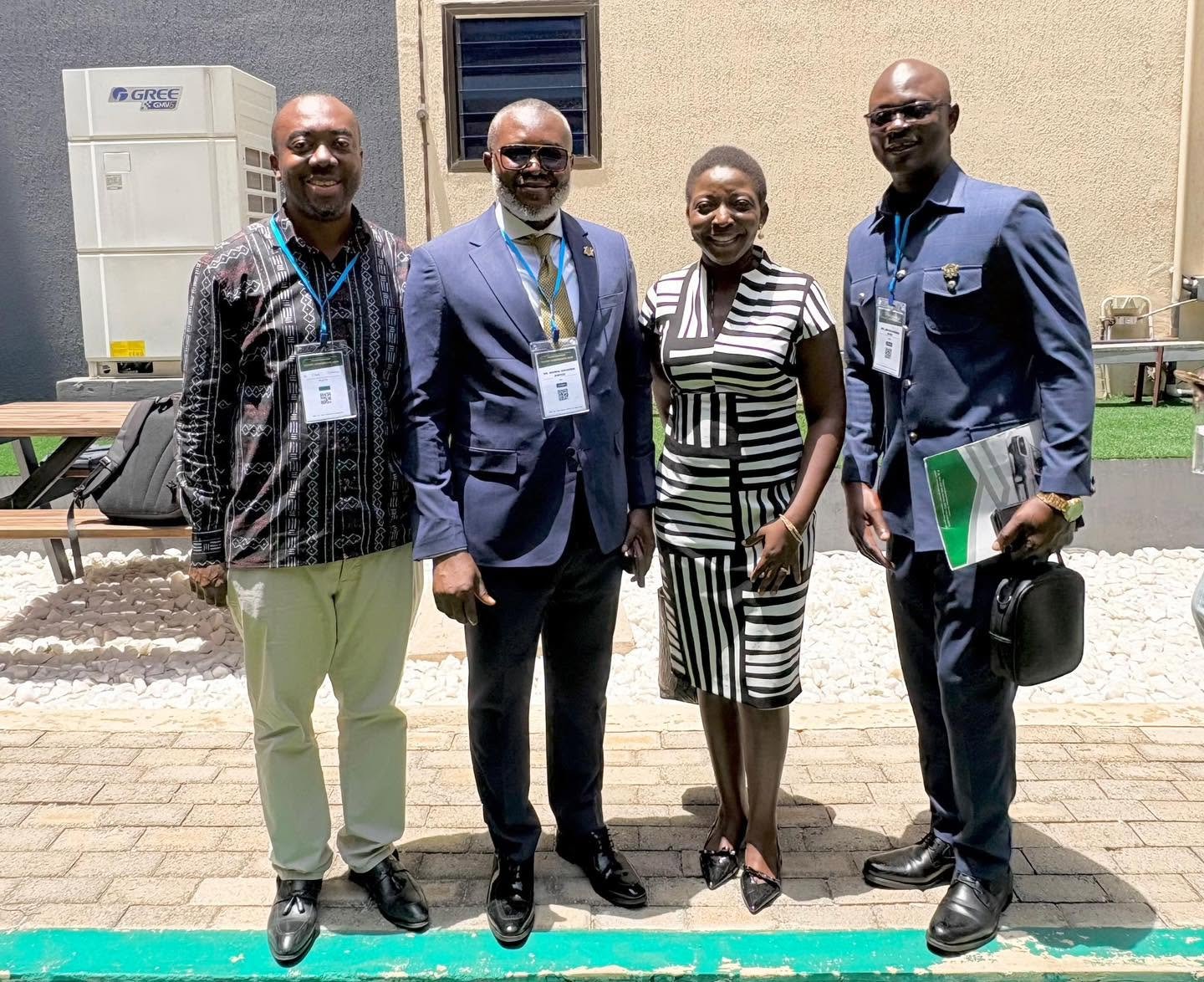
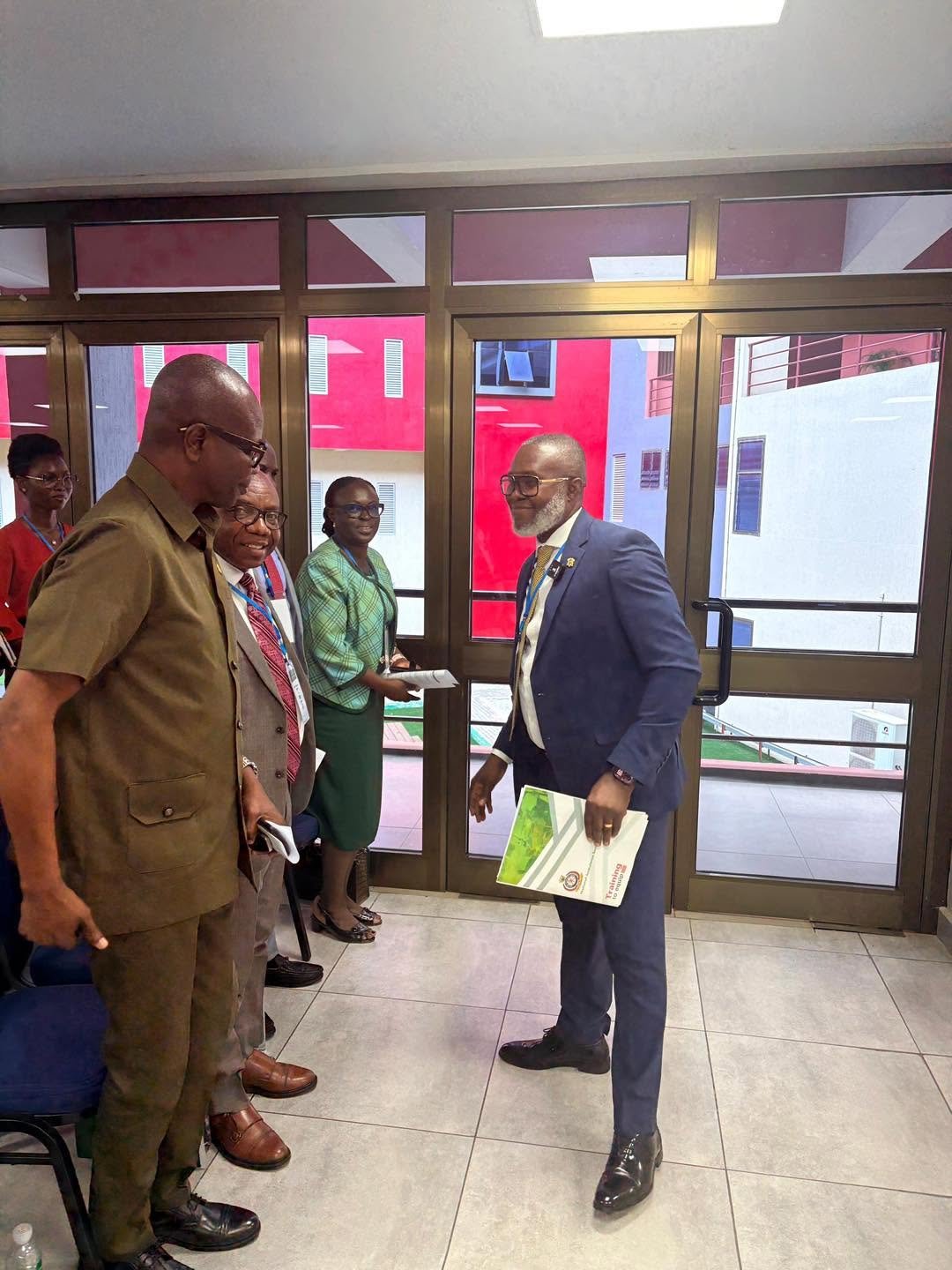
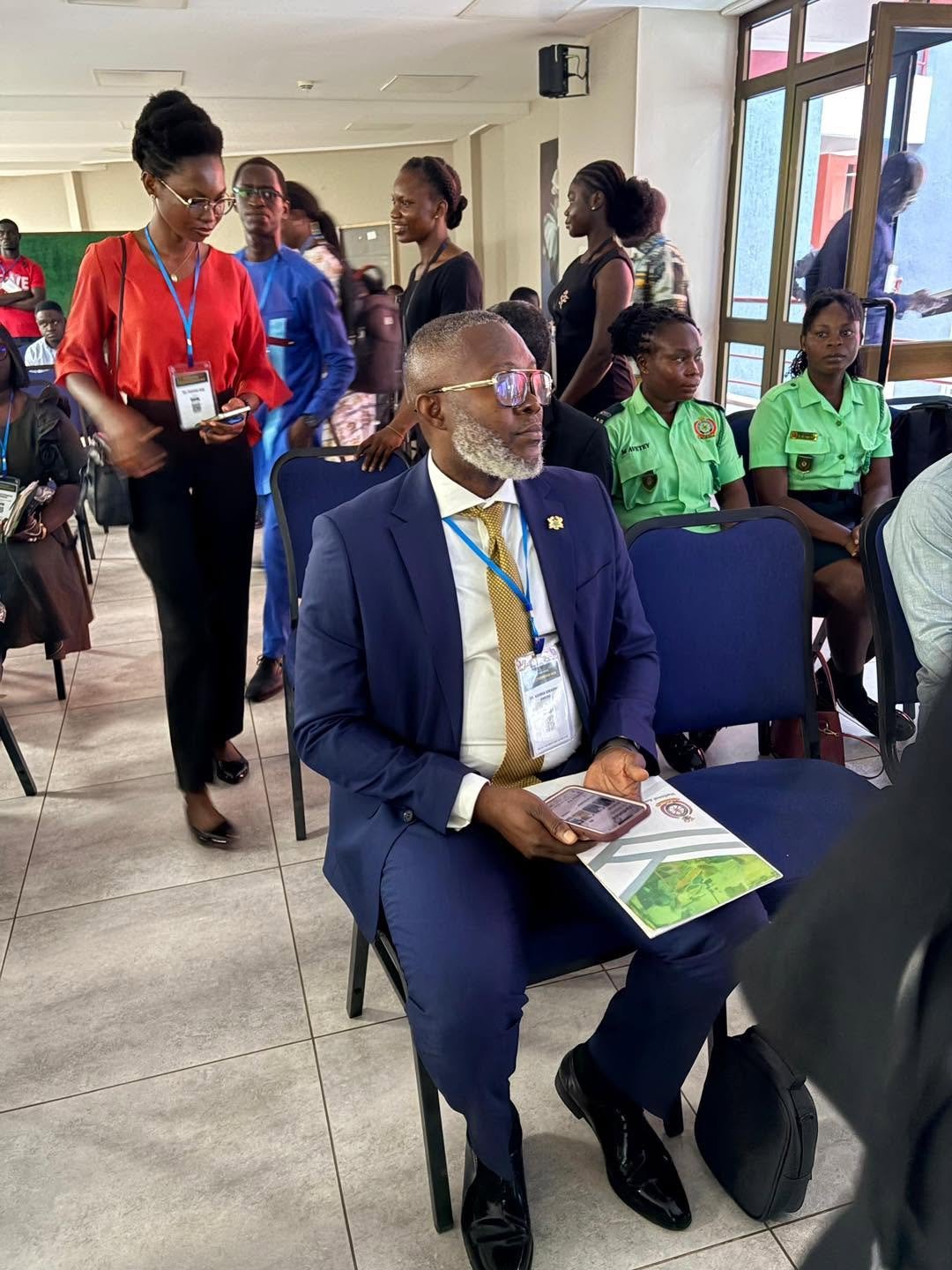
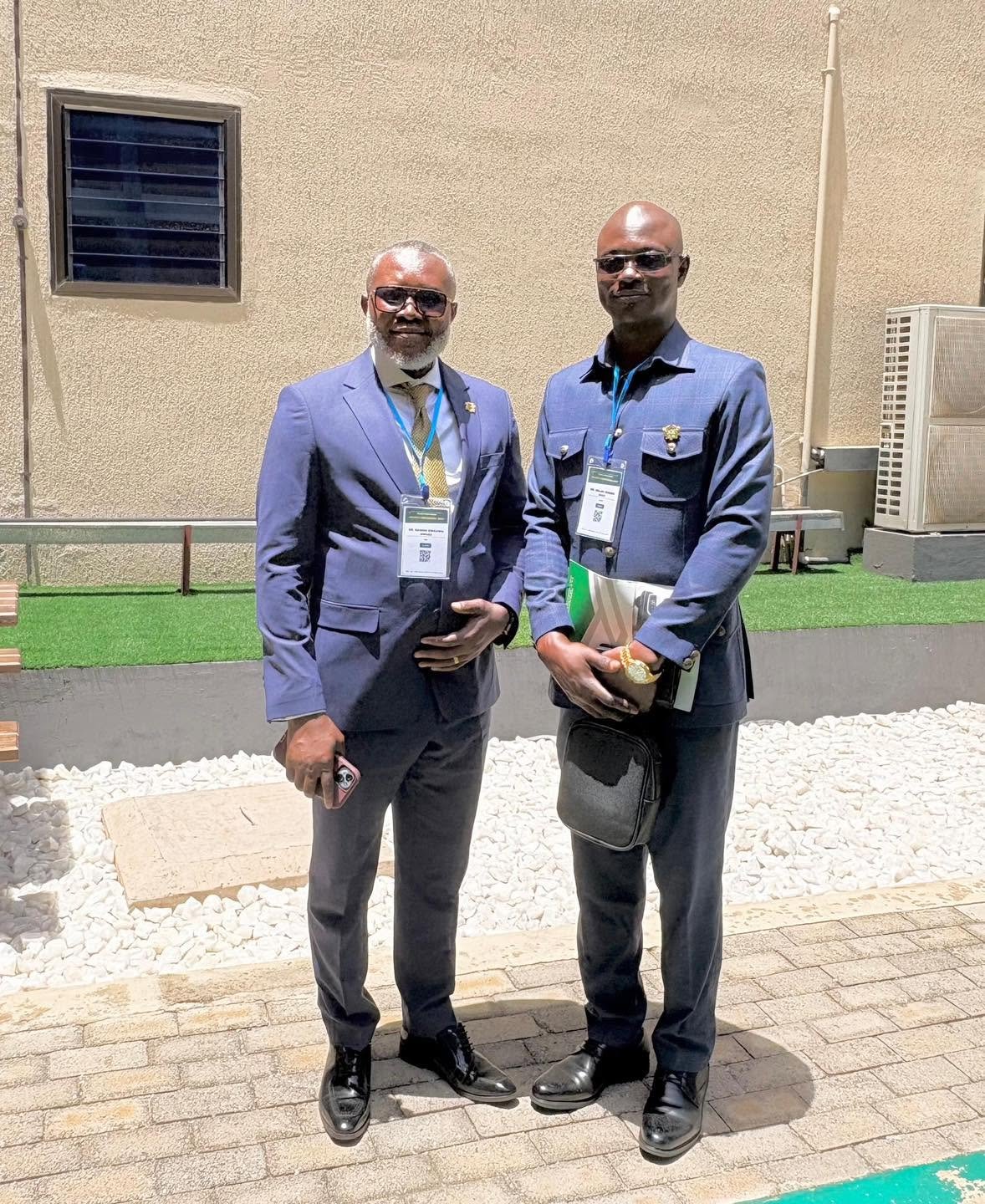
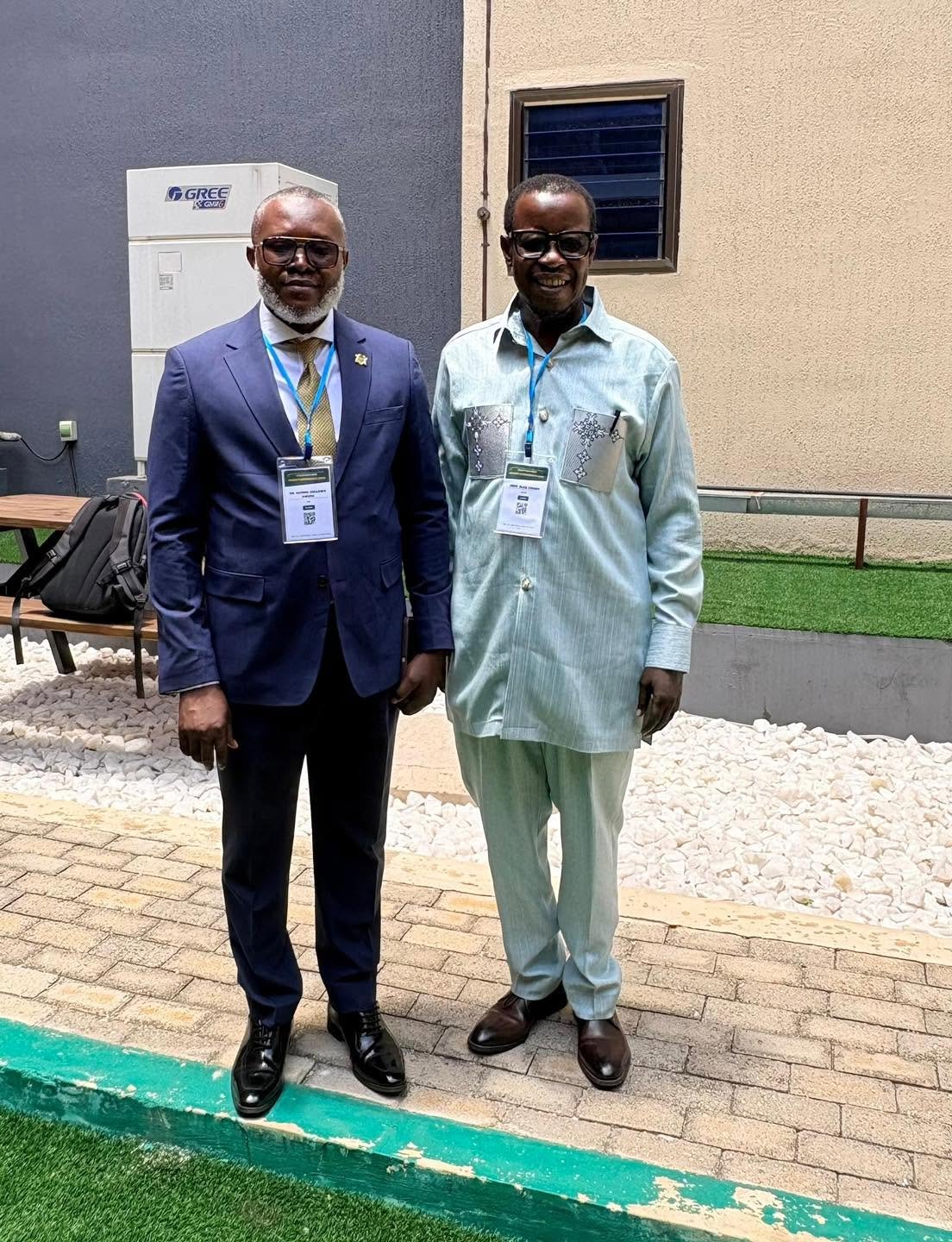
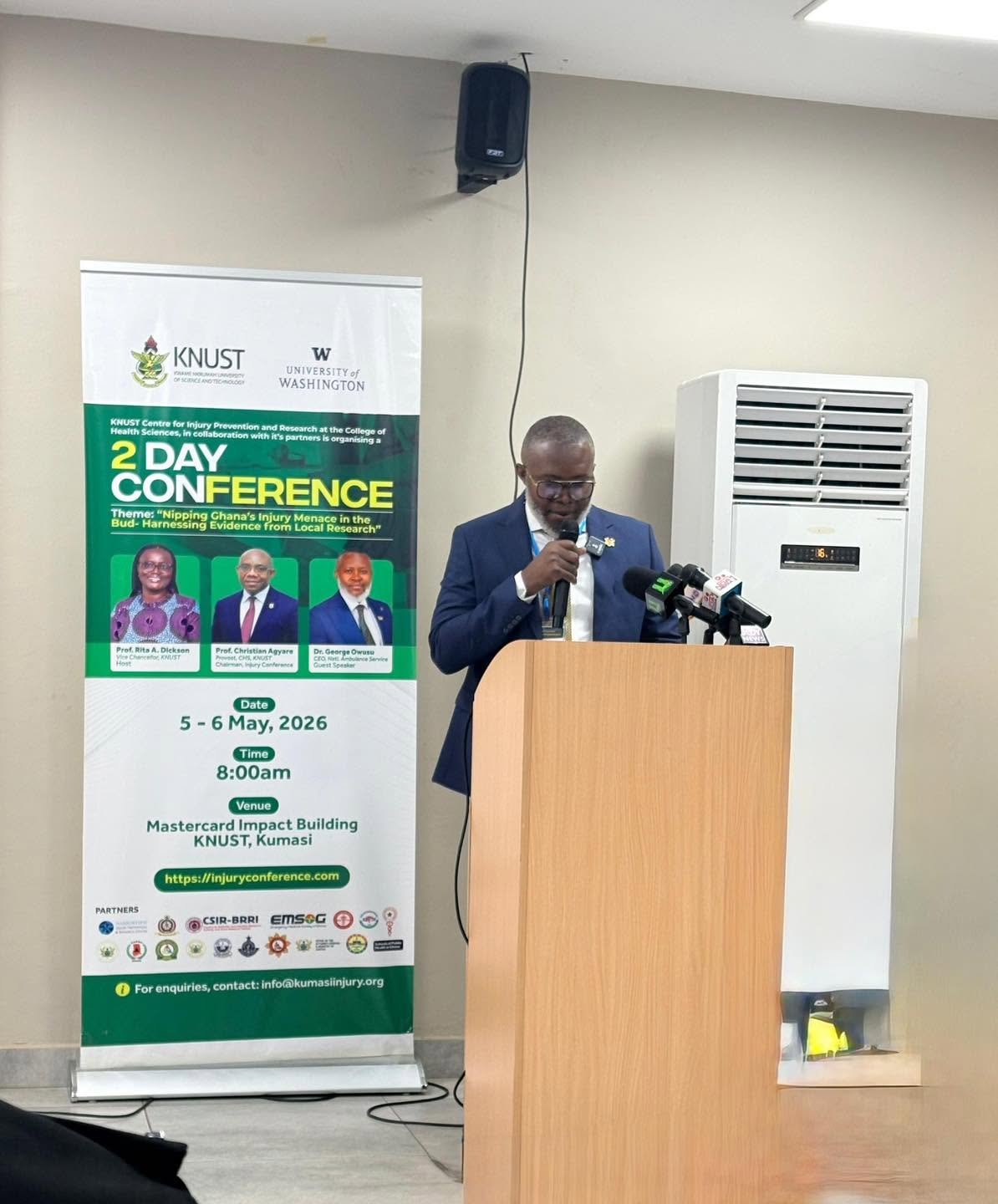
The Chief Executive Officer of the National Ambulance Service (NAS), Dr George Kojo Owusu, has called for urgent, coordinated action to address the growing burden of injuries in Ghana, describing the situation as a “public health emergency” that demands immediate attention.
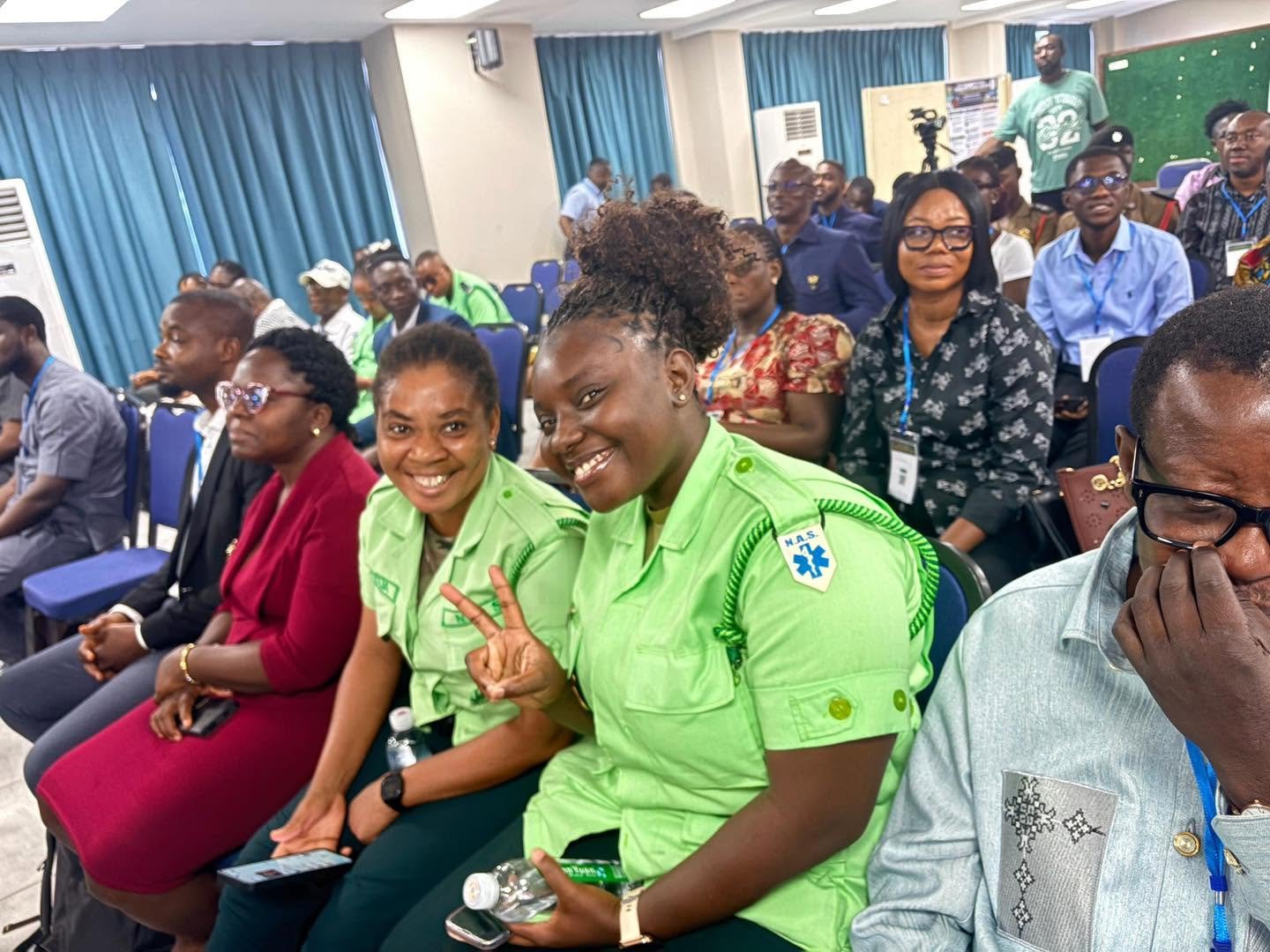
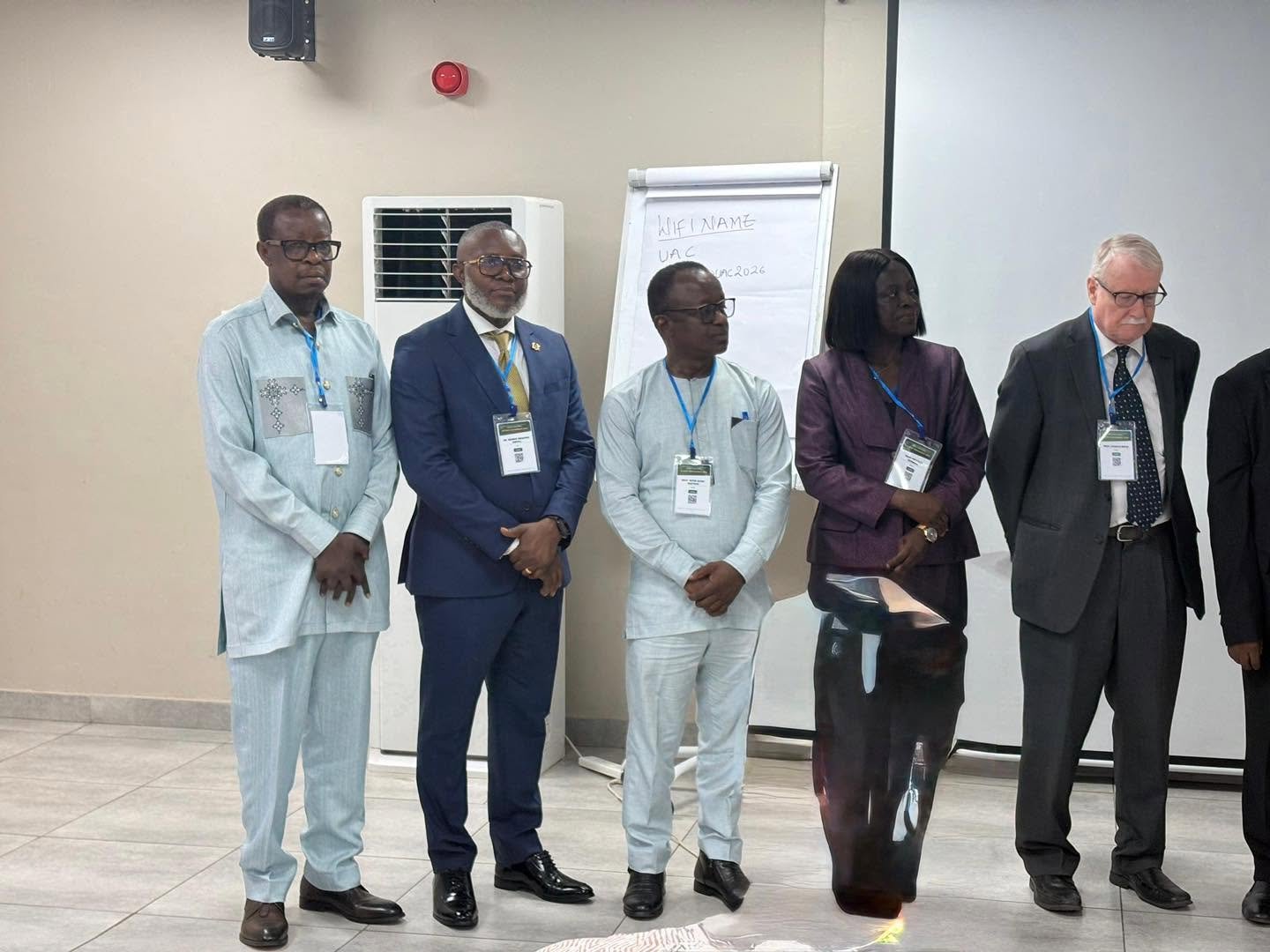
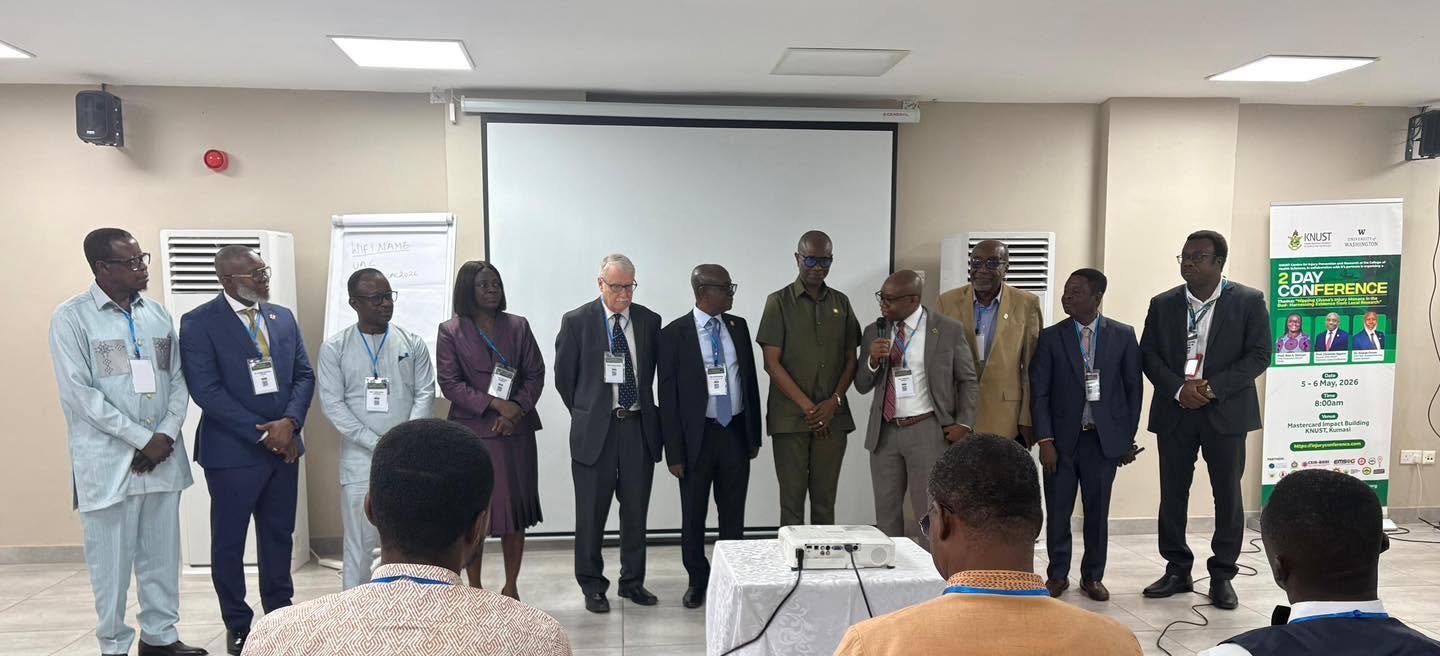
He made this call as the guest speaker at the 2-day National Conference on Injury Prevention being held from May 5–6, 2026, at the MasterCard Impact Building at KNUST in Kumasi. The conference, themed “Nipping Ghana’s Injury Menace in the Bud – Harnessing Evidence from Local Research,” brought together key stakeholders in health, research, and policy, including Professor Christian Agyare, Provost of the College of Health Sciences at KNUST and Chairman of the conference, as well as other distinguished participants.
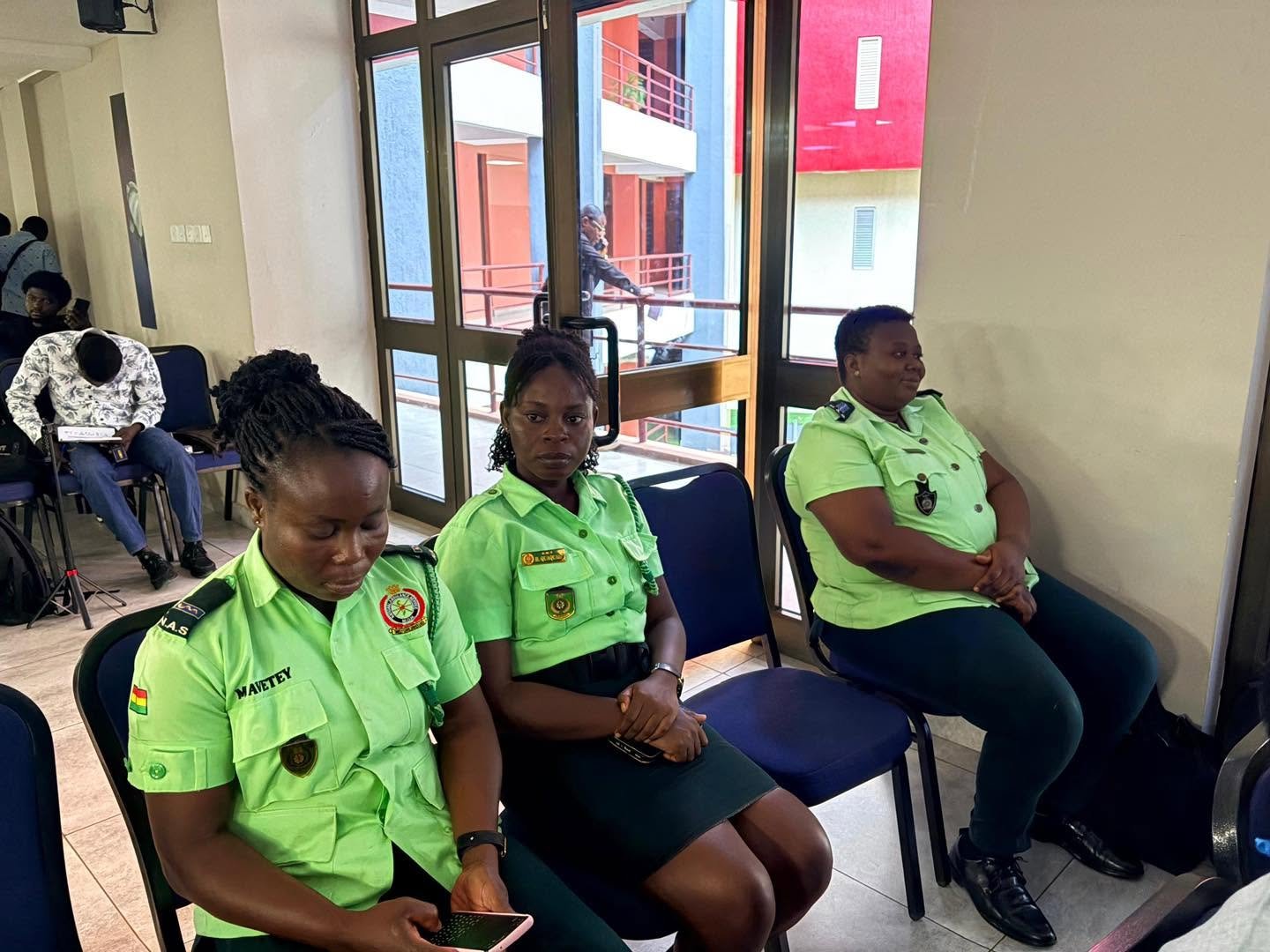
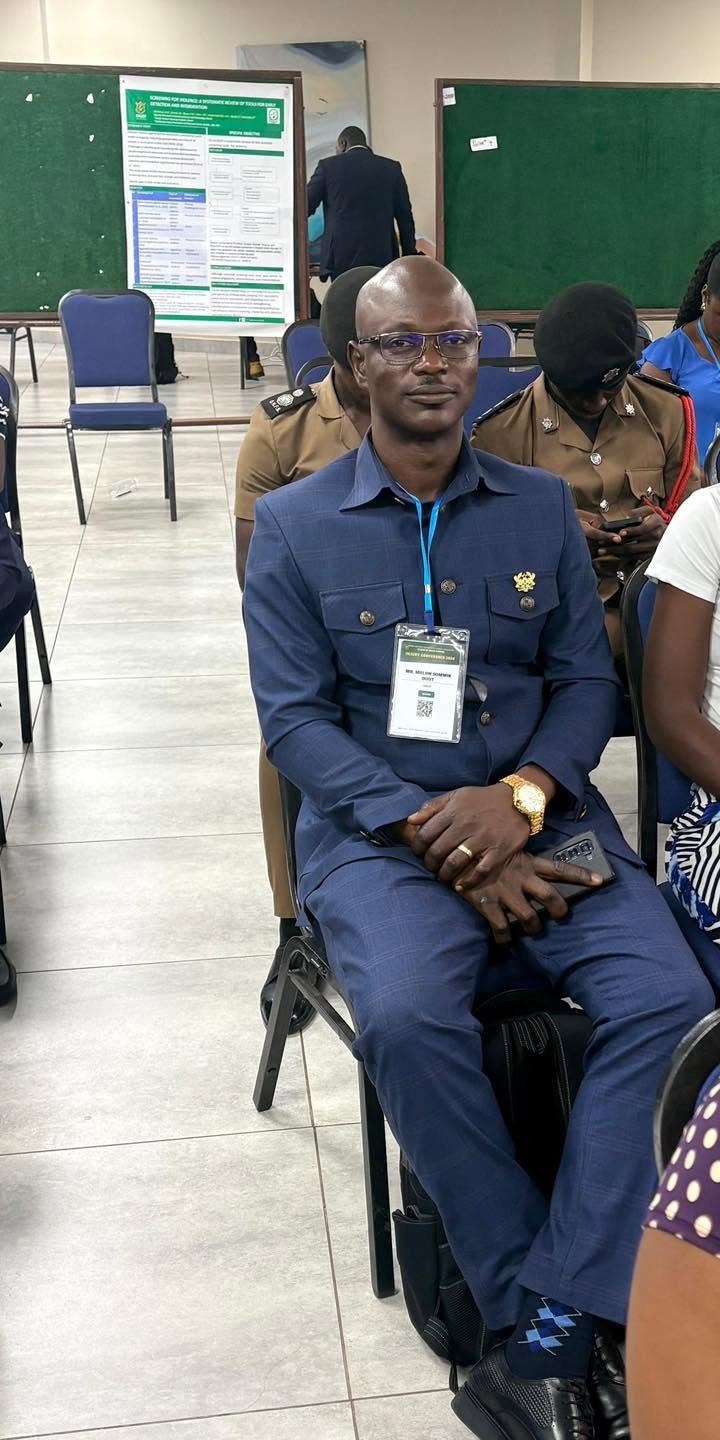
Also present at the conference were the Ashanti Regional Administrative Manager of NAS, DCAEMT Sommik Duut Miilon, together with a number of Emergency Medical Technicians from the region.
“Injury in Ghana is not just a problem , it is a public health emergency we have been too slow to confront,” Dr Owusu stated.
Citing recent statistics, he revealed that Ghana recorded over 14,000 road crashes in 2023, resulting in more than 2,200 deaths and over 15,000 injuries. He further noted that more than 60% of these fatalities involve people under the age of 35, describing the trend as a major threat to the nation’s workforce and future development.
The CEO also highlighted the economic impact of injuries, indicating that they consume more than 8% of Ghana’s Gross Domestic Product (GDP). He added that beyond road crashes, other preventable causes such as drowning account for an estimated 1,400 deaths annually.
“These are not statistics, they are lives, families, and communities affected,” he emphasized.
Touching on the role of the National Ambulance Service, Dr Owusu recounted the significant progress made since its establishment in 2004. From an almost non-existent prehospital care system, the service has expanded to include 297 ambulance stations, 356 ambulances, and over 3,400 trained Emergency Medical Technicians across the country.
“We are now one of the most developed prehospital care systems on the African continent,” he noted, while acknowledging persistent gaps in rural access and emergency response times.
He stressed that timely emergency response remains critical, stating, “Every minute of delay translates directly into death or long-term disability.”
Dr Owusu further underscored the importance of locally generated research in shaping effective interventions, arguing that solutions must be tailored to Ghana’s unique context.
“Local research is essential because context matters in public health. What works elsewhere may not work here,” he said.
He also made a strong commitment on behalf of the Service to deepen its role in research and data use. “Institutions like the National Ambulance Service must not be passive consumers of evidence, we must be active co-producers of it,” he stated. “I am making a public commitment that NAS will strengthen its collaboration with academic institutions, including KNUST, to conduct and utilise injury surveillance data in our planning and operations.”
He urged stronger collaboration between researchers, policymakers, and institutions, warning that failure to translate evidence into action continues to cost lives.
“The gap between evidence and action is where people die,” he cautioned.
In his closing remarks, Dr Owusu called for sustained commitment beyond the conference.
“Let this not end with applause, but with action. Ghana’s injured do not need our sympathy , they need our action,” he concluded.