← Back to Newsroom
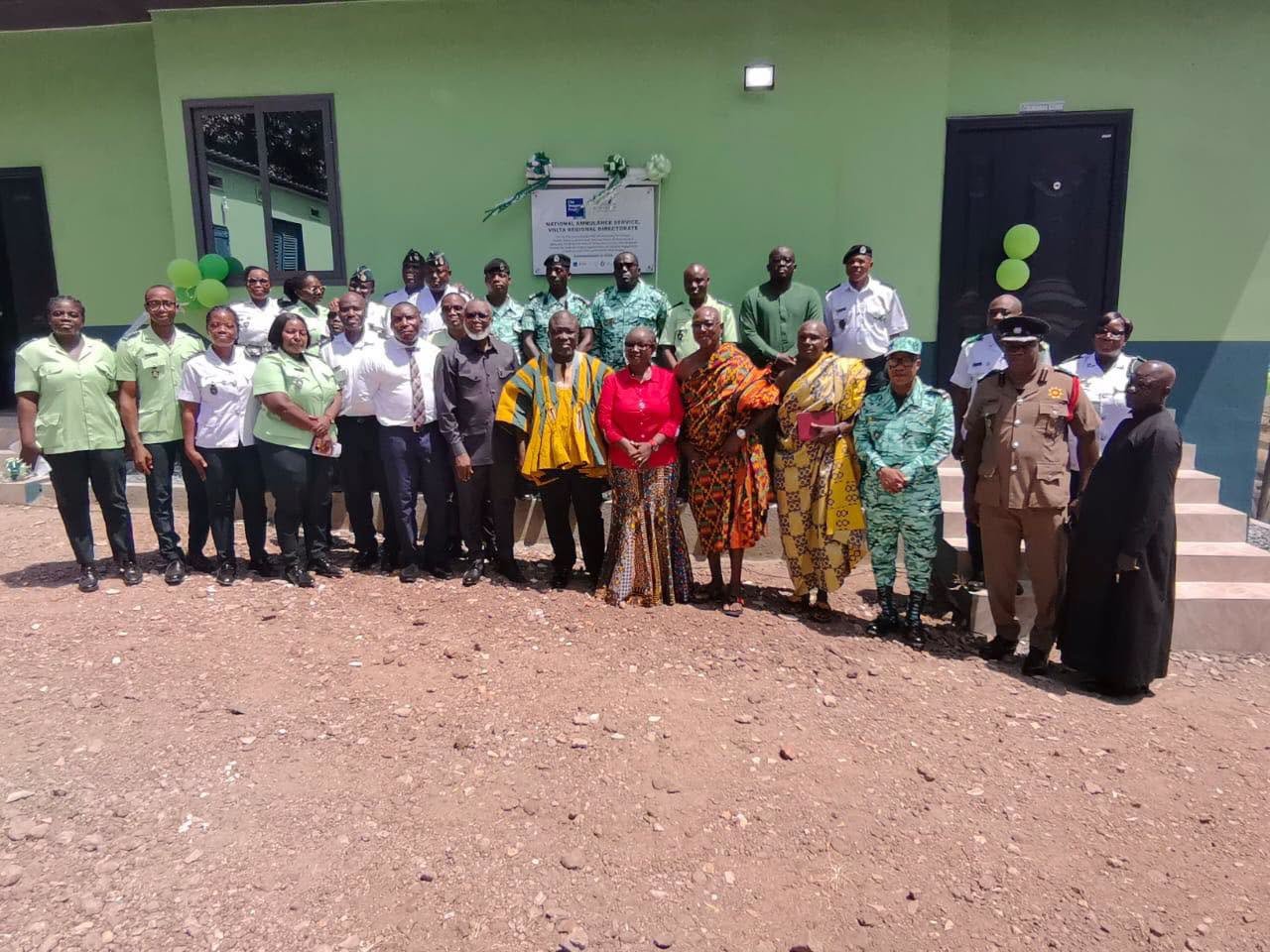
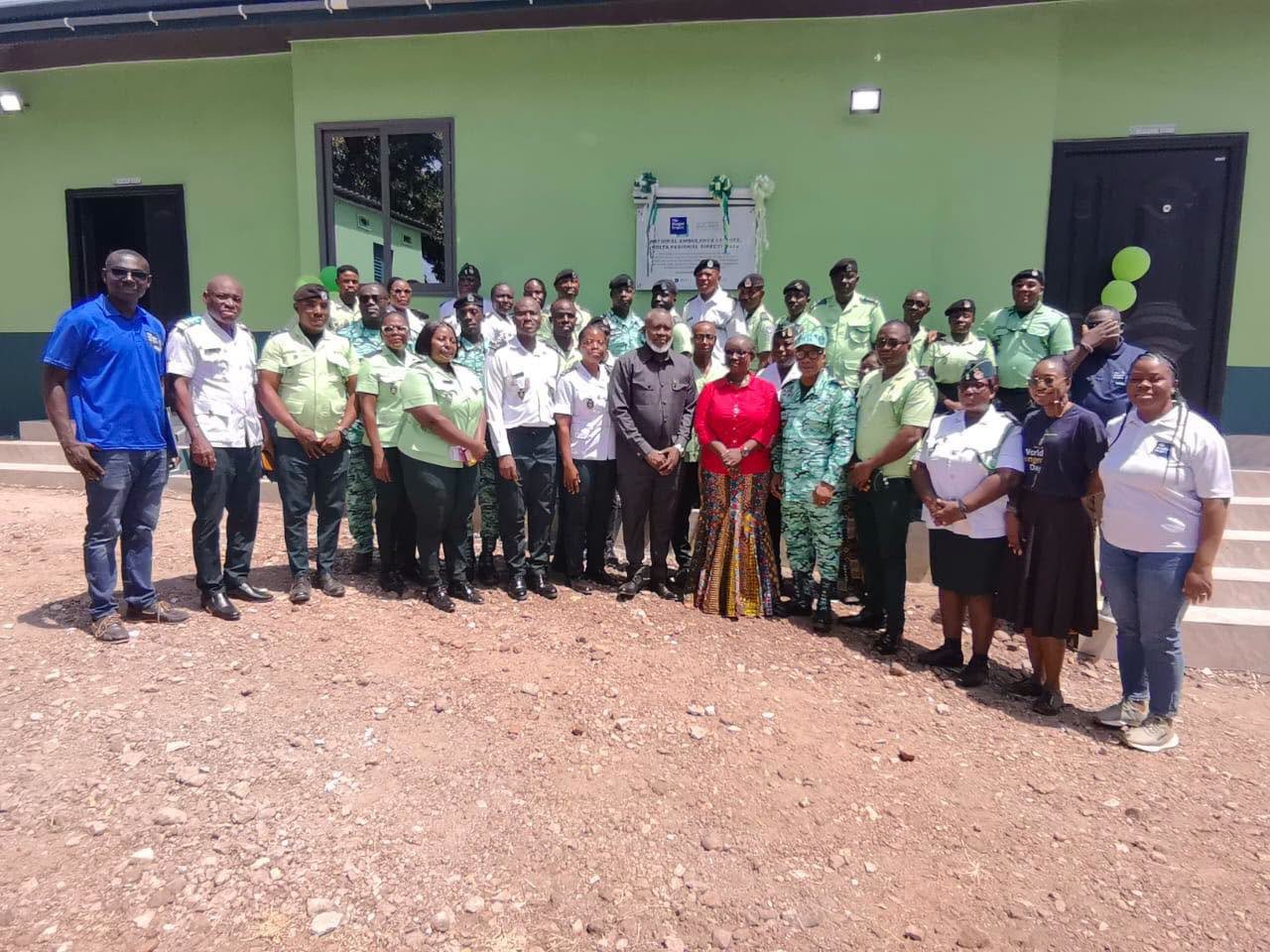
The National Ambulance Service (NAS), in partnership with The Hunger Project-Ghana, has officially handed over and declared operational a newly refurbished Regional Administrative Office and Emergency Dispatch Centre in Ho, marking a significant milestone in efforts to strengthen emergency medical response and improve access to lifesaving care in the Volta Region.
The facility, supported by The Hunger Project-Ghana under its Health of People Everywhere through Maternal and Child Health (HOPE-MCH) project, is expected to enhance ambulance coordination, strengthen maternal and child emergency care, and improve the working environment for personnel responsible for delivering pre-hospital emergency medical services across the region.
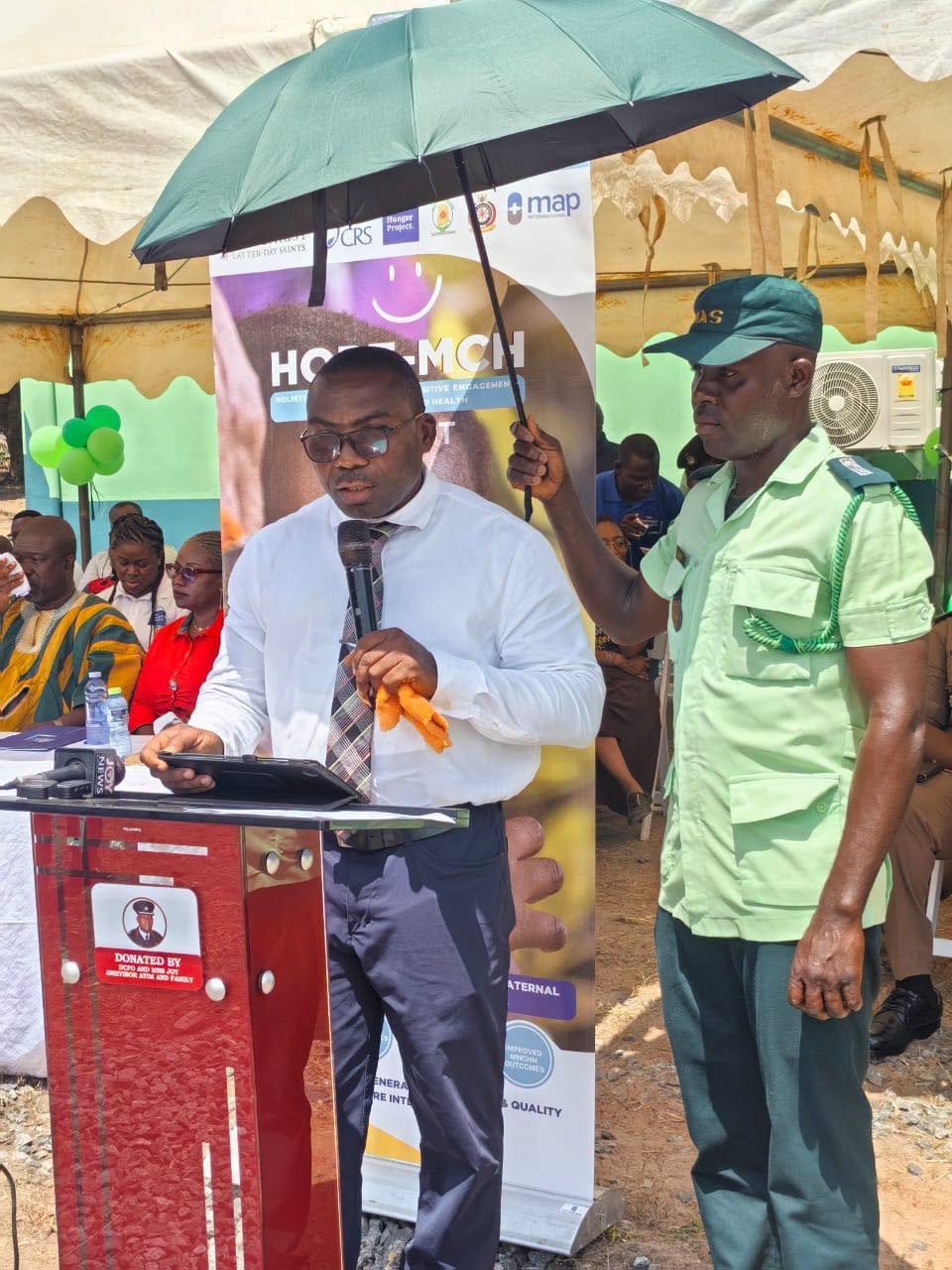
Speaking at the ceremony, the Chief Executive Officer of NAS, Dr. (Med) George Kojo Owusu, expressed profound appreciation to The Hunger Project-Ghana and all partners for their commitment to strengthening emergency healthcare delivery. He described the Emergency Dispatch Centre as a critical lifeline connecting people in distress to urgent medical assistance.
Dr. Owusu noted that the upgraded facility would improve operational coordination while providing a more dignified and professional working environment for regional administrative and operational staff. He urged Emergency Medical Technicians (EMTs) in the region to maintain the facility with discipline, uphold the highest standards of professionalism and compassion, and ensure its effective utilisation in the service of the nation.
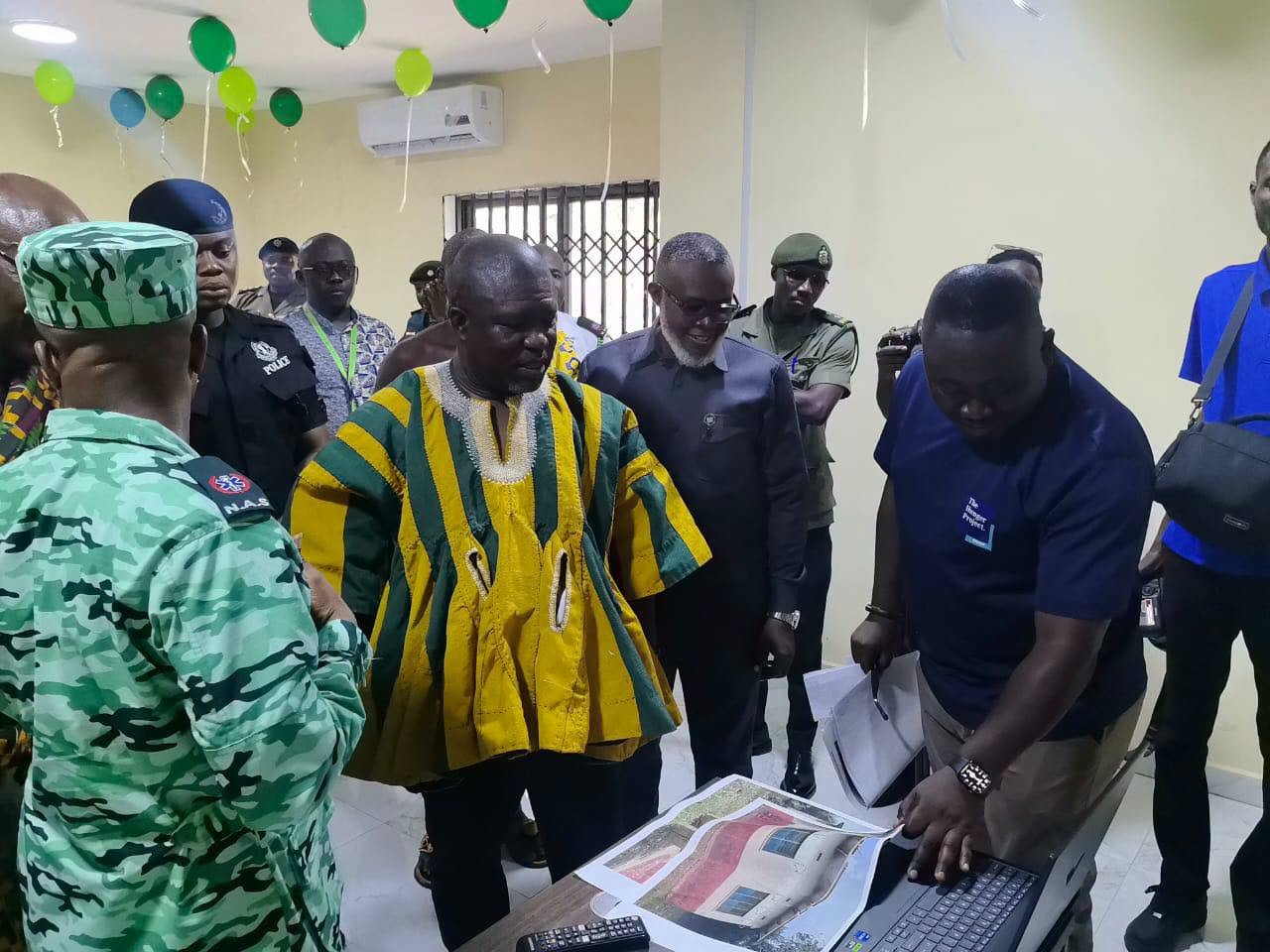
The refurbishment has introduced digital monitoring and communication equipment to enable personnel to track ambulances across the region, replacing the manual tracking system previously used. The project also includes structural improvements, upgraded supporting facilities, and furnished staff accommodation to support round-the-clock operations.
In a statement read by the Volta Regional Minister, Hon. James Gunu, he emphasised that effective emergency medical care is a shared responsibility requiring cooperation among the Ambulance Service, motorists, pedestrians, and the wider public. He called for greater road discipline, particularly the need for road users to give way to ambulances responding to emergencies or transporting patients. He also raised concerns about unauthorised speed ramps, which can impede timely emergency response, and indicated that measures were being considered to address the challenge.
For her part, the Country Leader of The Hunger Project-Ghana, Mrs. Agatha Quayson, underscored the importance of timely emergency medical intervention, particularly for pregnant women and children. She highlighted the dangers of delays in accessing appropriate healthcare facilities and stressed the importance of effective communication, coordination, referral arrangements, and adequately equipped health facilities.
She explained that the upgraded Emergency Dispatch Centre would help bring these critical elements together through a coordinated, 24-hour emergency response system, strengthening the region’s capacity to respond to medical emergencies.
Dr. Owusu also highlighted key national interventions aimed at improving emergency healthcare delivery, including the Integrated Bed Management System, which seeks to improve visibility and coordination of available hospital beds; the Community Medical First Responders (CMFR) programme, which equips trained community members with lifesaving skills for early intervention; and Operation Restore Fleet, which continues to focus on repairing grounded ambulances and restoring them to active service.
He further referenced the Government’s plan to procure 100 additional ambulances in 2027 as part of broader efforts to strengthen the country’s emergency response capacity.
The commissioning of the upgraded Volta Regional Office and Emergency Dispatch Centre reinforces NAS’s commitment to operational excellence, stronger partnerships, and improved access to timely emergency medical care.