AHAFO REGIONAL ADMINISTRATION EMBARKS ON MONITORING AND STAKEHOLDER ENGAGEMENT VISIT TO HEALTH FACILITIES
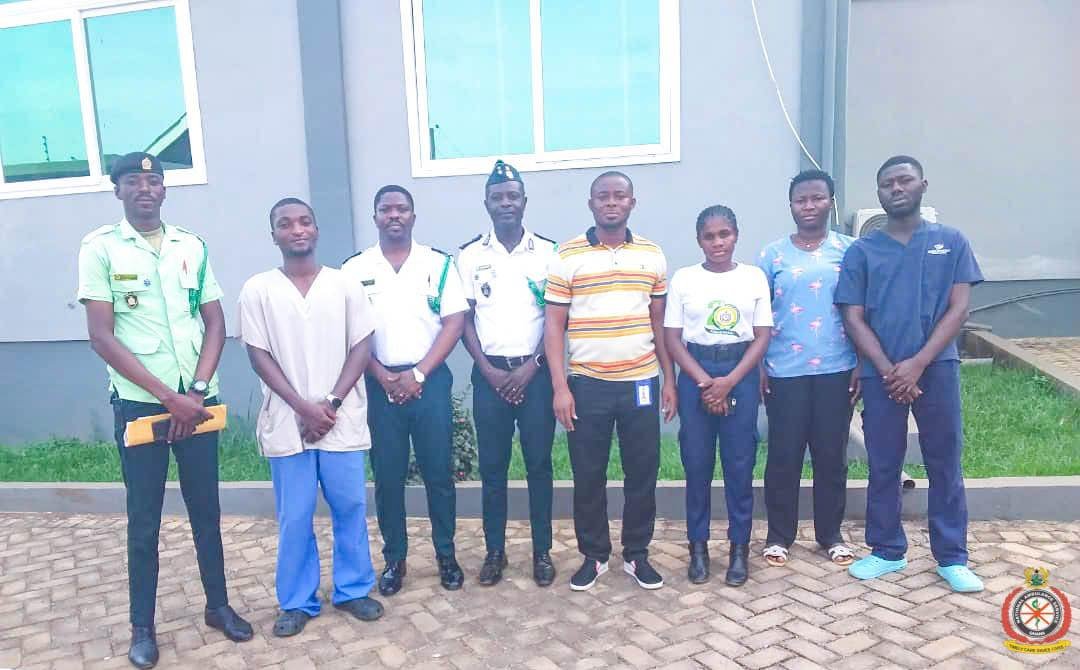
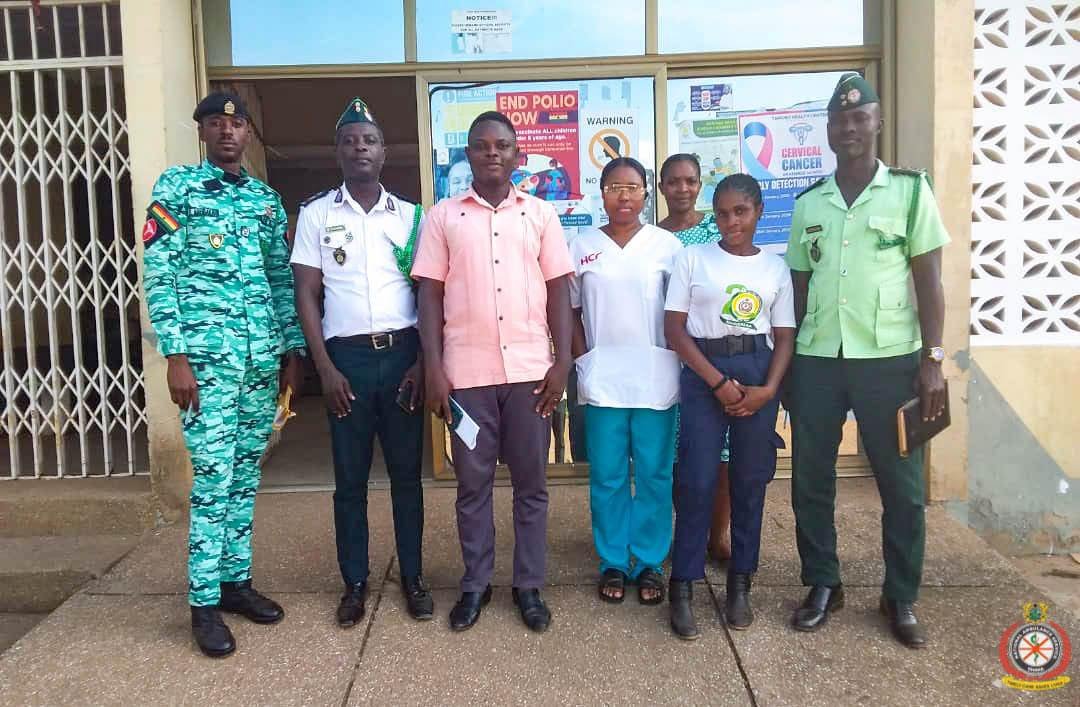
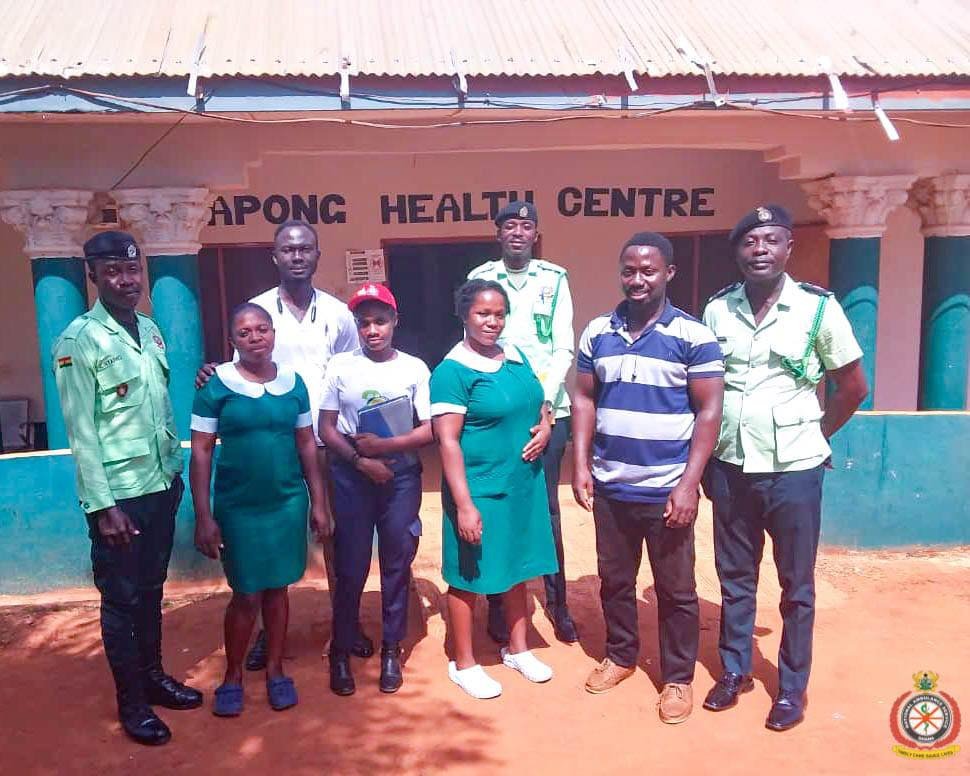
The National Ambulance Service (NAS) Ahafo Regional Administration, led by DCHT Prince Achena, has undertaken a comprehensive monitoring and stakeholder engagement visit across health facilities within the Ahafo Region, aimed at strengthening collaboration and improving emergency medical response systems.
The five-day exercise, led by the Regional Administrator together with station managers and regional staff, commenced on 9th February 2026 and ended on 13th February 2026. The team toured all six districts within the region, visiting various healthcare facilities to assess ambulance service utilization and referral coordination.
Facilities visited included:
• CHPS Compounds
• Private and Public Clinics
• Health Centres
• Polyclinics
• District and Regional Hospitals
The visit sought to strengthen partnerships between NAS and healthcare providers, evaluate access to ambulance services, identify operational challenges, and enhance emergency referral systems within the region.
During engagements with facility heads and health workers, many stakeholders commended NAS for its continuous support in emergency response delivery across the region. However, some challenges were identified, including delays in ambulance response during peak periods, limited communication networks in remote communities, and inadequate awareness of emergency ambulance request procedures in certain facilities.
The Regional Administrator and the team used the opportunity to educate health facility managers and staff on proper ambulance request protocols, emergency preparedness, and improved coordination during patient referrals. Health workers also shared practical recommendations aimed at improving response time and overall service efficiency.
The monitoring exercise proved highly impactful, strengthening institutional relationships while providing firsthand insight into operational gaps requiring attention.
As part of efforts to enhance service delivery, the following recommendations were made:
• Improvement of communication systems, particularly in rural health facilities
• Periodic training on emergency referral and ambulance request procedures
• Increased public and staff awareness on accessing ambulance services
• Continued routine monitoring and stakeholder engagement visits
• Identification of strategic locations for the establishment of new ambulance stations to reduce response time
The exercise reaffirmed the National Ambulance Service’s commitment to delivering prompt, efficient, and reliable pre-hospital emergency care to residents of the Ahafo Region.